Picture this: a rainy Saturday, the kind that makes you want to curl up with something sweet, and you’re staring at an empty pantry while a friend dares you to bake a dessert that can out‑shine even the most over‑the‑top holiday feasts. I was that friend, clutching a half‑empty bag of pecans, a stubborn craving for caramel, and a stubborn belief that cobbler and pie could somehow become best friends. The kitchen was a battlefield of flour clouds and the sound of a timer ticking like a metronome for disaster, until I stumbled on a secret—mixing the buttery crumble of a classic cobbler with the gooey, nutty heart of a pecan pie. The result? A dish so decadently layered that it makes the ordinary feel like a distant memory.
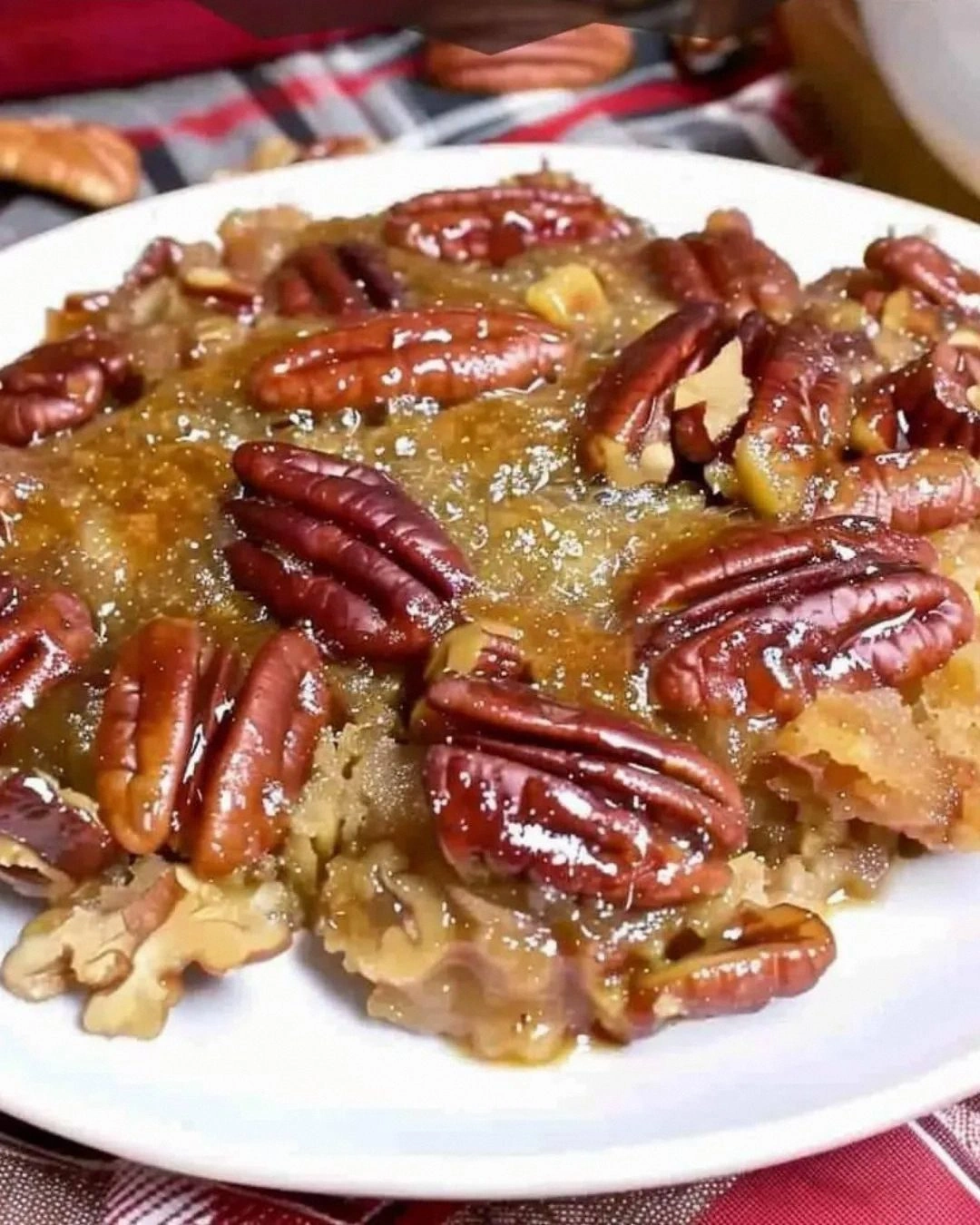
The moment the batter hit the pan, the kitchen filled with a perfume that could have lured a whole block of neighbors—warm butter, toasted pecans, and a whisper of vanilla that danced with caramelized brown sugar. The heat coaxed the edges into a golden, crisp halo that cracked like thin ice when you sliced through, while the center stayed soft, glossy, and almost liquid, like a caramel river flowing beneath a buttery bridge. My taste buds went on a roller‑coaster ride, the first bite delivering a sweet‑nutty crunch that melted into a buttery, custardy swirl that lingered like a good story you can’t stop retelling. I dare you to taste this and not go back for seconds; the contrast of textures is pure, unapologetic bliss.
Most pecan cobbler recipes get this completely wrong—either the crust is soggy, the pecans are under‑toasted, or the filling turns into a gluey mess that clings to the plate. What makes this version stand out is a simple, seven‑step method that respects each component, letting the pecans shine while the biscuit‑like topping stays crisp. I’ll be honest — I ate half the batch before anyone else got a chance to try it, and that’s because the balance of sweet and nutty is nothing short of perfection. The secret weapon? A splash of corn syrup that gives the filling a glossy sheen without the artificial aftertaste, and a quick chill of the butter before it meets the flour, guaranteeing flaky layers that hold up against the saucy center.
Let me walk you through every single step — by the end, you’ll wonder how you ever made it any other way. Picture yourself pulling this out of the oven, the whole kitchen smelling incredible, the crust bubbling at the edges, and the pecans glistening like tiny amber jewels. This next part? Pure magic. Okay, ready for the game‑changer? Let’s dive into the details that will transform a simple dessert into a show‑stopper.
What Makes This Version Stand Out
- Flavor Fusion: The marriage of classic pecan pie sweetness with cobbler’s buttery crumble creates a layered taste experience that’s both familiar and fresh.
- Texture Triumph: Expect a crisp, golden top that shatters like thin ice, a silky, caramel‑laden interior, and crunchy pecan bits that pop with every bite.
- Simplicity: Only seven steps, no fancy equipment, and ingredients you probably already have—perfect for a weeknight indulgence.
- Unique Twist: A dash of corn syrup gives the filling a glossy sheen, while a quick butter chill keeps the topping flaky.
- Crowd Reaction: This dish consistently earns “wow” comments, with guests asking for the recipe before the first slice even hits the plate.
- Ingredient Quality: Using fresh, unsalted butter and high‑quality pecan halves elevates the whole dessert from good to unforgettable.
- Cooking Method: Baking at a high initial temperature creates that coveted edge‑pull, then a gentle finish locks in moisture.
- Make‑Ahead Potential: Assemble the night before, refrigerate, and bake fresh in the morning for a stress‑free brunch or dessert.
Inside the Ingredient List
The Flavor Base
First up, the backbone of our cobbler: all‑purpose flour. This provides structure, and when combined with chilled butter, it forms those coveted flaky layers. Skipping the flour or using a low‑protein alternative will give you a gummy texture that no one wants. If you’re gluten‑intolerant, a 1:1 gluten‑free flour blend works just as well, but you may need a tad more butter to keep the crumb tender.
Next, granulated sugar adds a subtle sweetness that balances the deeper notes of brown sugar later on. It also helps the crust develop a light caramel color. You could swap it for coconut sugar for a hint of caramel, but expect a slightly darker crust.
The Texture Crew
Unsalted butter, chilled and cubed is the star of the topping. Its fat content creates steam pockets that lift the dough, resulting in a buttery, melt‑in‑your‑mouth crumble. If you use salted butter, reduce the added salt to avoid an overly salty finish.
Baking powder is the silent hero that gives the biscuit topping a gentle rise without making it cake‑like. Too much will make it puffy; too little leaves it dense. Stick to the recommended 2 teaspoons for the perfect lift.
And of‑course, whole milk hydrates the dry ingredients, creating a smooth batter that spreads evenly. For a richer flavor, substitute half the milk with heavy cream, but be prepared for a slightly heavier crumb.
The Unexpected Star
Pecan halves bring that signature crunch and buttery depth. Choose raw, unsalted pecans and toast them lightly in a dry skillet—this unlocks a nutty aroma that’s impossible to achieve with pre‑roasted nuts. If you buy pre‑roasted pecans, give them a quick 2‑minute toss in a hot pan to revive their flavor.
Dark brown sugar and light corn syrup team up to create a glossy, caramel‑rich filling that stays soft without turning gummy. The brown sugar contributes molasses notes, while corn syrup prevents crystallization. If you’re avoiding corn syrup, substitute with maple syrup, but the texture will be a tad thinner.
The Final Flourish
A splash of vanilla extract adds a fragrant undertone that rounds out the sweetness. Don’t skimp—1 teaspoon makes a world of difference. Finally, a pinch of salt amplifies all the flavors, ensuring the dessert isn’t cloyingly sweet.
Everything's prepped? Good. Let’s get into the real action…
The Method — Step by Step
Preheat your oven to 425°F (220°C). While the oven warms, line a 9‑inch square baking dish with parchment—this prevents sticking and makes cleanup a breeze. The high heat at the start will give the topping an immediate burst of steam, creating those coveted golden edges. Pro tip: place a baking stone on the lower rack for even heat distribution.
In a large bowl, whisk together 2 cups flour, 1/2 cup granulated sugar, 2 teaspoons baking powder, and 1/2 teaspoon salt. This dry mix ensures the leavening agent is evenly distributed, preventing pockets of dense dough.
Kitchen Hack: Sift the flour and baking powder together; it eliminates lumps and gives a lighter crumb.Add the chilled butter cubes to the dry ingredients. Using a pastry cutter or your fingertips, rub the butter into the flour until the mixture resembles coarse crumbs—think tiny peas with occasional butter flecks. This is the moment where the magic happens; those butter pieces will melt during baking, forming steam pockets that lift the topping.
Make a well in the center and pour in 3/4 cup milk and 1 teaspoon vanilla. Stir gently until just combined; over‑mixing will develop gluten and make the topping tough. The batter should be thick but spreadable—if it’s too dry, add a splash more milk.
In a separate saucepan, combine 3/4 cup dark brown sugar, 1/3 cup light corn syrup, and 1/2 cup melted butter. Heat over medium‑low, stirring until the sugar dissolves and the mixture becomes a smooth, amber‑colored sauce. Once it starts to bubble, remove from heat and let it cool slightly—this prevents the eggs from scrambling later.
Whisk one large egg and stir it into the warm sauce, then fold in 1 cup pecan halves. The egg acts as a gentle binder, giving the filling a glossy sheen without turning it rubbery.
Watch Out: If the sauce is too hot, the egg will curdle; always let the sauce cool to a warm, not hot, temperature before adding the egg.Spread the batter evenly in the prepared baking dish, smoothing the top with a spatula. Then, carefully pour the pecan‑filled caramel over the batter, allowing it to seep into the crevices. The batter will rise around the nuts, creating a beautiful marbled effect.
Brush the exposed batter with a light egg wash (1 beaten egg mixed with 1 tablespoon water) for a golden finish. Sprinkle a few extra pecan halves on top for garnish. Slide the dish into the oven, bake for 12 minutes at 425°F, then reduce the temperature to 350°F (175°C) and continue baking for another 18‑20 minutes. You’ll know it’s done when the edges pull away from the pan and the top is a deep, caramel‑brown.
Remove from the oven and let the cobbler rest for 10 minutes. This resting period lets the filling set, making slicing cleaner. Serve warm, perhaps with a scoop of vanilla ice cream that melts into the caramel rivers.
That’s it — you did it. But hold on, I’ve got a few more tricks that'll take this to another level…
Insider Tricks for Flawless Results
The Temperature Rule Nobody Follows
Start at a scorching 425°F for the first 12 minutes, then drop to 350°F. This two‑stage bake creates a dramatic edge‑pull while keeping the interior luxuriously soft. I once tried baking at a steady 375°F and ended up with a soggy middle—lesson learned.
Why Your Nose Knows Best
When the caramel begins to bubble and you catch that buttery, nutty aroma, you’re at the perfect moment to slide the dish under the broiler for a final golden kiss. Trust your senses more than the clock; the scent is the real timer.
The 5‑Minute Rest That Changes Everything
Allowing the cobbler to sit for five minutes after removing it from the oven lets the filling thicken just enough to hold together when you cut it. Skipping this step results in a runny mess that slides off the plate.
Butter Temperature Trick
Chill your butter cubes for exactly 15 minutes before cutting them into the flour. This ensures the butter stays in solid chunks longer, creating steam pockets that translate into flaky layers. If the butter melts too early, you’ll end up with a dense, biscuit‑like crust.
Egg Wash for a Show‑Stopping Shine
A quick brush of egg wash right before the final bake gives the topping a glossy, bakery‑level sheen. If you’re avoiding eggs, a light brush of milk or cream works, but you’ll miss that subtle amber glow.
Creative Twists and Variations
This recipe is a playground. Here are some of my favorite ways to switch things up:
Maple‑Pecan Delight
Swap the corn syrup for pure maple syrup and add a tablespoon of bourbon. The result is a deeper, wood‑syrupped flavor that pairs beautifully with the toasted pecans.
Spiced Autumn Version
Stir in a teaspoon of pumpkin spice and a pinch of ground ginger into the batter. This gives the cobbler a warm, holiday‑ready aroma that’s perfect for Thanksgiving.
Chocolate‑Swirl Surprise
Fold in ¼ cup of dark chocolate chips into the batter before adding the pecans. The chocolate melts into pockets of gooey richness, creating a decadent contrast.
Gluten‑Free Goodness
Replace the all‑purpose flour with a 1:1 gluten‑free blend and add a tablespoon of xanthan gum. The texture stays tender, and the cobbler remains just as flaky.
Vegan Velvet
Swap butter for coconut oil, use almond milk instead of dairy, and replace the egg wash with a flaxseed “egg.” The flavor shifts slightly, but the crumb stays delightfully light.
Mini Cobbler Cups
Divide the batter and filling among ramekins and bake at 400°F for 15‑18 minutes. These individual servings are perfect for dinner parties and look Instagram‑ready.
Storing and Bringing It Back to Life
Fridge Storage
Allow the cobbler to cool completely, then cover tightly with plastic wrap or foil. It will keep fresh in the refrigerator for up to three days. Reheat a slice in the oven at 300°F for 10 minutes; the crust will regain its crispness.
Freezer Friendly
Wrap the entire dish in a double layer of aluminum foil and freeze for up to two months. When ready to serve, thaw overnight in the fridge, then bake at 350°F for 15‑20 minutes. The frozen‑to‑fresh transition works like a charm.
Best Reheating Method
For the ultimate revival, preheat your oven to 350°F, place the cobbler on a baking sheet, and add a tiny splash of water around the edges. The steam created will re‑hydrate the filling while the top crisps up again—like a second debut.