Picture this: I’m standing in my cramped kitchen, the clock ticking, and a sudden craving for something that feels like a vacation in a single bite. I remember the night I tried to recreate a restaurant scallop dish that ended up a soggy disaster, the sauce clinging like a bad ex and the scallops falling apart before I even had a chance to taste them. That moment was a turning point—an epiphany that “I can do better, and I will.” I spent the next two hours scouring cookbooks, watching YouTube demos, and experimenting until I landed on a version that sings.
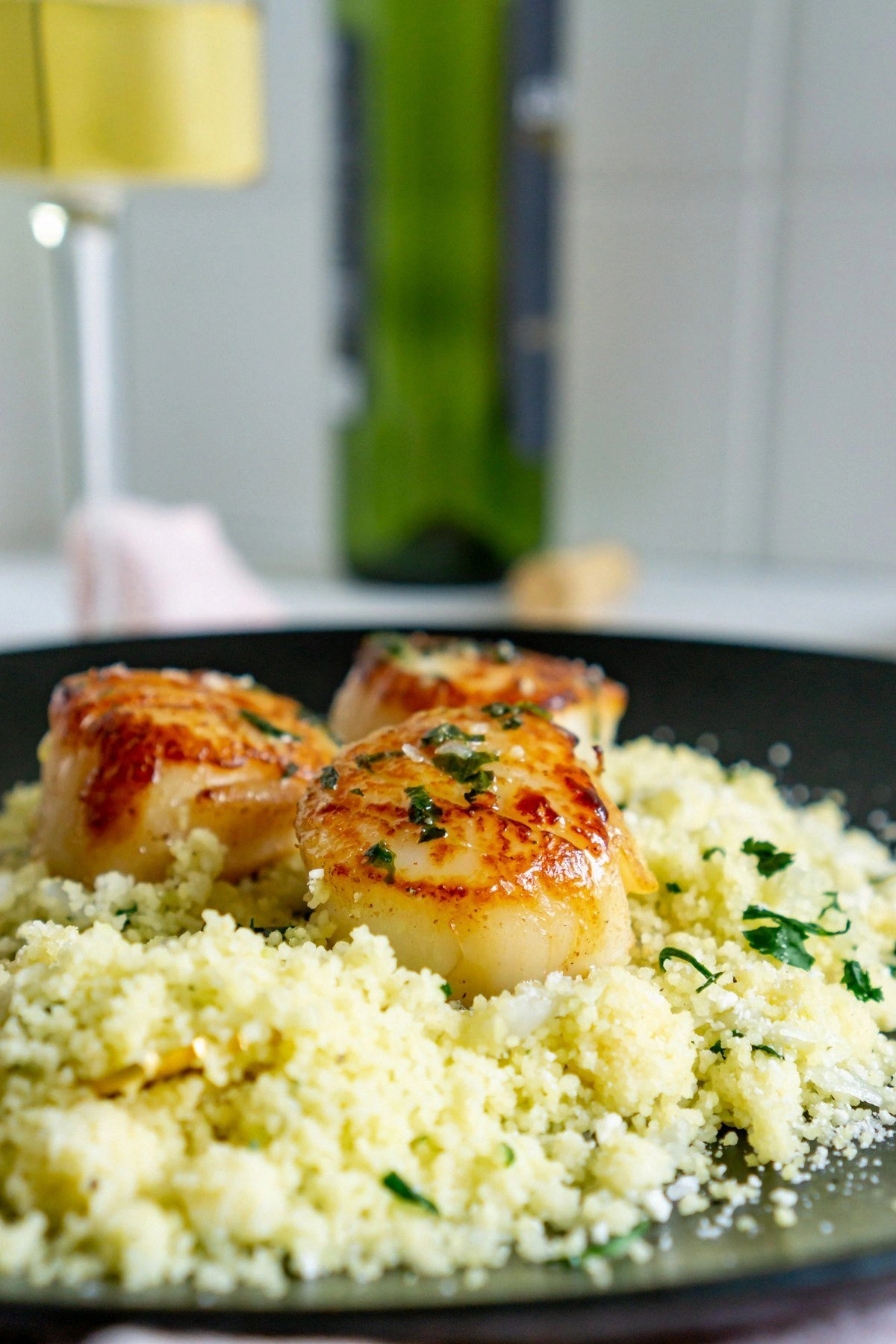
It’s not just about the scallops; it’s the harmony of basil butter and Moroccan couscous that makes this recipe a headline act. The scent of oregano mingles with the sharp bite of white wine, while the couscous swirls with parmesan and parsley like a golden, nutty sea. The first bite delivers a buttery crunch that shatters like thin ice, followed by the tender, sweet scallop that melts in your mouth. Every element feels like a carefully choreographed dance—flavor, texture, aroma, and color all in sync.
What sets this version apart from the countless other scallop recipes I’ve tried is the boldness of the sauce and the depth of the couscous. The basil butter is a silky coating that clings to the scallops, creating a velvety finish that feels luxurious without being heavy. Meanwhile, the couscous is cooked to a fluffy, almost cloud-like consistency, absorbing the oregano and wine for a subtle, aromatic backdrop. I dare you to taste this and not go back for seconds—you’ll find yourself reaching for the bowl again.
Before we dive into the step-by-step, let’s take a moment to appreciate the ingredients that make this dish extraordinary. I’ve spent hours perfecting the balance of flavors, and the result is a dish that feels both sophisticated and approachable. By the end, you’ll wonder how you ever made scallops any other way. So grab your apron, and let’s get cooking.
What Makes This Version Stand Out
- Flavor: The basil butter creates a rich, herbaceous coating that elevates the scallops beyond simple searing. The white wine adds acidity that cuts through the buttery richness, leaving a clean finish.
- Texture: The scallops develop a golden sear while remaining tender inside, while the couscous remains fluffy and airy, providing a satisfying contrast.
- Simplicity: With fewer than twenty ingredients, this dish can be assembled in under twenty minutes, making it ideal for weeknights.
- Uniqueness: The combination of Mediterranean basil butter with North African couscous is a flavor marriage rarely seen in standard scallop recipes.
- Crowd Reaction: Guests often remark that the dish feels like a restaurant experience without the wait, and they ask for the recipe immediately.
- Ingredient Quality: Using fresh, high‑grade scallops and fresh herbs transforms the dish from good to unforgettable.
- Cooking Method: A quick sear followed by a simmer in a butter‑wine sauce keeps the scallops moist and the sauce silky.
- Make‑ahead Potential: The couscous can be cooked a day ahead and reheated with a splash of water, while the scallop sauce stays fresh in the fridge.
Alright, let’s break down exactly what goes into this masterpiece…
Inside the Ingredient List
The Flavor Base
The foundation of this dish starts with a simple yet powerful combination of olive oil, shallot, onion, garlic, oregano, and white wine. Each element contributes a distinct layer: the shallot brings a subtle sweetness, the onion adds depth, the garlic offers aromatic brightness, oregano provides earthy warmth, and white wine injects acidity to balance the butter’s richness. Skipping any of these would leave the sauce feeling flat and one‑dimensional. If you’re on a budget, you can replace dried oregano with fresh oregano, but remember it’s more potent—use half the amount.
Choosing the right olive oil is crucial; a light, fruity oil will let the herbs shine, whereas a robust, peppery oil might overpower the scallops. A medium‑heat oil, such as extra‑virgin olive oil, is ideal for sautéing the aromatics without burning them. If you’re a fan of smoky flavors, a splash of smoked paprika can add a subtle twist without changing the core profile.
The Texture Crew
Scallops are the star, and their texture is everything. Fresh, firm scallops will hold together better during searing, delivering a firm bite that gives way to a silky interior. The recipe calls for U‑10 scallops, which are medium‑sized and perfect for this dish. If you can’t find U‑10, use the closest size available, but keep in mind the cooking time will adjust slightly.
For the couscous, a 1‑cup Moroccan variety is chosen for its delicate texture and ability to absorb liquids without becoming mushy. The couscous is cooked with 1.5 cups of water, ensuring it stays fluffy and airy. Adding a pinch of salt while the couscous cooks helps enhance the grains’ natural flavor, but be careful not to oversalt—taste as you go.
The Unexpected Star
Fresh basil is the unexpected hero that ties the dish together. Its bright, slightly peppery flavor cuts through the richness of the butter and the saltiness of the parmesan. Using fresh basil rather than dried preserves the bright green hue and delivers a punchier aroma. If basil isn’t in season, a handful of fresh mint can substitute, providing a fresh, cool contrast.
The final flourish comes from parmesan cheese, which adds a nutty, umami depth. Grated parmesan is sprinkled over the couscous just before serving, allowing it to melt into the grains. If you’re vegan, nutritional yeast can replicate the cheesy flavor while keeping the dish dairy‑free.
Everything’s prepped? Good. Let’s get into the real action…
The Method — Step by Step
- Prep the couscous. In a medium saucepan, bring 1.5 cups of water to a boil. Once boiling, remove from heat, add 1 cup of Moroccan couscous, stir, cover, and let steam for 5 minutes. After the steam, fluff the grains with a fork to separate them. This ensures each grain stays light and fluffy, preventing clumping.
- Season the scallops. Pat the scallops dry with paper towels, then season both sides with 1 teaspoon salt and 1 teaspoon pepper. Drying the scallops is crucial for a good sear—any moisture will turn the surface into a sad, steamy mess.
- Sear the scallops. Heat 1 tablespoon olive oil in a large skillet over medium‑high heat. When the oil shimmers, add the scallops, spacing them evenly. Let them sear for 2 minutes on one side, then flip. They should develop a golden crust while remaining pink inside. This is the moment of truth; do not move them until the crust forms.
- Make the basil butter sauce. Reduce heat to medium. Add 6 tablespoons unsalted butter, 1/2 tablespoon olive oil, and 1 tablespoon white wine to the skillet. Stir until the butter melts, then add 1/4 cup fresh chopped basil and 1 tablespoon dried oregano. The basil will wilt slightly, releasing its fragrance.
- Finish the scallops. Return the scallops to the skillet, spooning the basil butter over them. Cook for an additional 2 minutes, allowing the scallops to absorb the sauce. The sauce should coat the scallops like velvet, creating a glossy sheen.
- Prepare the couscous. While the scallops finish, stir 1 cup of grated parmesan cheese into the steamed couscous. The cheese melts into the grains, creating a subtle nutty flavor that pairs beautifully with the basil butter.
- Plate and garnish. Spoon a generous portion of couscous onto each plate, then nestle the scallops on top. Sprinkle 2 tablespoons fresh parsley over the dish for a burst of color and freshness. Finish with a drizzle of extra basil butter if desired.
- Serve immediately. The dish is best enjoyed hot, while the butter is still glossy and the couscous remains fluffy. If you’re serving guests, set the table in advance so you can focus on plating with confidence.
That’s it — you did it. But hold on, I’ve got a few more tricks that will take this to another level…
Insider Tricks for Flawless Results
The Temperature Rule Nobody Follows
Many cooks think high heat is always better for searing, but scallops are delicate. Keep the skillet at medium‑high and let the scallops sit untouched for the first 2 minutes; this allows the surface to caramelize without burning. If you’re in a rush, a quick burst of high heat can work, but you’ll lose that perfect crust.
Why Your Nose Knows Best
Smell the sauce as it cooks. When the butter starts to brown slightly and the white wine reduces, that’s the sweet spot. Don’t rely solely on the clock—your nose is a more reliable guide to flavor.
The 5‑Minute Rest That Changes Everything
After searing, let the scallops rest on a warm plate for 5 minutes. This allows the juices to redistribute, keeping the meat moist. A quick rest also lets the basil butter thicken just enough to coat without becoming runny.
Keep the Couscous Fluffy
Don’t overcook the couscous. Once you’ve added the water, cover and let it steam for exactly 5 minutes. Stir it gently with a fork, then set aside. Over‑steaming will result in mushy grains.
Use Fresh Herbs for Vibrance
Fresh basil and parsley add color and brightness. If you can’t find fresh herbs, freeze them in an ice cube tray with a little olive oil; thaw the cubes as needed and use them in the sauce.
Don’t Skip the Parmesan
Adding parmesan to the couscous at the end creates a creamy texture that balances the buttery sauce. If you’re lactose intolerant, try a vegan parmesan alternative to maintain the umami flavor.
Creative Twists and Variations
This recipe is a playground. Here are some of my favorite ways to switch things up:
Smoky Moroccan Twist
Add a teaspoon of smoked paprika to the couscous while it steams. The smokiness pairs beautifully with the oregano and white wine, giving the dish a deeper, earthier profile. It’s perfect for a dinner party that needs a touch of intrigue.
Seafood Medley
Swap half the scallops for shrimp or mussels. The shrimp’s quick cook time and the mussels’ briny flavor complement the scallops, creating a multi‑textured seafood experience that’s still cohesive.
Vegan Basil Butter
Replace the butter with a plant‑based butter or coconut oil, and use nutritional yeast instead of parmesan. The dish remains creamy and flavorful while staying completely dairy‑free.
Herb‑Infused Couscous
Stir in a handful of chopped dill or tarragon into the couscous for a different herbal note. The dill adds a fresh, slightly tangy flavor that pairs well with the basil butter.
Spicy Kick
Incorporate a pinch of crushed red pepper flakes into the sauce. The heat balances the richness and adds a subtle warmth that keeps the dish exciting.
Fresh Citrus Finish
Finish the scallops with a squeeze of fresh lemon juice just before plating. The acidity brightens the dish, cutting through the buttery sauce and leaving a clean, refreshing finish.
Storing and Bringing It Back to Life
Fridge Storage
Store the couscous in an airtight container for up to 3 days. Keep the scallop sauce separate in a small container; the sauce can be reheated gently on the stove or in the microwave.
Freezer Friendly
Freeze the couscous and scallop sauce separately in freezer‑safe bags. Reheat the couscous in the microwave with a splash of water to restore fluffiness. The scallop sauce can be reheated over low heat, stirring constantly.
Best Reheating Method
When reheating, add a tiny splash of water to the couscous or sauce to create steam. This trick prevents the dish from drying out and keeps the flavors vibrant. Reheat on low heat to avoid overcooking the scallops.