Picture this: you’re in the middle of a quiet Sunday, the fridge is a mystery, and the craving for something savory, sweet, and utterly comforting hits you like a warm hug. I was staring at a lone beef sirloin and a couple of onions, and the idea sparked—what if I could turn these humble staples into a sizzling, crowd‑pleasing stir‑fry that feels like a gourmet takeout but is made in my own kitchen? I tried a few variations, a handful of sauces, and a dash of mischief, and the result was a dish that exploded with flavor, texture, and that unmistakable “wow” factor that makes people ask for seconds. I dare you to taste this and not go back for a second serving.
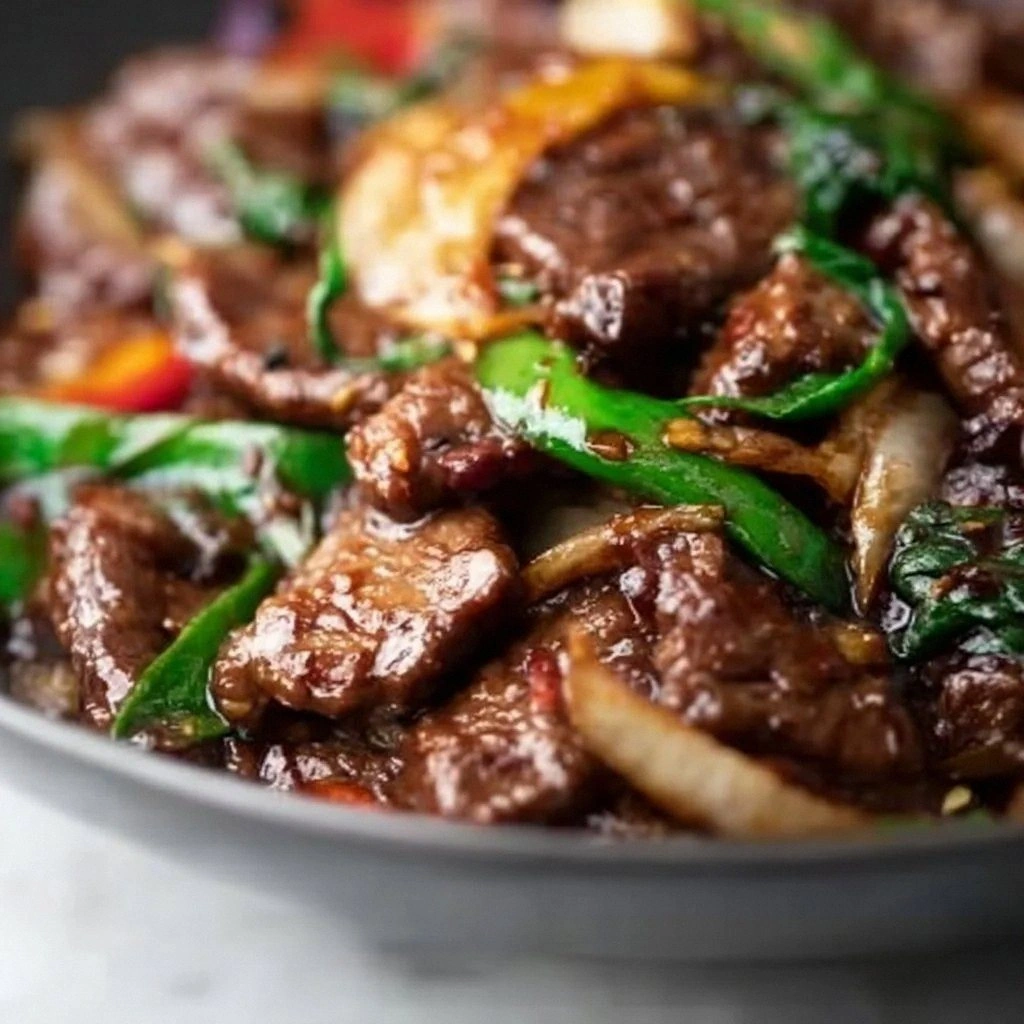
I’ve spent years scouring the internet for the perfect beef and onion combination, and the moment I found this recipe, it felt like a culinary revelation. The aroma that fills the kitchen as the onions caramelize is like a golden sunrise, while the sizzling sound is a rhythmic drumbeat that keeps you hooked. The sweet‑savory glaze coats the beef like velvet, and the onions finish with a crisp edge that shatters like thin ice, giving each bite a satisfying crunch. The contrast of textures and the depth of umami are what set this apart from the ordinary stir‑fries you find on recipe blogs.
What makes this version stand out isn’t just the combination of ingredients—though the soy sauce, oyster sauce, and a hint of cornstarch create a silky, glossy coat that’s impossible to resist. It’s the method, the timing, and the subtle touches that elevate the dish. From the precise moment the beef hits the hot pan to the final splash of sauce, every step is engineered for maximum flavor and texture. If you’ve ever struggled to get a stir‑fry that isn’t soggy or overcooked, you’re not alone—and I’ve got the fix.
This recipe is hands down the best version you’ll ever make at home. The secret lies in the balance of sweet, salty, and umami, the quick sear that locks in juices, and the final glaze that ties everything together. Picture yourself pulling this out of the skillet, the whole kitchen smelling incredible, and the plate looking so good that you’re tempted to plate it like a Michelin‑star dish. Stay with me here—this is worth it.
What Makes This Version Stand Out
- Taste: The combination of soy sauce, oyster sauce, and a splash of honey creates a depth of flavor that’s both sweet and savory. The beef’s natural umami is amplified by the quick sear, while the onions add a caramelized sweetness that cuts through the richness.
- Texture: The beef remains tender and juicy, thanks to the thin slicing and high‑heat cooking. The onions develop a caramelized crust that adds a delightful crunch, and the sauce coats everything like a silky glaze.
- Speed: The entire dish takes under 45 minutes from prep to plate, making it perfect for busy weeknights without sacrificing flavor.
- Simplicity: With only ten ingredients, you can pull this together with minimal prep, and the method is straightforward enough for beginners.
- Ingredient Quality: Using a fresh, high‑quality beef sirloin and fresh onions makes a noticeable difference in flavor. The sauce components are balanced to avoid overpowering the main ingredients.
- Versatility: This base can be adapted with different proteins, vegetables, or sauces to suit dietary preferences or whatever you have on hand.
- Make‑Ahead Potential: The dish can be cooked ahead, refrigerated, or frozen and reheated with minimal loss of quality.
- Crowd Reaction: Friends and family who’ve tried it rave about the caramelized onions and the perfect balance of sweet and salty.
Inside the Ingredient List
The Flavor Base
The heart of this dish lies in the sauce—three tablespoons of soy sauce and two tablespoons of oyster sauce create a robust, umami‑rich foundation. The soy sauce provides saltiness and depth, while the oyster sauce adds a subtle sweetness and a slightly chewy texture. A teaspoon of minced garlic and a teaspoon of minced ginger add bright, aromatic layers that lift the entire dish. If you’re avoiding gluten, swap the soy sauce for tamari; if you’re vegan, use mushroom soy sauce or hoisin sauce as a flavorful alternative.
The Texture Crew
Beef sirloin is the star, thinly sliced to ensure quick cooking and maximum tenderness. The two large onions, sliced into rings, deliver a caramelized sweetness that balances the savory sauce. The cornstarch acts as a thickening agent, turning the liquid into a glossy glaze that clings to each slice of meat and onion. The vegetable oil, preferably peanut or canola, has a high smoke point, allowing you to sear the beef at a high temperature without burning.
The Unexpected Star
While the core ingredients are straightforward, the real twist comes from the way the sauce is introduced. The cornstarch slurry is whisked with a splash of water before adding to the pan, creating a silky coating that instantly transforms the dish. This step, often overlooked, is the secret to achieving that glossy, silky finish that makes the dish feel upscale. A pinch of black pepper adds a subtle heat that cuts through the richness, while a dash of sesame oil (optional) can elevate the aroma.
The Final Flourish
Once the beef and onions are cooked, the sauce is poured in and reduced to a thick glaze. This final flourish locks in all the flavors and gives the dish its signature sheen. The dish is finished with a sprinkle of chopped scallions or a dash of chili flakes for a pop of color and a hint of heat. Serve it over steamed jasmine or brown rice, or for a low‑carb option, try cauliflower rice.
Everything’s prepped? Good. Let’s get into the real action.
The Method — Step by Step
- First, prepare the cornstarch slurry: whisk together one tablespoon of cornstarch with a tablespoon of cold water until smooth. This will later coat the beef and give the sauce that glossy finish. Keep it aside.
- Heat a large wok or skillet over high heat until it shimmers. Add two tablespoons of vegetable oil, swirling to coat the surface. The oil should sizzle immediately—this is the sign you’re ready to sear.
- Add the thinly sliced beef in a single layer, making sure not to overcrowd the pan. Let it sear undisturbed for 30 seconds, then stir until the edges begin to brown. This step locks in juices and builds flavor.
- Add the sliced onions to the pan. The onions should start to soften and turn translucent within a minute. Stir frequently to prevent sticking and to promote even caramelization.
- Stir in the minced garlic and ginger, letting them cook for 30 seconds until fragrant. The aroma will fill the kitchen, and you’ll know you’re on the right track.
- Pour in the soy sauce, oyster sauce, and a splash of water. Bring the mixture to a gentle boil, then reduce to a simmer. The sauce should reduce slightly, thickening as it cooks.
- Now, add the cornstarch slurry, whisking constantly to avoid lumps. The sauce will instantly thicken and coat the beef and onions. This is the moment of truth—watch the sauce transform into a glossy glaze.
- Season with salt, pepper, and a pinch of black pepper. Taste and adjust; the balance of salty, sweet, and umami should feel harmonious.
- If you’re using sesame oil or chili flakes, add them now for an extra layer of aroma and heat.
- Serve immediately over steamed rice, letting the sauce drizzle over the grains. The dish should be hot, fragrant, and packed with flavor.
That’s it — you did it. But hold on, I’ve got a few more tricks that will take this to another level.
Insider Tricks for Flawless Results
The Temperature Rule Nobody Follows
Heat is the secret weapon in any stir‑fry. Always preheat your wok or skillet until it’s smoking hot before adding oil. A hot pan ensures the beef sears instantly, sealing in juices and preventing a soggy outcome. If the pan isn’t hot enough, the beef will release moisture and steam instead of sear.
Why Your Nose Knows Best
The aroma of onions caramelizing is a reliable indicator of progress. When the onions start to emit a sweet, nutty scent, they’re halfway to that perfect caramelization that adds depth. Trust your nose; don’t rush the process or you’ll miss that critical flavor milestone.
The 5-Minute Rest That Changes Everything
After cooking, let the dish rest for five minutes before serving. This allows the flavors to meld and the sauce to settle, creating a more cohesive taste. It also gives the rice time to absorb any remaining sauce, ensuring every bite is delicious.
The Quick Flip
When adding the beef to the pan, flip it only once. Over‑stirring can cause the meat to break apart and lose its tender texture. A single flip ensures even browning and preserves the meat’s integrity.
The Secret of Sweetness
If you prefer a sweeter glaze, add a teaspoon of honey or brown sugar to the sauce. This balances the salty and umami components, giving the dish a rounded flavor profile that’s both comforting and complex.
Creative Twists and Variations
Spicy Sriracha Kick
Add a tablespoon of sriracha to the sauce for a fiery twist that pairs well with the sweet onions. The heat will contrast the mellow flavors and add a punch that’s perfect for those who love a bit of spice.
Citrus Brightness
Finish the dish with a splash of fresh lime juice and a sprinkle of chopped cilantro. The citrus cut through the richness, while the cilantro adds a fresh herbal note that lifts the entire dish.
Mushroom Medley
Replace half of the onions with sliced shiitake mushrooms for an earthy depth. The mushrooms absorb the sauce beautifully and add a meaty texture that complements the beef.
Vegetarian Version
Swap the beef for thinly sliced tofu or tempeh. Marinate the protein in soy sauce, ginger, and garlic before cooking to mimic the beef’s umami profile.
Gluten‑Free Twist
Use tamari instead of soy sauce and ensure the oyster sauce is gluten‑free. This keeps the dish gluten‑free without sacrificing the savory depth.
Low‑Carb Alternative
Serve the stir‑fry over cauliflower rice or shirataki noodles. The dish remains flavorful and satisfies the cravings while keeping carb counts low.
Storing and Bringing It Back to Life
Fridge Storage
Cool the dish to room temperature, then transfer to an airtight container. Store in the refrigerator for up to three days. The sauce will thicken slightly, so add a splash of water or broth before reheating to restore its original consistency.
Freezer Friendly
Pack the cooked stir‑fry in a freezer‑safe container and freeze for up to two months. When ready to eat, thaw overnight in the refrigerator, then reheat in a skillet with a tablespoon of water to keep the sauce from drying out.
Best Reheating Method
Reheat in a skillet over medium heat, adding a small amount of water or broth to loosen the sauce. Stir frequently to prevent sticking, and heat until the dish is steaming hot. This method preserves the sauce’s glossy texture and the beef’s tenderness.