Picture this: I was halfway through a week of bland, store‑bought dinners, feeling the kitchen’s stale hum like a lullaby. I stared at a lone salmon fillet on the counter, its pink flesh glistening under the fluorescent lights, and thought, “Why not make this the star of tonight’s dinner?” That simple spark turned into a full‑blown culinary experiment, and what emerged was a baked salmon that sings with a buttery mayo glaze and a cheesy crust so crisp it practically cracks open with a sigh of satisfaction. If you’ve ever tried a salmon recipe that felt more like a missed opportunity than a triumph, this is the antidote you’ve been waiting for.
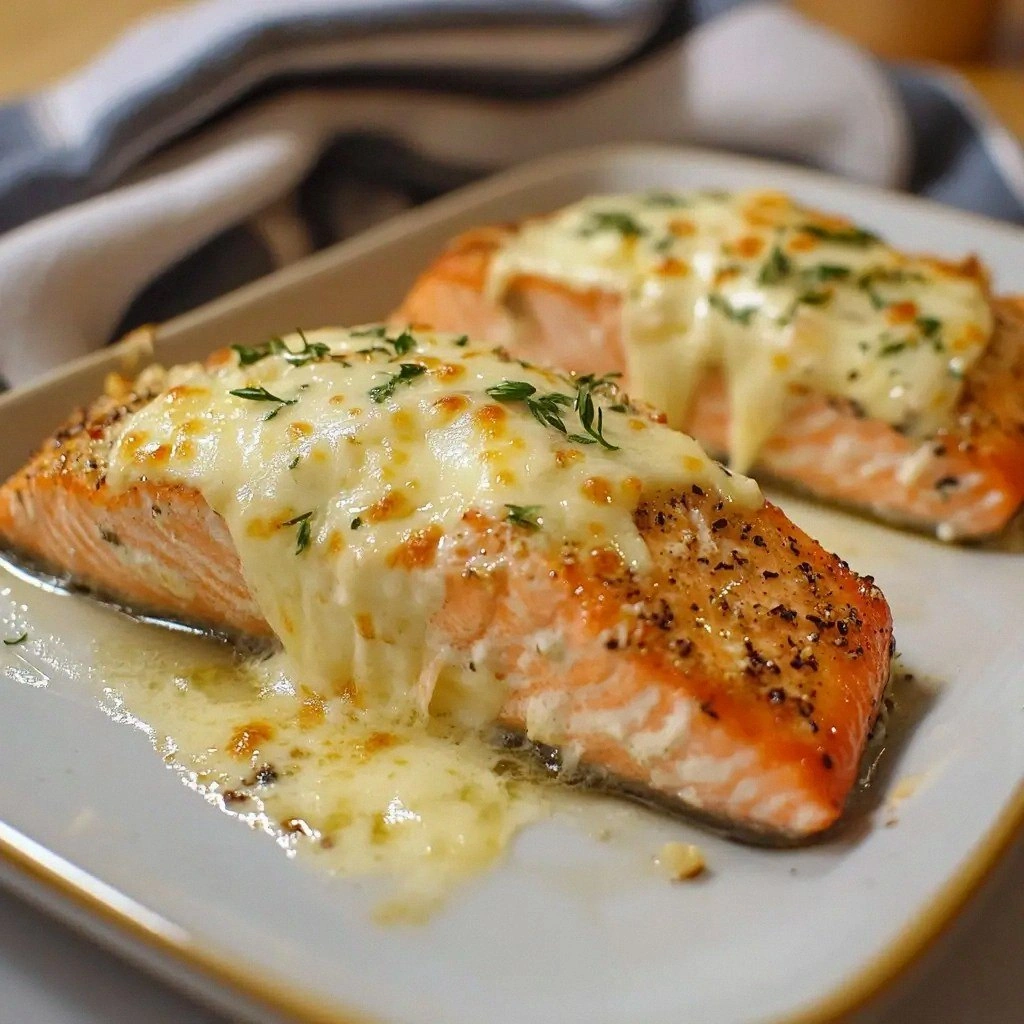
Let’s dive into the moment that made this dish unforgettable. The first time I laid that fillet in the oven, the mayo spread like a glossy, velvety blanket, the cheese bubbling to a golden crown, and the lemon zest releasing a citrus perfume that danced in the air. The smell alone could have convinced anyone that this was a masterpiece, but the real revelation came when the first bite hit your tongue: a tender, flaky interior with a subtle tang, a savory crunch from the cheese, and a whisper of dill that kept the flavor fresh and alive. I dare you to taste this and not go back for seconds.
What sets this baked salmon apart isn’t just the combination of ingredients—it’s the way each element is orchestrated to elevate the whole. The mayo isn’t just a filler; it’s a silky binder that locks in moisture and gives the fish a luscious, almost decadent coating. The cheese, whether cheddar or parmesan, adds a salty depth that cuts through the richness of the fish, while the lemon zest injects a bright counterpoint that keeps the dish from feeling heavy. And the subtle herbs? They’re the secret handshake that pulls all flavors together.
Picture yourself pulling this dish out of the oven, the kitchen smelling incredible, the plate shimmering with a golden crust, and the aroma of citrus and garlic swirling around you. That’s the experience I aim to give you. I’m going to walk you through every single step, from the first chop to the final garnish, so by the end you’ll wonder how you ever made it any other way. Let’s get started.
What Makes This Version Stand Out
- Flavor: The mayo base creates a creamy, silky texture that coats the salmon like velvet, while the cheese adds a savory, slightly sweet finish that melts into every bite.
- Texture: The cheese forms a golden crust that shatters like thin ice when you bite, revealing tender fish underneath.
- Ease: No fancy equipment or time‑consuming prep—just a few pantry staples and a baking sheet.
- Versatility: Works with any salmon cut—fillets, steaks, or even a whole side—making it a go‑to for any occasion.
- Crowd‑pleaser: Even the pickiest eaters love the buttery, cheesy coating that masks the fish’s natural flavor while still letting it shine.
- Quality: Uses fresh, high‑grade ingredients that bring out the best in the salmon, ensuring every bite is a sensory triumph.
- Make‑Ahead: You can assemble it a day before, refrigerate, and bake fresh when you’re ready—great for busy weeknights.
- Health‑Friendly: Balanced macros with a good mix of protein, healthy fats, and carbs—perfect for a wholesome dinner.
Alright, let's break down exactly what goes into this masterpiece…
Inside the Ingredient List
The Flavor Base
At the heart of this dish is the mayo, which acts as both a moisture lock and a flavor carrier. Mayo’s creamy texture gives the salmon a buttery mouthfeel, while its neutral profile lets the lemon and dill shine. If you’re avoiding dairy or looking for a lighter version, a Greek yogurt or avocado mash can substitute, but expect a slightly tangier bite. Remember, the mayo should be at room temperature to spread evenly and avoid clumping.
The Texture Crew
The cheese—cheddar, parmesan, or a blend—creates that irresistible golden crust. The cheese’s fat content helps it brown beautifully, turning into a crisp, melty layer that cracks when you bite. If you’re allergic to dairy, a sprinkle of nutritional yeast or a plant‑based cheese works, though the flavor profile shifts slightly toward nuttiness. The amount matters: too little cheese and you miss the crunch; too much and the fish gets overwhelmed.
The Unexpected Star
Fresh dill, though optional, adds a bright, herbal note that cuts through the richness of the mayo and cheese. Dill’s subtle piney undertones lift the dish, giving it a refreshing finish. If dill isn’t available, parsley or chives offer a similar brightness, but be prepared for a slightly different aroma. The key is to chop finely so the herbs distribute evenly across the fillets.
The Final Flourish
Lemon zest and garlic powder are the finishing touches that provide a zing and a savory depth. Lemon zest’s bright oils release a citrus burst that awakens the palate, while garlic powder offers a mellow, all‑day garlic flavor without the risk of burning. If you prefer fresh garlic, mince a clove and mix it into the mayo for a sharper bite, but be careful—fresh garlic can dominate if overused.
Everything’s prepped? Good. Let’s get into the real action…
The Method — Step by Step
- Preheat the Oven: Set your oven to 400°F (200°C). A preheated oven ensures the salmon cooks evenly and the cheese crisps up at the right time. While the oven warms, line a baking sheet with parchment paper to prevent sticking.
- Prepare the Salmon: Pat the salmon fillets dry with paper towels. Removing excess moisture helps the mayo spread smoothly and the cheese brown nicely. Season each fillet lightly with salt and pepper—just a pinch on each side.
- Mix the Mayo Blend: In a bowl, combine the mayo, lemon zest, garlic powder, and chopped dill. Whisk until the mixture is smooth and fragrant. If you’re using a dairy‑free alternative, ensure it’s well blended to avoid lumps.
- Apply the Mayo Layer: Spread a generous spoonful of the mayo mixture over each fillet, covering the surface evenly. The mayo should coat the fish like a silky blanket, trapping moisture as it bakes.
- Add the Cheese: Sprinkle a hearty layer of shredded cheese over the mayo. Don’t be shy—this is where the golden crust forms. The cheese should cover the fillet completely, leaving no gaps.
- Bake the Salmon: Place the prepared fillets on the lined baking sheet and slide into the preheated oven. Bake for 12–15 minutes, or until the fish flakes easily with a fork and the cheese has melted into a bubbly, golden crust. Watch for the cheese to start turning a deep amber—this signals that the flavor is developing.
- Finish with a Broil: For an extra crisp top, switch the oven to broil for the last 1–2 minutes. Keep a close eye to avoid burning; the cheese should be caramelized but not blackened.
- Rest and Serve: Remove the salmon from the oven and let it rest for 3 minutes. This allows the juices to redistribute, ensuring every bite is moist. Plate the fillets, drizzle a little olive oil, and garnish with a sprig of dill if desired.
- Optional Finish: A squeeze of fresh lemon juice over the top adds a bright, zesty punch that balances the richness. Serve immediately with a side of roasted vegetables or a crisp salad.
That’s it—you did it. But hold on, I’ve got a few more tricks that will take this to another level…
Insider Tricks for Flawless Results
The Temperature Rule Nobody Follows
Many cooks bake salmon at 425°F (220°C), but that high heat can scorch the mayo and cheese before the fish cooks through. Setting the oven to 400°F (200°C) gives the salmon enough time to cook gently while allowing the cheese to caramelize without burning. I’ve tried both temperatures, and the lower one consistently delivers a buttery interior.
Why Your Nose Knows Best
Before you even open the oven door, the scent of the baking salmon can tell you if everything’s on track. A sweet, buttery aroma indicates the mayo is doing its job, while a slight char on the cheese suggests it’s ready. Trust your nose—if it smells like a summer barbecue, you’re in good shape.
The 5‑Minute Rest That Changes Everything
Resting the salmon for 5 minutes after baking allows the juices to redistribute, ensuring the fish stays moist. I’ve seen dishes where the fillets feel dry right out of the oven, only to become succulent after a short pause. It’s a simple step that makes a huge difference.
Fresh Herbs vs. Dried
Fresh dill offers a bright, aromatic punch, while dried dill provides a more subdued flavor. If you’re short on time, use dried dill—just double the amount to compensate for the reduced intensity. The key is to add herbs before baking so they infuse the fish.
Cheese Selection Matters
Cheddar gives a sharp, tangy finish, while parmesan offers a nutty depth. For a milder taste, try mozzarella or a blend of cheddar and parmesan. The cheese’s melting point affects the crust’s texture—cheddar melts into a gooey layer, parmesan crisps into a crunchy shell.
Make‑Ahead Tips
Assemble the salmon and mayo blend a day ahead, cover, and refrigerate. When you’re ready to bake, just pop it into the oven—no extra prep time. This is perfect for busy evenings or when you need to prep meals in advance.
Creative Twists and Variations
This recipe is a playground. Here are some of my favorite ways to switch things up:
Spicy Cajun Salmon
Swap the garlic powder for a teaspoon of Cajun seasoning and add a pinch of cayenne. The heat will contrast the creamy mayo and melt the cheese into a fiery, flavorful crust that’s perfect for spice lovers.
Herbed Parmesan Crust
Replace cheddar with grated parmesan and mix in chopped parsley or basil. The nutty parmesan pairs with the herb’s bright notes, creating an elegant, savory crust.
Asian‑Inspired Glaze
Stir in a tablespoon of soy sauce and a splash of sesame oil into the mayo blend. Finish with a sprinkle of toasted sesame seeds for an umami kick that transports your taste buds to the East.
Vegan Version
Use a plant‑based mayo and a dairy‑free cheese alternative, such as a cashew‑based blend. The texture remains creamy, while the flavors stay satisfying.
Smoked Salmon Variation
Swap the fresh fillets for smoked salmon slices. Brush with mayo, top with cheese, and bake briefly to melt the cheese. The result is a quick, indulgent appetizer.
Storing and Bringing It Back to Life
Fridge Storage
Cool the baked salmon completely, then store in an airtight container for up to 3 days. The mayo keeps the fish moist, so it stays fresh longer than typical baked fish.
Freezer Friendly
Wrap individual fillets in parchment paper, then place in a freezer bag. Freeze for up to 2 months. Thaw overnight in the fridge before reheating.
Best Reheating Method
Reheat in a 350°F (175°C) oven for 10 minutes, or until warmed through. Add a splash of water or broth before reheating to keep the fish from drying out; the steam restores moisture and keeps the texture buttery.