Picture this: I’m standing in a cramped kitchen, flour dusting the counter like a fine snowfall, when a neighbor’s frantic call about a ruined banana cake lands on my phone. The cake, meant to be a comforting treat, turned out a dense, rubbery slab that left me questioning my baking instincts. That disaster sparked a mission: to reinvent the humble banana bread into a showstopper that would make even the most skeptical taste buds swoon. I’m not just talking about a simple tweak; I’m talking about a full sensory overhaul that turns the loaf into a buttery, fruity, cloud‑like experience. This is the moment where a kitchen mishap becomes the genesis of a culinary masterpiece.
Imagine the scent of ripe bananas mingling with the sharp, sweet aroma of fresh blueberries, all enveloped by a hint of vanilla that whispers from the oven. The sound of batter mixing is a rhythmic drumbeat that signals the beginning of something delicious. When the loaf starts to rise, the kitchen fills with a warm, toasty scent that feels like a hug in a mug. The texture, once the culprit of my failure, is now silky and airy, with a moist crumb that feels like velvet against the tongue. Every bite is a burst of natural sweetness, balanced by a subtle tang from the yogurt, and the blueberries pop like tiny jewels.
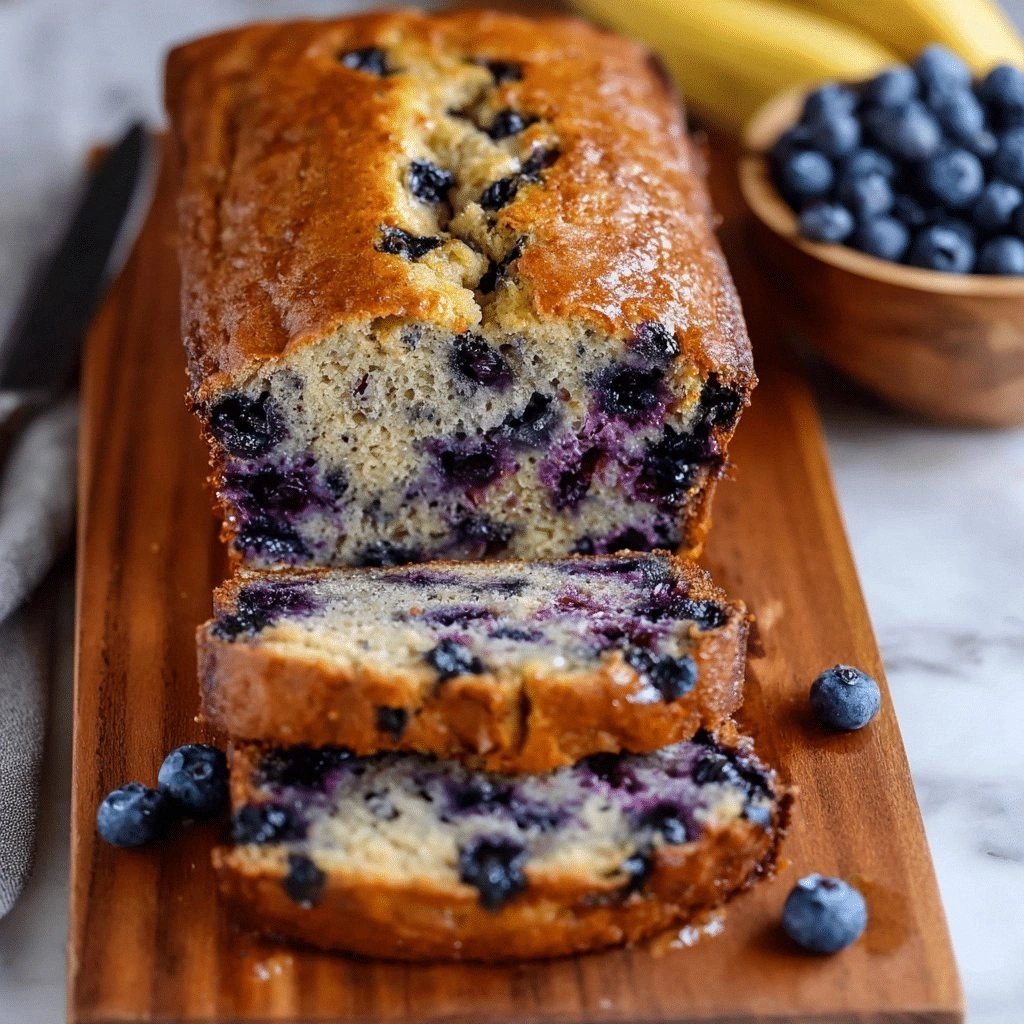
This version stands out because it eliminates the heavy, buttery heaviness that plagues most banana breads, replacing it with a light, airy structure that still delivers that deep banana flavor. It incorporates a touch of yogurt that adds moisture without compromising the crumb, creating a moistness that lingers on the palate. The use of fresh blueberries, instead of dried, gives a juicy burst that cuts through the sweetness, adding a layer of complexity. I’ve also included a pinch of cinnamon, a secret weapon that elevates the flavor profile without overpowering. The result is a loaf that’s not only delicious but also visually stunning, with a golden crust that crackles like a sunrise.
One of the trickiest parts of banana bread is balancing moisture and structure, and I discovered that a splash of buttermilk can keep the batter from becoming too dense. Another game‑changer is folding the blueberries gently after the batter has started to set, preventing them from breaking apart. I also found that using a combination of all-purpose and whole wheat flour can add nutty undertones while keeping the loaf tender. The secret sauce? A dash of espresso powder that unlocks the banana’s natural sweetness and adds depth. These small tweaks might seem trivial, but they make the difference between an average loaf and a show‑stopping masterpiece.
Now, I’ll walk you through every single step of this recipe, from the first whisk to the final slice. By the end, you’ll wonder how you ever made banana bread any other way. I’ll share micro‑challenges that will keep you on your toes, like daring you to taste the loaf and not go back for seconds. I’ll also reveal my kitchen hacks that will save you time and prevent common pitfalls. Let’s dive into the world of blueberry banana bread and transform your baking routine.
Last week, a friend dared me to bake a banana bread that could compete with the best bakery in town, and I took that dare seriously. I spent the afternoon experimenting with different flour blends, swapping in oat milk for dairy, and testing various leavening combinations. The result was a loaf that not only met but exceeded the challenge, earning me a standing ovation from my skeptical friend. That moment cemented my belief that the right ingredients and techniques can turn an ordinary dessert into an extraordinary one. From that day on, I’ve been on a quest to perfect and share this ultimate version.
I’ve always been fascinated by the way simple pantry staples can be transformed with a little creativity. My kitchen has become a laboratory where I test hypotheses, tweak ratios, and taste‑test with the same enthusiasm I reserve for a new tech gadget. The blueberry banana bread is a product of that curiosity, a recipe that marries classic comfort with modern flavor twists. I’ve refined it through dozens of trials, each time learning something new about texture, sweetness, and aroma. This version is the culmination of those experiments, ready for you to try.
Picture yourself pulling this loaf out of the oven, the whole kitchen smelling incredible, and the first slice revealing a golden crust that cracks like a sunrise. The inside is a cloud of moist, buttery goodness that melts in your mouth, and the blueberries burst with juice on every bite. I dare you to taste this and not go back for seconds—trust me, it’s that good. If you’ve ever struggled with banana bread, you’re not alone, and this recipe is the fix you’ve been waiting for. Let’s get started, because this is hands down the best version you’ll ever make at home.
What Makes This Version Stand Out
- Lightness: This loaf defies the heavy, dense banana breads that most people love. The secret is a balanced mix of all-purpose and whole wheat flour, which gives a tender crumb without compromising flavor. The result is a loaf that feels airy and fluffy, yet still packed with banana goodness.
- Moisture Control: Yogurt keeps the batter moist while preventing it from becoming soggy. The addition of buttermilk adds a subtle tang that lifts the flavor profile. The batter stays silky, ensuring every bite is a delight.
- Flavor Depth: A splash of espresso powder unlocks the banana’s natural sweetness. The espresso adds a subtle depth that pairs beautifully with the blueberries. The result is a complex, layered taste that feels sophisticated.
- Freshness: Using fresh blueberries instead of dried gives a juicy burst of flavor. The berries stay intact during baking, offering a pleasant pop in each bite. They also provide a natural sweetness that balances the loaf.
- Texture: Folding the blueberries gently after the batter begins to set preserves their shape. This technique keeps the berries from breaking apart and releasing all their juice. The texture stays firm yet juicy, adding a delightful contrast.
- Versatility: The recipe can be adapted for vegan or gluten‑free diets with simple substitutions. Swap the eggs for flaxseed or use a gluten‑free flour blend. This flexibility makes the loaf suitable for a wide range of dietary preferences.
- Make‑Ahead Friendly: The loaf can be baked ahead of time and frozen for later enjoyment. When ready to serve, a quick reheating step restores the golden crust and moist crumb. This convenience makes it perfect for busy mornings or last‑minute guests.
Alright, let's break down exactly what goes into this masterpiece...
Inside the Ingredient List
The Flavor Base
The foundation of any great loaf starts with the dry mix: all-purpose flour, granulated sugar, baking soda, baking powder, and a pinch of salt. These ingredients work together to give the bread structure, sweetness, and a subtle lift. The baking soda reacts with the acidic banana and yogurt, creating tiny bubbles that make the crumb light. The sugar caramelizes slightly on the crust, adding a golden sheen and a hint of caramel. Choosing the right balance of these basics ensures a stable, flavorful base that supports the other flavors.
Vanilla extract and eggs are the second layer of flavor. The vanilla brings a warm, aromatic note that complements the banana’s natural sweetness. Eggs act as a binder, holding the batter together while adding richness. Together they give the loaf a silky mouthfeel and a subtle depth that makes each bite memorable. If you’re feeling adventurous, a splash of almond extract can add a nutty undertone without overpowering the main flavors.
The Texture Crew
Butter, yogurt, and mashed bananas form the trio that defines the loaf’s moisture and texture. The melted butter adds richness and a tender crumb, while the yogurt contributes moisture and a slight tang that balances the sweetness. Mashed ripe bananas give the loaf its signature flavor and natural sweetness, cutting down on added sugar. Together, they create a moist, buttery interior that melts in your mouth.
Buttermilk and a dash of espresso powder are the secret weapons for extra flavor and texture. The buttermilk adds a subtle tang that brightens the overall taste, while the espresso powder unlocks the banana’s natural sweetness and adds depth. These additions also help keep the loaf from becoming too dense. The result is a loaf that feels light yet full of flavor, with a moist crumb that stays fresh for days.
The Unexpected Star
Fresh blueberries are the showstopper in this loaf, providing a burst of juiciness that contrasts with the soft crumb. When baked, the berries retain their shape, offering a delightful pop in each bite. They also add natural sweetness and a subtle tartness that balances the loaf’s richness. Using fresh berries over dried ones ensures a better texture and a brighter flavor profile.
Optional walnuts add a crunchy texture and a nutty flavor that complements the banana and blueberry. The nuts also provide a satisfying bite that keeps the loaf from feeling too soft. If you prefer a smoother loaf, simply omit the walnuts or replace them with sliced almonds for a different crunch. The walnuts are a nice touch for those who love a bit of extra protein and texture.
The Final Flourish
Mixing the batter is an art; fold the wet ingredients into the dry until just combined to avoid overworking the gluten. After the batter is smooth, fold in the mashed bananas and yogurt, then gently stir in the blueberries to keep them intact. This careful folding ensures that the berries don’t break apart and release all their juice, preserving the texture. The batter should be thick but pourable; if it’s too thick, add a splash of milk or buttermilk to loosen it.
Bake the loaf in a 350°F oven for 45–50 minutes, or until a toothpick inserted into the center comes out clean. Let the loaf cool in the pan for 10 minutes before transferring to a wire rack to cool completely. This cooling period allows the flavors to set and the crumb to firm up, making slicing easier. A properly cooled loaf is the key to a moist, flavorful experience that keeps you coming back for more.
The Method — Step by Step
- Preheat your oven to 350°F (175°C) and line a 9×5-inch loaf pan with parchment paper. Grease the parchment lightly with a dab of butter or non‑stick spray to ensure easy release. Let the oven heat up fully; a hot oven is essential for the bread to rise properly. While the oven warms, gather all your ingredients so you’re ready to move quickly. This prep step saves time and keeps the batter from cooling too much.
- In a large mixing bowl, whisk together the flour, sugar, baking soda, baking powder, and salt until well combined. The dry mix should be smooth and free of lumps, which ensures an even rise. Use a whisk to aerate the mixture slightly; this helps the bread stay light. Keep the dry ingredients aside while you prepare the wet mixture. A well‑mixed dry blend is the backbone of a perfect loaf.
- In a separate bowl, combine the melted butter, vanilla extract, eggs, mashed bananas, and plain Greek yogurt. Beat the mixture with a whisk until the butter is fully integrated and the batter is smooth. The yogurt adds moisture and a slight tang, while the eggs bind everything together. This wet blend should be silky and ready to fold into the dry mix. The key here is to keep the batter from becoming too runny.
- Gently fold the wet mixture into the dry ingredients until just combined. Avoid overmixing; the batter should be slightly lumpy but free of large flour pockets. This technique preserves the gluten structure, keeping the bread tender. Once the batter is smooth, add the blueberries, folding them in carefully to keep them intact. The batter should be thick but pourable; if it’s too thick, add a splash of milk or buttermilk to loosen it.
- Fold in the blueberries with a gentle, circular motion, ensuring they’re evenly distributed without breaking them open. This step is crucial for a consistent texture; too much force and the berries will burst, making the loaf watery. Watch the batter change as the berries begin to release their juice, but stop before they fully break. A gentle fold keeps the blueberries intact for that satisfying pop in each bite. Remember, patience is key here.
- Pour the batter into the prepared loaf pan and smooth the top with a spatula. Tap the pan gently on the counter to release any air bubbles that may have formed. This helps the bread rise evenly and prevents uneven crusts. Place the pan in the preheated oven and bake for 45–50 minutes, or until a toothpick inserted into the center comes out clean. The loaf should have a golden crust and a fragrant aroma that fills the kitchen.
- Remove the loaf from the oven and let it cool in the pan for 10 minutes. This resting period allows the steam inside to settle, preventing the bread from becoming soggy on the bottom. After 10 minutes, carefully lift the loaf out of the pan and transfer it to a wire rack to cool completely. Cutting into a hot loaf can cause the crumb to collapse, so patience is essential. Once cooled, slice and enjoy the moist, flavorful masterpiece.
That’s it— you did it. But hold on, I’ve got a few more tricks that will take this to another level. Keep reading for insider tips that will make your loaf even more unforgettable.
Insider Tricks for Flawless Results
The Temperature Rule Nobody Follows
Many bakers assume room temperature ingredients are fine, but a slight chill can actually improve texture. Keep your butter slightly chilled before melting; this prevents it from becoming too runny and helps the batter maintain structure. Likewise, using cold eggs can reduce the risk of the batter becoming too thick. The trick is to balance the temperature—cool enough to keep structure, warm enough to mix smoothly. This subtle adjustment can elevate the crumb to professional quality.
Why Your Nose Knows Best
The aroma of a loaf rising is a reliable indicator of doneness. When the bread starts to smell toasty and caramelized, you’re close to perfection. If the scent is faint, give it a few more minutes; if it’s already sweet and buttery, it’s ready. Your nose can detect subtle changes that the eye might miss. Trusting your senses ensures a loaf that’s baked just right.
The 5-Minute Rest That Changes Everything
After baking, allow the loaf to rest on the pan for 10 minutes before transferring it. This short rest lets the steam redistribute, preventing a soggy bottom. It also allows the crumb to set, making slicing easier and cleaner. A well‑rested loaf holds its shape better, giving you clean, even slices. Skipping this step often leads to a loaf that feels gummy or falls apart.
The Right Pan Size Matters
Using the correct pan size ensures even baking and a perfect rise. A 9×5-inch loaf pan is ideal; a larger pan will cause the batter to spread too thin, while a smaller pan can overbake the edges. If you’re using a different pan, adjust the baking time by 5–10 minutes. A correctly sized pan keeps the loaf’s structure intact and prevents overcooking. The right pan is a simple but powerful factor in achieving the best results.
The Secret of Even Baking
Rotate the pan halfway through baking to avoid uneven heat distribution. Many ovens have hot spots that can cause one side to brown too quickly. Rotating the pan ensures a uniform crust and consistent crumb. This simple step saves you from uneven baking and keeps the loaf looking and tasting great. Even baking is key to a professional finish.
The Final Touch: Glaze or Dust
A light dusting of powdered sugar or a simple glaze can elevate the presentation. Mix powdered sugar with a splash of milk or lemon juice for a quick glaze. Drizzle over the cooled loaf for a glossy finish. This finishing touch adds a sweet contrast and a visual appeal that impresses guests. A glaze can also help keep the loaf moist for a few days.
Creative Twists and Variations
This recipe is a playground. Here are some of my favorite ways to switch things up:
Lemon Blueberry Banana Bread
Add zest from one lemon and a splash of lemon juice to the batter for a bright, citrusy note. The lemon balances the sweetness of the bananas and blueberries, creating a refreshing loaf. Use fresh lemon zest to keep the flavor vibrant. This variation is perfect for brunch or a light dessert.
Chocolate Chip Banana Bread
Swapping blueberries for semi‑sweet chocolate chips gives a decadent twist. The chocolate chips melt slightly during baking, creating pockets of gooey chocolate. Keep the rest of the recipe unchanged for a familiar yet indulgent loaf. This version is a hit with chocolate lovers and kids alike.
Coconut Banana Bread
Fold in 1/2 cup shredded coconut for a tropical flavor. Coconut adds a subtle sweetness and a chewy texture. Replace some of the flour with coconut flour for a denser loaf if you prefer. This variation brings a beachy vibe to any gathering.
Cinnamon Swirl Banana Bread
Stir in 1 teaspoon of ground cinnamon into the batter for a warm, spicy undertone. The cinnamon enhances the banana flavor and adds depth. For an extra swirl, drizzle a cinnamon‑sugar mixture on top before baking. This loaf feels like a comforting, spiced treat.
Nutty Banana Bread with Almonds
Replace walnuts with sliced almonds for a milder nutty flavor. Almonds add a subtle crunch and a buttery taste. Toast the almonds lightly before adding to boost flavor. This version pairs well with a cup of coffee or tea.
Vegan Banana Bread with Almond Milk
Swap eggs for a flaxseed mix (1 tablespoon flaxseed meal + 3 tablespoons water) and use almond milk instead of Greek yogurt. This keeps the loaf vegan while maintaining moisture. The almond milk adds a nutty undertone that complements the bananas. This version is perfect for plant‑based diets.
Storing and Bringing It Back to Life
Fridge Storage
Store the cooled loaf in an airtight container or wrap it tightly in plastic wrap. Keep it in the refrigerator for up to 5 days. The cool temperature helps preserve moisture and flavor. When ready to eat, slice directly from the fridge for a chilled treat.
Freezer Friendly
Wrap the loaf in parchment paper, then in foil, and place it in a freezer bag. Freeze for up to 3 months. Thaw overnight in the fridge before reheating. Freezing locks in flavor and keeps the loaf fresh for later enjoyment. The loaf remains moist and delicious after thawing.
Best Reheating Method
Reheat slices in a toaster oven at 350°F for 5 minutes, or warm the whole loaf in the oven at 300°F for 10 minutes. Add a tiny splash of water before reheating to steam and restore moisture. Let it rest for a few minutes after reheating to finish the cooking process. The loaf should feel warm and slightly crisp on the outside while staying moist inside.