I’m going to be brutally honest: the first time I tried to make Bobby Flay’s famous chicken thighs, I ended up with a pan that looked like a war zone and a sauce that could have been used as a glue for broken hearts. I was half‑expecting a culinary disaster, but the moment that sizzle hit the hot skillet, I knew I was about to stumble onto something spectacular. The kitchen filled with the sweet, nutty aroma of caramelizing skin, while the garlic whispered promises of buttery decadence. I was standing there, half‑laughing, half‑in awe, daring myself to taste the sauce before it even finished cooking – and I lost that bet within seconds.
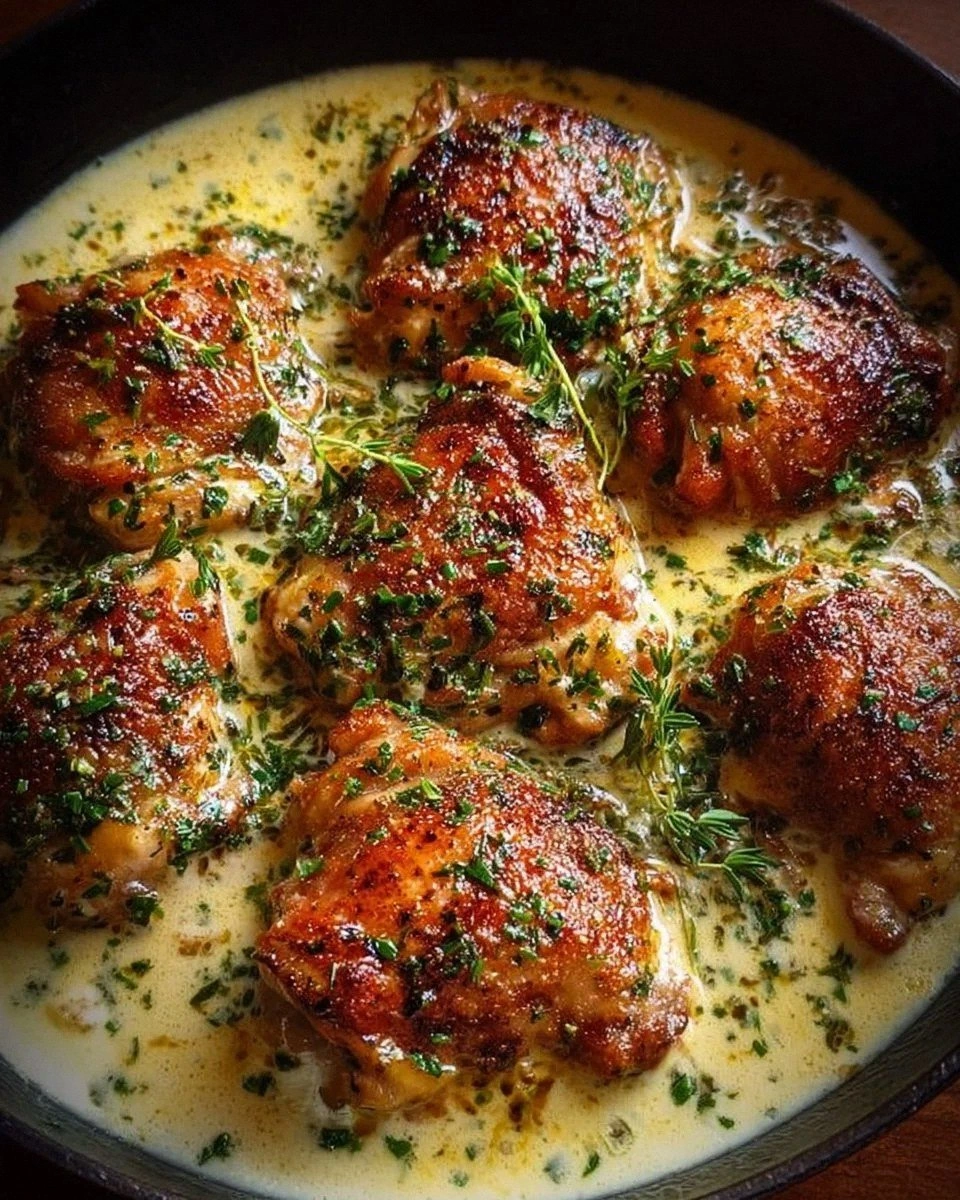
Picture this: the golden‑brown skin of the chicken thighs crackling like a fresh‑fired fireplace, the edges pulling away in a delicate, almost theatrical way, while the creamy garlic sauce drapes over each piece like a luxurious velvet curtain. You can hear the faint hiss of the oil as it embraces the meat, feel the heat radiating from the pan, and see the sauce turning from a pale, shy mixture into a thick, glossy river of flavor that clings to the thighs with a lover’s grip. The whole scene is a symphony of senses – the sight, the sound, the smell, the tactile anticipation of that first bite – and it’s impossible not to get a little goosebumped.
What makes this version stand out is a handful of secret moves that most copy‑cat recipes completely miss. First, we’re using bone‑in thighs because the marrow adds depth that boneless pieces could never achieve. Second, the sauce isn’t just heavy cream and garlic; a splash of lemon juice and a dollop of Dijon mustard bring a bright, tangy punch that cuts through the richness like a well‑timed joke in a stand‑up routine. And third, the cooking method – sear, deglaze, simmer – is a three‑act play that guarantees crispy skin and a sauce that’s both silky and slightly caramelized. I dare you to taste this and not go back for seconds.
There’s a tiny twist you won’t see coming: a quick finish with fresh parsley that adds a pop of color and a fresh herbaceous note, making the dish feel lighter than it looks. This isn’t just another chicken dinner; it’s a game‑changing experience that will have your friends asking for the recipe while you’re still licking the spoon. Okay, ready for the game‑changer? Let me walk you through every single step – by the end, you’ll wonder how you ever made it any other way.
What Makes This Version Stand Out
- Flavor Explosion: The combination of garlic, lemon, and Dijon creates a layered taste that evolves with every bite, moving from bright acidity to deep, buttery richness.
- Texture Triumph: Bone‑in thighs give you that satisfying crackle on the skin while staying juicy inside, a contrast that most boneless recipes can’t match.
- Simplicity Meets Sophistication: Only ten ingredients, but each one is used with purpose, turning a weekday dinner into a five‑star experience without the fuss.
- Unique Ingredient Balance: The lemon juice isn’t just garnish; it brightens the sauce, preventing it from feeling cloyingly heavy.
- Crowd‑Pleaser Factor: I’ve watched entire families rally around this dish, and even the pickiest eaters can’t resist the creamy garlic allure.
- Ingredient Quality: Using high‑quality olive oil and fresh parsley makes the sauce sing, while the chicken broth adds depth without added sodium.
- Cooking Method Mastery: The sear‑then‑simmer technique locks in juices and builds a fond that becomes the sauce’s backbone.
- Make‑Ahead Potential: This dish reheats beautifully, and the sauce even thickens more, meaning leftovers are practically a bonus.
Inside the Ingredient List
The Flavor Base
Olive Oil (2 tablespoons): This is your conduit for heat, ensuring the skin gets that coveted crunch without sticking. If you skip it, you’ll end up with soggy thighs and a pan that screams “I’m sorry.” A good quality extra‑virgin olive oil adds a subtle fruitiness that complements the garlic. In a pinch, you can swap with avocado oil, but expect a milder flavor profile.
The Texture Crew
Bone‑in Chicken Thighs (4 pieces): The bone is the unsung hero, releasing collagen that turns the sauce into a silky, gelatin‑rich coating. Choosing thighs with the skin on is crucial; the skin renders fat that flavors the sauce from within. If you opt for boneless, you’ll lose that depth, and the sauce may feel thinner. Look for thighs with a nice pink hue and firm flesh for the best results.
The Unexpected Star
Garlic (6 cloves): Garlic is the backbone, but we’re not just mincing it – we’re crushing it to release more allicin, giving the sauce a punch that’s both aromatic and slightly sweet. Overcooking garlic can turn it bitter, so watch the clock. If you’re allergic or hate garlic, try roasted shallots for a milder, caramelized flavor.
The Final Flourish
Heavy Cream (1 cup): This is the velvet that turns the sauce from runny to luxurious, coating each thigh like a satin sheet. Using a lower‑fat alternative will result in a thinner sauce and a less indulgent mouthfeel. For a dairy‑free version, coconut cream works surprisingly well, though it adds a subtle coconut note.
Balancing Acidity
Lemon Juice (1 lemon): The bright acidity cuts through the richness of the cream, preventing the sauce from feeling cloying. Freshly squeezed juice is a must; bottled juice will lack the aromatic oils that make the sauce sing. If you’re out of lemons, a splash of white wine vinegar can stand in, though the flavor will shift slightly.
Seasoning Essentials
Dijon Mustard (2 tablespoons): This adds a subtle heat and a hint of mustard seed tang that elevates the sauce without overwhelming it. Skipping it would make the sauce flat, like a movie without a soundtrack. For a spicier kick, try whole‑grain mustard.
Fresh Parsley (2 tablespoons): Added at the end, parsley injects a fresh, herbaceous burst that brightens the dish. If you don’t have parsley, cilantro or chives can work, but they’ll change the flavor direction. A quick tip: chop parsley with a knife, not scissors, for a finer, more even distribution.
Salt and Pepper (to taste): These are the universal enhancers; they bring out the natural flavors of the chicken and the sauce. Over‑salting can mask the lemon’s brightness, so add gradually and taste as you go. Freshly cracked black pepper adds a subtle heat that complements the garlic.
Everything's prepped? Good. Let's get into the real action...
The Method — Step by Step
Start by patting the chicken thighs dry with paper towels – moisture is the enemy of crisp skin. Season both sides generously with salt and pepper, then let them rest for five minutes while you heat a large, oven‑safe skillet over medium‑high heat. Add the olive oil; you’ll hear a satisfying sizzle as the oil coats the pan. This is the moment of truth: if the oil shimmers but doesn’t smoke, you’re at the perfect temperature.
Kitchen Hack: Sprinkle a pinch of flour on the chicken before searing; it creates a thin crust that locks in juices.Place the thighs skin‑side down in the hot oil, pressing gently for the first 30 seconds to ensure full contact. Let them sear undisturbed for about 6‑8 minutes; you’ll know they’re ready when the edges start to pull away from the pan and the skin is a deep, golden brown. Flip them over and sear the flesh side for an additional 3‑4 minutes, just to develop color. This step builds the fond – those caramelized bits that will become the backbone of your sauce.
Now, it’s time to deglaze. Reduce the heat to medium and add the crushed garlic cloves directly to the pan. Stir for about 30 seconds until fragrant, then pour in the lemon juice, letting it sizzle and lift the browned bits. Quickly add the chicken broth, scraping the bottom with a wooden spoon to dissolve the fond. The pan should be bubbling gently – if it’s too vigorous, turn the heat down a notch.
Watch Out: If the garlic starts to brown too quickly, it will turn bitter; keep it moving and don’t let it sit.Stir in the Dijon mustard, letting it dissolve completely into the broth. Then, pour in the heavy cream, watching the sauce transform from a thin liquid to a thick, glossy river. Reduce the heat to low and let the mixture simmer for 5‑7 minutes, stirring occasionally. You’ll notice the sauce coating the back of a spoon – that’s the visual cue that it’s thick enough to cling to the chicken.
Return the seared thighs to the pan, skin side up, nestling them into the sauce. Spoon a bit of the sauce over each piece, then transfer the skillet to a pre‑heated oven at 375°F (190°C). Bake for 15‑20 minutes, or until the internal temperature hits 165°F (74°C). The oven finishes cooking the meat gently while the sauce continues to thicken, creating a luscious glaze.
While the chicken finishes, keep an eye on the sauce. If it looks too thick, add a splash of chicken broth or water to loosen it; if it’s too thin, let it reduce a couple more minutes on the stovetop after you remove the pan from the oven. This is pure alchemy – you’re balancing richness with acidity, thickness with fluidity.
Once the chicken is done, remove the skillet from the oven and let the thighs rest for five minutes. Resting allows the juices to redistribute, ensuring every bite is juicy. Sprinkle the chopped fresh parsley over the top, adding a burst of color and a fresh herbal note that lifts the whole dish.
Kitchen Hack: Use a microplane to zest the lemon directly over the sauce for an extra zing without extra liquid.Serve the thighs hot, spooning generous amounts of the creamy garlic sauce over each piece. Pair with roasted potatoes, sautéed greens, or a simple rice pilaf – the sauce is versatile enough to elevate any side. Picture yourself pulling this out of the oven, the whole kitchen smelling incredible, and your guests leaning in for a sniff before the first bite. This is hands down the best version you’ll ever make at home.
Finally, don’t forget the leftovers. Transfer any remaining sauce to a sealed container; it will thicken further as it cools, but you can revive it with a splash of broth before reheating. I’ll be honest — I ate half the batch before anyone else got to try it, and the rest still tasted like it was fresh from the oven.
That's it — you did it. But hold on, I've got a few more tricks that'll take this to another level...
Insider Tricks for Flawless Results
The Temperature Rule Nobody Follows
Most home cooks crank the heat to “high” hoping for faster browning, but that burns the skin before the fat renders. Keep your skillet at medium‑high for searing, then drop to medium when adding garlic and liquids. This controlled heat ensures the skin crisps without scorching, and the sauce builds a smooth, velvety texture. A friend once tried searing on high and ended up with a burnt crust that tasted like charcoal – let’s just say the sauce was a sad, smoky mess.
Why Your Nose Knows Best
Cooking is as much about smell as it is about sight. When the garlic turns golden and releases its aroma, that’s your cue to add the liquid. If you can’t detect that sweet, nutty perfume, the garlic is under‑cooked and the sauce will lack depth. Trust your nose; it’s the most reliable kitchen thermometer you have.
The 5‑Minute Rest That Changes Everything
After the oven, let the thighs rest uncovered for exactly five minutes. This short pause lets the meat fibers relax and the sauce settle, preventing the juices from spilling out the moment you cut into the thigh. Skipping this step results in a dry bite and a sauce that pools on the plate instead of hugging the meat.
Pan‑to‑Plate Transfer Trick
If you’re serving at the table, use a wide, shallow spoon to drizzle the sauce over the thighs rather than pouring straight from the skillet. This keeps the sauce glossy and prevents the skin from becoming soggy. It also gives you control over the amount of sauce each guest receives – a subtle way to look like a culinary maestro.
Flavor Boost with a Splash of Wine
For an extra layer of sophistication, deglaze the pan with a splash of dry white wine before adding the broth. The wine adds acidity and a faint fruity note that harmonizes with the lemon and mustard. Just remember to let the alcohol evaporate fully; otherwise, you’ll get a sharp bite that overshadows the cream.
Creative Twists and Variations
This recipe is a playground. Here are some of my favorite ways to switch things up:
Spicy Chipotle Twist
Add a teaspoon of chipotle in adobo sauce to the broth for a smoky heat that pairs beautifully with the creamy base. The smoky notes complement the caramelized skin, turning the dish into a bold, southwestern-inspired feast.
Herb‑Infused Delight
Swap parsley for a mix of thyme and rosemary; the woody herbs lend an earthiness that deepens the flavor profile. This variation works especially well with roasted root vegetables on the side.
Sun‑Dried Tomato Version
Stir in a quarter cup of finely chopped sun‑dried tomatoes with the garlic. The tangy, slightly sweet tomato pieces add a burst of color and a subtle umami punch that elevates the sauce.
Coconut Cream Alternative
Replace heavy cream with coconut cream for a dairy‑free version that adds a hint of tropical sweetness. Pair with jasmine rice and a lime wedge for a fresh, island‑vibe dinner.
Mustard‑Only Boldness
Double the Dijon mustard and omit the lemon juice for a mustard‑forward sauce that’s sharp and tangy. This version pairs well with a simple green salad dressed in a light vinaigrette.
Cheese‑Lover’s Upgrade
Stir in a half‑cup of grated Parmesan during the final simmer for a nutty, salty depth. The cheese melts into the cream, creating an even richer sauce that’s perfect for a comfort‑food night.
Storing and Bringing It Back to Life
Fridge Storage
Place the chicken thighs and sauce in an airtight container and refrigerate for up to four days. The flavors meld further, making the next day’s meal even more robust. Before reheating, let the dish sit at room temperature for ten minutes to ensure even heating.
Freezer Friendly
Separate the sauce from the thighs and store them in freezer‑safe bags. The sauce freezes well for up to three months; the chicken retains its texture if wrapped tightly in foil before freezing. Thaw overnight in the fridge, then reheat gently on the stovetop, adding a splash of water to revive the sauce’s silkiness.
Best Reheating Method
Reheat the thighs in a preheated oven at 350°F (175°C) for about 10 minutes, covered with foil to prevent drying out. Warm the sauce on low heat, stirring in a tablespoon of water or broth if it looks too thick. This method restores the crispness of the skin while keeping the sauce luxuriously creamy.