I was standing in the kitchen, staring at a half‑roasted butternut squash that had somehow ended up on the counter like a rogue snowflake. My friend had dared me to make the most decadent macaroni and cheese using what I could find, and I laughed until I nearly spilled the flour. The moment that sizzle on the skillet when the butter hit the heat felt like a tiny drumroll announcing the start of something legendary. I tasted a hint of cinnamon, a whisper of cayenne, and the sweet, earthy aroma of squash rising like a sunrise in a bowl. That instant, I knew this dish would become my new signature comfort food.
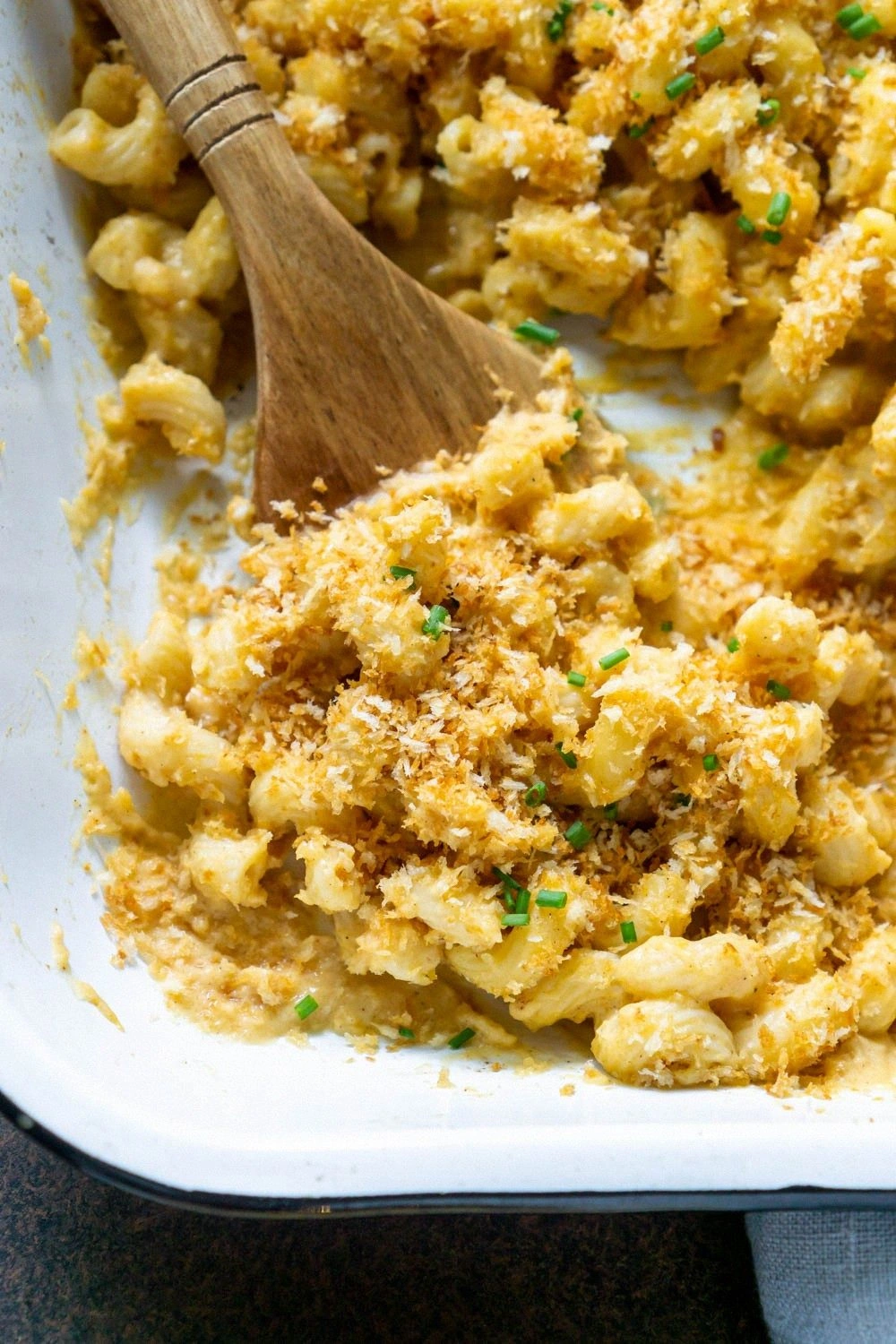
Picture the scene: a golden‑brown butternut squash glistening in the oven, the air thick with caramelized spices that dance like fireflies in a twilight garden. The sound of the bubbling sauce is a soft, reassuring hum that makes the kitchen feel like a sanctuary. When you take your first bite, the creamy cheese coats your tongue like velvet, while the roasted squash offers a subtle, sweet bite that lingers. The panko topping crackles under your teeth, releasing a buttery crunch that echoes the crispness of autumn leaves. Each mouthful is a harmonious blend of sweet, spicy, and savory that feels like a warm hug wrapped in a blanket of flavor.
What sets this version apart is the deliberate layering of flavors and textures that most recipes overlook. By roasting the squash with cinnamon, paprika, and cayenne before incorporating it into the sauce, I create a depth that feels like a secret handshake between ingredients. The choice of cavatappi pasta—its spiral shape traps sauce and pockets of squash—makes every forkful a treasure hunt. The dual cheese blend of Gruyère and cheddar offers both sharpness and meltiness, a balance that turns ordinary macaroni into a gourmet experience. And the final panko crust? It’s a golden, crunchy crown that shatters like thin ice when you bite, sending a burst of buttery flavor into the air.
I dare you to taste this and not go back for seconds—because once you try it, you’ll wonder how you ever settled for anything less. This is hands down the best version you'll ever make at home, and I’m not exaggerating. If you've ever struggled with a bland mac and cheese, you're not alone— and I've got the fix. Picture yourself pulling this out of the oven, the whole kitchen smelling incredible, and knowing you’ve created a dish that will impress anyone. Let me walk you through every single step—by the end, you'll wonder how you ever made it any other way.
What Makes This Version Stand Out
- Flavor Explosion: The combination of roasted butternut squash, cinnamon, and cayenne creates a sweet, smoky, and fiery profile that wakes up your palate like a sunrise.
- Texture Mastery: Cavatappi’s spiral design holds sauce and squash, delivering a bite that’s both creamy and chunky.
- Cheese Synergy: Gruyère adds depth and a nutty finish while cheddar offers a familiar melt, together creating a velvety, complex sauce.
- Panko Perfection: The buttery, crisp topping gives a satisfying crunch that contrasts the creamy interior.
- Ingredient Quality: Fresh, seasonal squash and high‑grade cheeses elevate the dish from comfort food to culinary delight.
- Make‑Ahead Friendly: Assemble, bake, and store for a quick, delicious meal any night of the week.
- Crowd‑Pleaser: The dish’s balanced heat and sweetness make it a hit with both kids and adults.
- Versatile Base: Swap out the pasta or cheeses to tailor the dish to your dietary preferences or pantry staples.
Alright, let's break down exactly what goes into this masterpiece...
Inside the Ingredient List
The Flavor Base
Butternut squash is the star, its natural sweetness caramelizing when roasted with cinnamon, paprika, and cayenne. This trio of spices creates a layered flavor that starts sweet, moves smoky, and ends with a gentle heat. If you skip the spices, the dish feels flat and lacks depth; the squash would just be another sweet vegetable. For a milder version, reduce cayenne to half a tablespoon and increase paprika for more smokiness.
Cinnamon is the secret sweet anchor—its warm, woody notes complement the squash’s earthiness. A pinch of nutmeg, added later in the sauce, rounds out the spice profile with a subtle aromatic lift. If you’re allergic to cinnamon, substitute with a dash of allspice; the result will be slightly different but still delicious. When shopping, look for squash that is firm, unblemished, and has a smooth, pale orange skin.
The Texture Crew
Cavatappi pasta is chosen for its spiral shape, which traps sauce and pieces of squash, creating a bite that’s both creamy and chunky. The pasta’s ridges also help the sauce cling, preventing a watery texture. If you prefer a firmer bite, cook the pasta just short of al dente; it will absorb more sauce during baking. For a gluten‑free option, use a high‑protein rice or quinoa pasta that retains the spiral shape.
Flour, a modest 1/3 cup, thickens the sauce into a luscious, velvety base. It also helps bind the cheese, preventing separation during baking. If you’re avoiding dairy, replace flour with a cornstarch slurry; the sauce will still set nicely. Keep the flour at room temperature to avoid clumping when you whisk it into the milk.
The Unexpected Star
Gruyère cheese brings a nutty, slightly sweet flavor that elevates the sauce beyond ordinary cheddar. Its high melting point ensures a smooth, glossy coating that doesn’t separate. If you can’t find Gruyère, a high‑quality aged cheddar or a blend of cheddar and Parmesan will work, though the flavor profile will shift slightly. Store cheese in a sealed container in the refrigerator; this keeps it from absorbing odors.
Panko breadcrumbs add a crisp, golden layer that contrasts the creamy interior. Unlike regular breadcrumbs, panko’s airy texture creates a crunch that shatters like thin ice, releasing buttery aroma. To make the topping extra indulgent, toss panko with a tablespoon of melted butter before sprinkling it on top. If you’re gluten‑free, use a gluten‑free panko or crushed rice crackers.
The Final Flourish
Fresh chives provide a bright, herbaceous finish that cuts through the richness of the cheese. They also add a subtle oniony note that balances the sweetness of the squash. If you’re allergic to onions, replace chives with finely chopped scallions or a splash of fresh lemon juice for acidity. Sprinkle the chives over the dish right before serving to keep their color vibrant.
Everything's prepped? Good. Let's get into the real action...
The Method — Step by Step
- Preheat the oven to 375°F (190°C). While the oven warms, cut the butternut squash into 1/4‑inch thick wedges. Toss the wedges with olive oil, cinnamon, paprika, cayenne, salt, and pepper, then spread them on a baking sheet. Roast for 20 minutes, turning halfway, until the edges caramelize and the squash is tender. The aroma of the spices will fill your kitchen like a warm hug.
- In a large saucepan, melt 4 tablespoons of butter over medium heat. Add the minced garlic and sauté until fragrant, about 30 seconds. Stir in the flour and cook for another minute to form a roux, whisking constantly to avoid lumps. This thickening base is the backbone of the sauce.
- Gradually whisk in the whole milk, ensuring a smooth, silky sauce. Bring to a gentle simmer, then add nutmeg, 1/2 cup of the shredded Gruyère, and 1 cup of the shredded cheddar. Stir until the cheeses melt completely, creating a glossy, velvety mixture. The sauce should thicken to coat the back of a spoon.
- Cook the cavatappi pasta in salted water until just shy of al dente, about 7 minutes. Drain and reserve a cup of pasta water. The pasta should feel firm to the bite, ready to absorb the sauce without becoming mushy.
- Combine the roasted squash, cooked pasta, and cheese sauce in a large mixing bowl. Toss gently, adding reserved pasta water a tablespoon at a time until the mixture is creamy and well‑coated. The sauce should cling to every corner of the pasta and squash, creating a unified flavor.
- Transfer the mixture to a greased 9×13 inch baking dish. Sprinkle the remaining Gruyère, cheddar, and panko breadcrumbs evenly over the top. The breadcrumb layer will form a golden, crispy crown as it bakes.
- Bake in the preheated oven for 20 minutes, until the top is golden and bubbling. If you like extra crisp, switch the oven to broil for the last 2 minutes, watching closely to avoid burning. The final dish should emit a savory, buttery aroma that makes everyone in the house want to dig in.
- Remove from the oven and let it rest for 5 minutes. Sprinkle chopped chives over the top for a burst of color and freshness. Slice, serve, and enjoy the harmony of creamy, sweet, and spicy notes that dance on your tongue.
That's it — you did it. But hold on, I've got a few more tricks that'll take this to another level...
Insider Tricks for Flawless Results
The Temperature Rule Nobody Follows
Many cooks set their oven to a high temperature and rush the baking, which can lead to uneven browning. Instead, bake at 375°F (190°C) and keep an eye on the breadcrumbs; they should be golden brown in 20 minutes. If you prefer a more caramelized top, switch to broil for the last 2 minutes, but watch carefully. This method ensures a crisp crust without scorching the cheese.
Why Your Nose Knows Best
Smell is the most powerful cue for flavor perception. When the sauce starts to bubble and the butter turns golden, the scent signals that the roux is ready. If the sauce smells burnt or metallic, reduce the heat immediately. A well‑aromated sauce guarantees a richer taste experience.
The 5-Minute Rest That Changes Everything
Letting the baked dish rest for 5 minutes after removing it from the oven allows the cheese to set and the flavors to meld. It also prevents hot steam from making the breadcrumbs soggy. While it rests, sprinkle fresh chives and a drizzle of olive oil for an extra layer of aroma.
Cheese Swap for a Tangy Twist
If you crave a sharper, tangier cheese, swap the Gruyère for a good quality aged cheddar or even a sharp Gouda. The acidity will cut through the richness of the butternut squash, giving the dish a new dimension. Just keep the ratio of cheeses the same to maintain the sauce’s balance.
The Secret to a Crispy Panko
To achieve that coveted crunch, toss the panko with a tablespoon of melted butter and a pinch of salt before sprinkling. This not only adds flavor but also ensures each breadcrumb browns evenly. If you’re using a gluten‑free panko, the same technique applies; just watch the baking time closely.
Creative Twists and Variations
This recipe is a playground. Here are some of my favorite ways to switch things up:
Smoky Chipotle Version
Add a tablespoon of chipotle in adobo sauce to the sauce mixture for a smoky heat that pairs beautifully with the squash. Keep the cayenne low to avoid overwhelming the dish. This version works great with a side of black beans for a hearty meal.
Herb‑Infused Mediterranean
Replace the paprika with smoked oregano and add a handful of chopped sun‑dried tomatoes to the squash mix. Finish with fresh parsley instead of chives. The result is a bright, herbaceous dish that feels like a sunny Mediterranean escape.
Vegan Comfort
Use a plant‑based milk and vegan cheese blend. Substitute the butter with a neutral oil and replace panko with crushed cornflakes for a crunchy topping. This version keeps all the flavors while being dairy‑free.
Breakfast Bowl
Serve a smaller portion over a bed of sautéed spinach and top with a poached egg. The yolk’s richness complements the sweet squash and creamy sauce. It’s a hearty, protein‑packed start to the day.
Pasta Swap for Gluten‑Free
Use a gluten‑free rice or quinoa pasta that holds the sauce just as well. The texture will be slightly different, but the flavor profile remains unchanged. This makes the dish accessible to those with gluten sensitivities.
Storing and Bringing It Back to Life
Fridge Storage
Cool the dish completely before covering it tightly with plastic wrap or an airtight container. Store in the refrigerator for up to 3 days. The sauce will thicken slightly, so when reheating, add a splash of milk to restore its silky texture.
Freezer Friendly
Pack the dish in a freezer‑safe container, leaving a small gap for expansion. Freeze for up to 2 months. Thaw overnight in the refrigerator before reheating. The texture remains excellent, and the flavors intensify.
Best Reheating Method
Reheat in a preheated oven at 350°F (175°C) for 15 minutes, then broil for 2 minutes to crisp the top. Add a splash of water or milk before reheating to steam back to perfection. The result is a dish that tastes almost as fresh as when it was first baked.