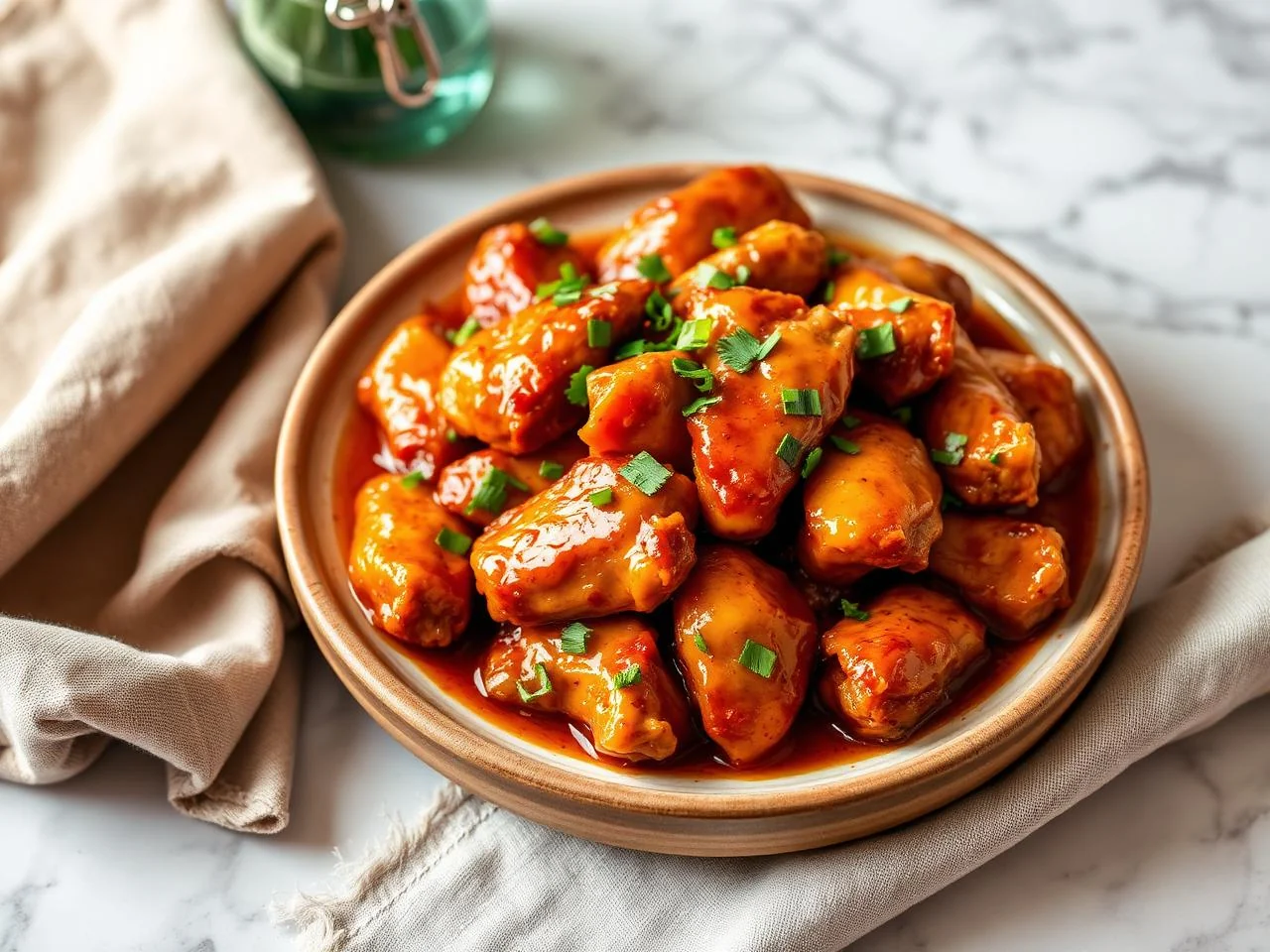
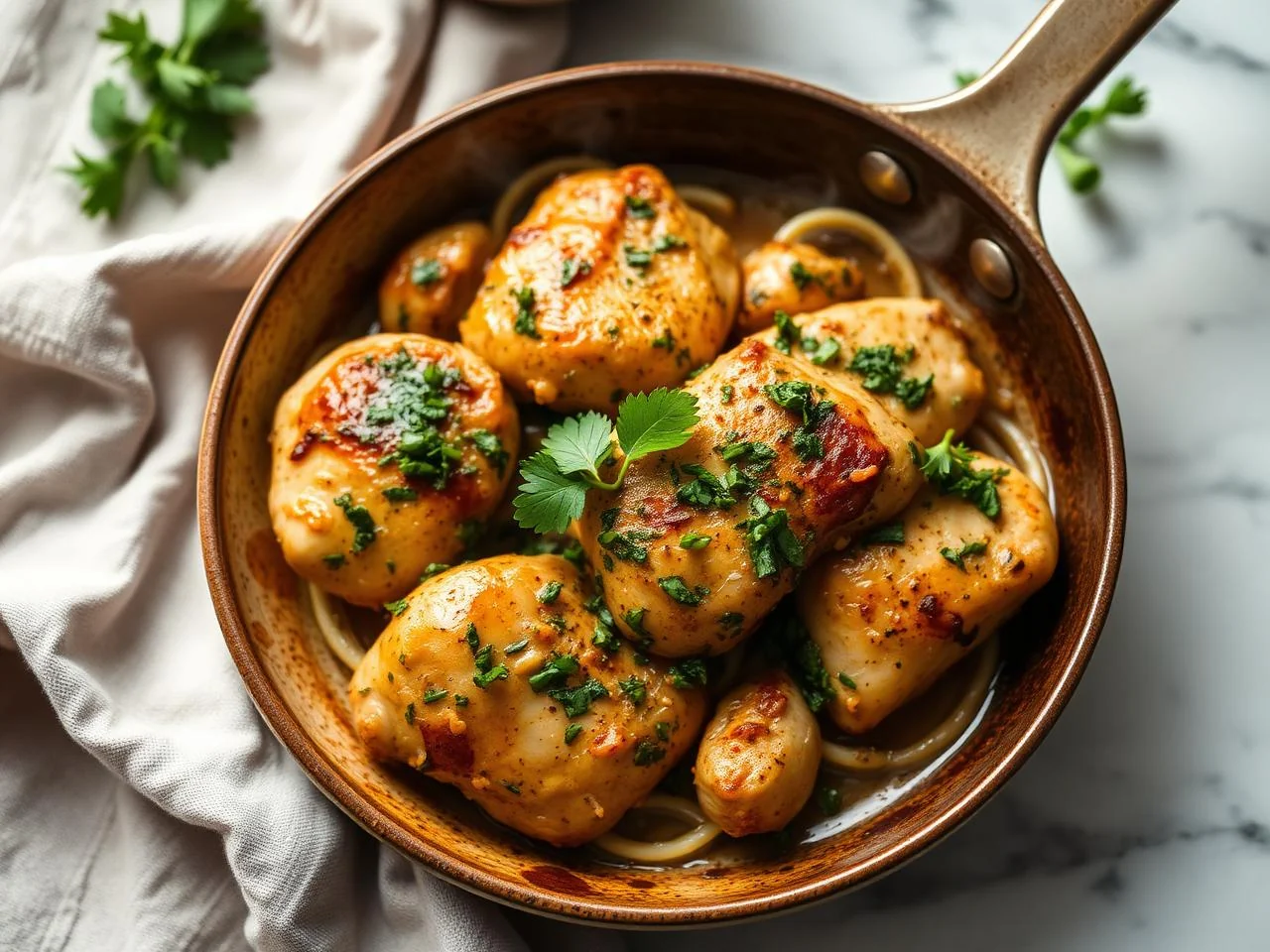
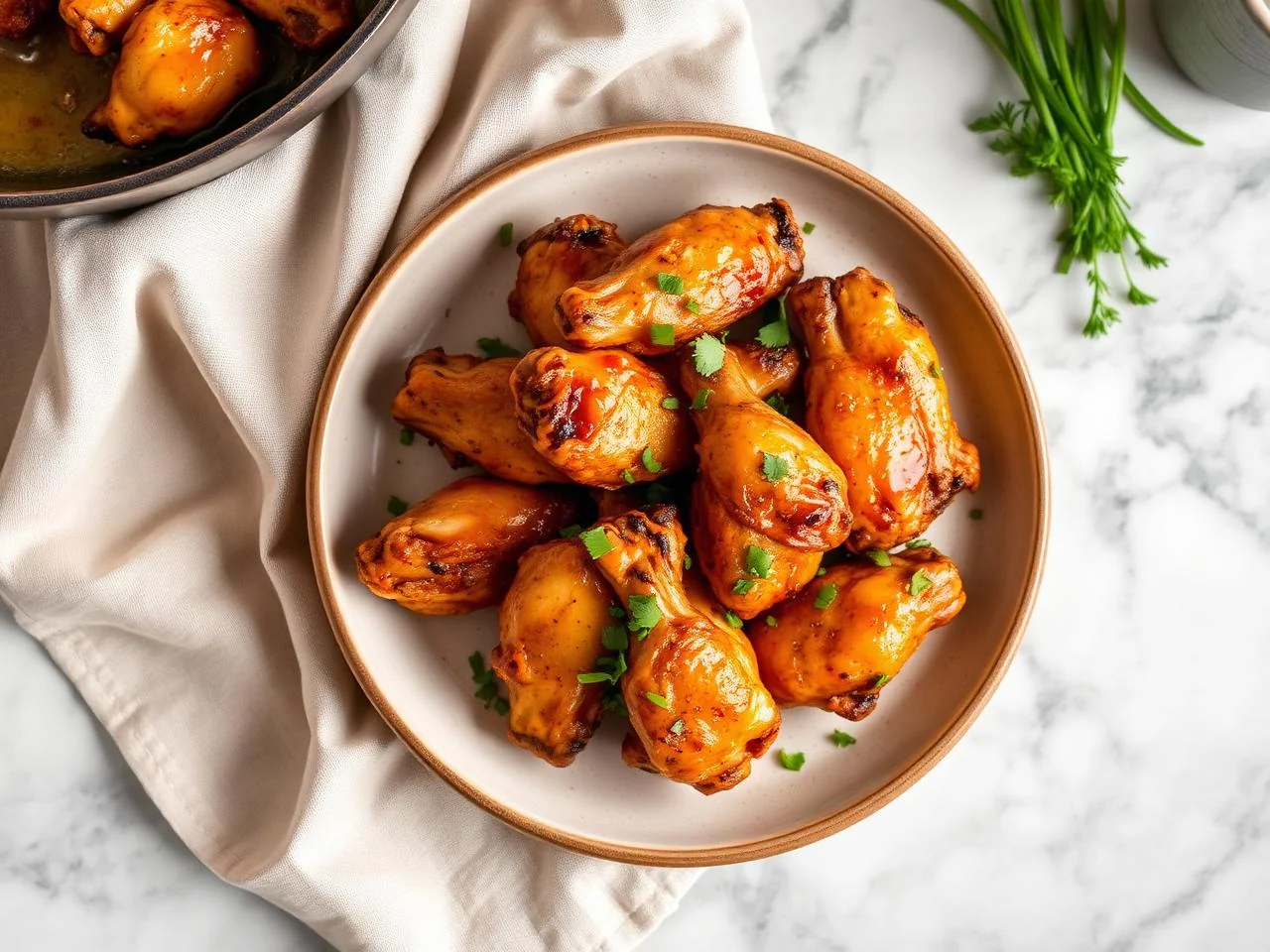
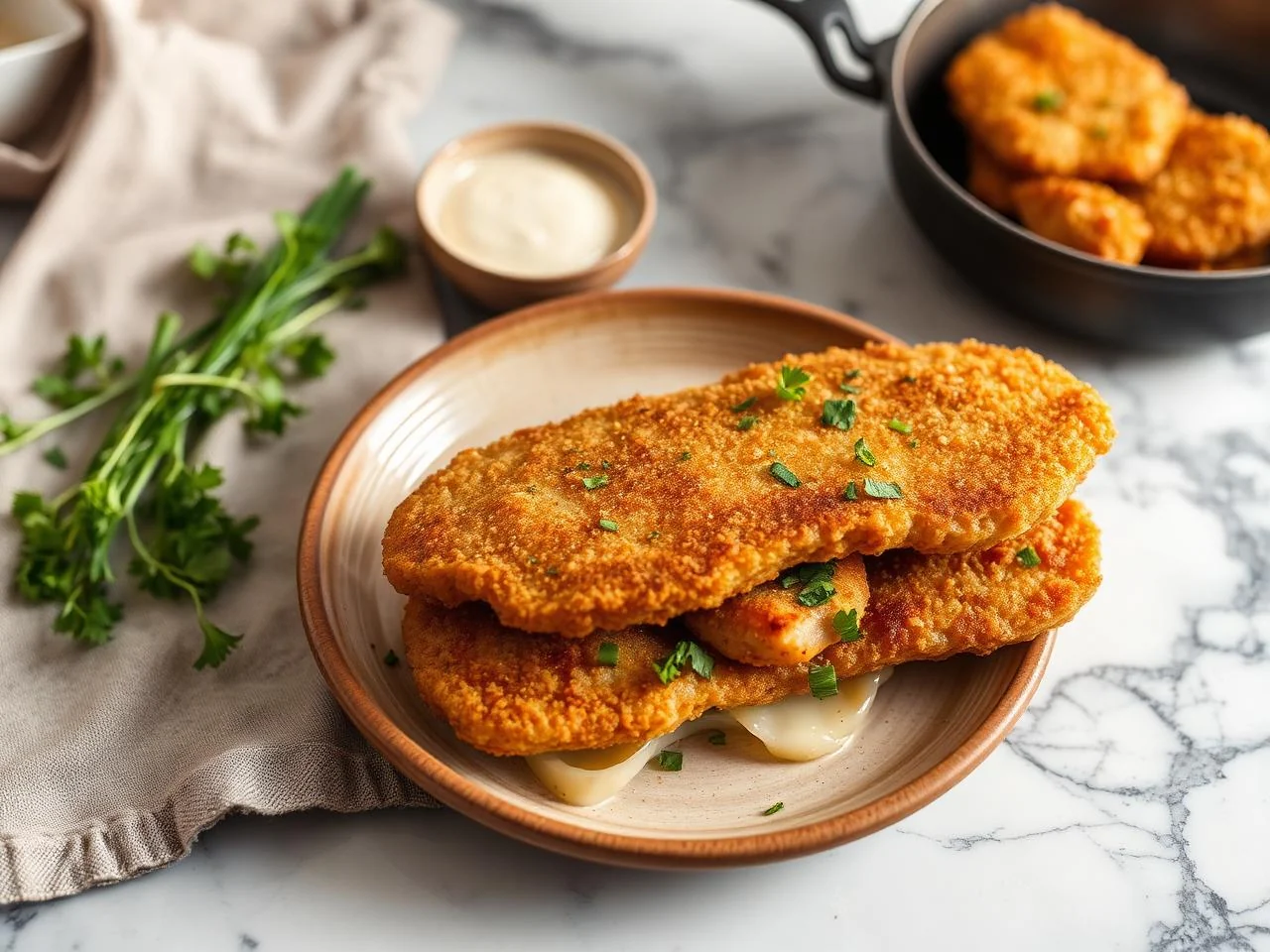
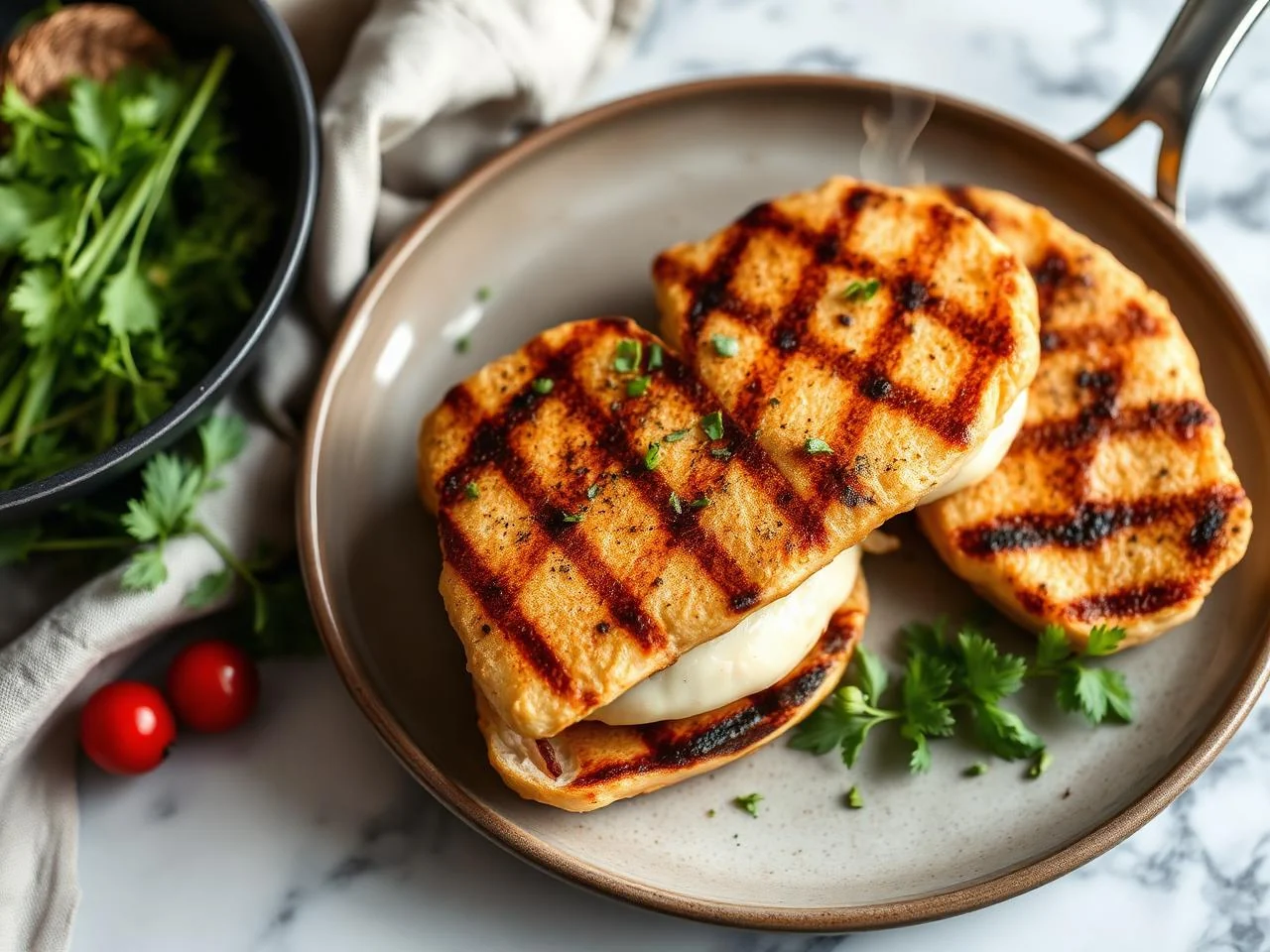
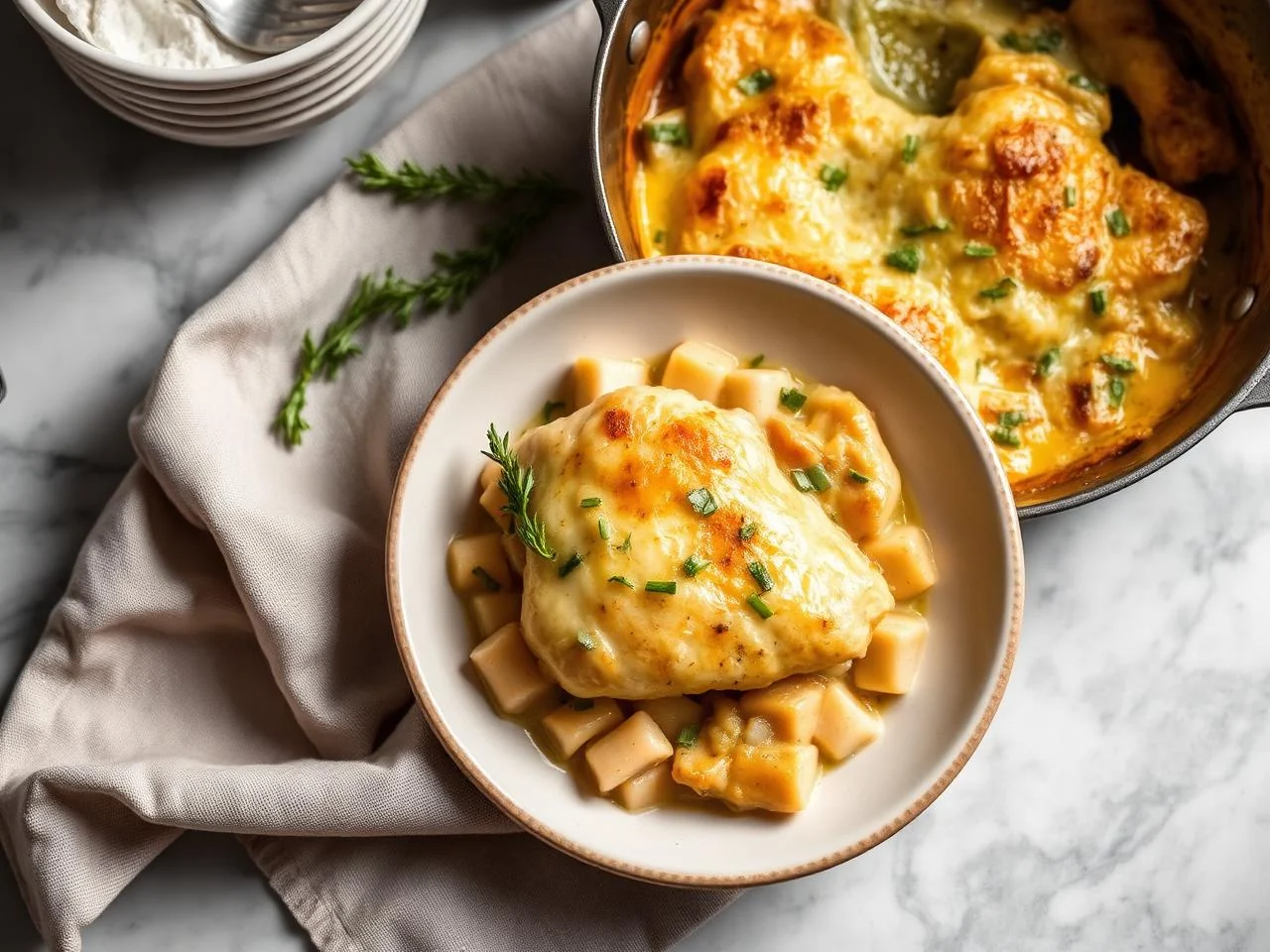
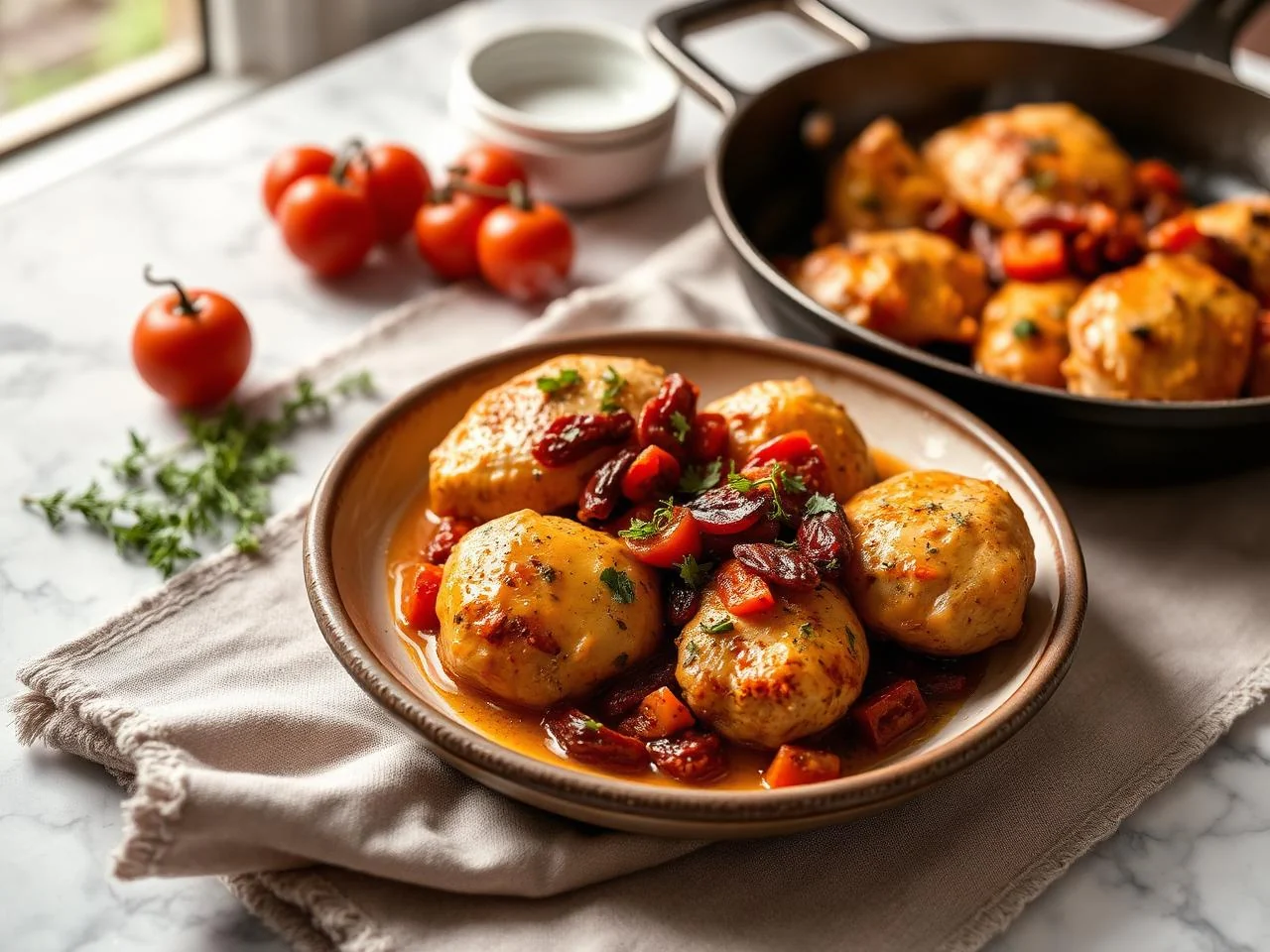
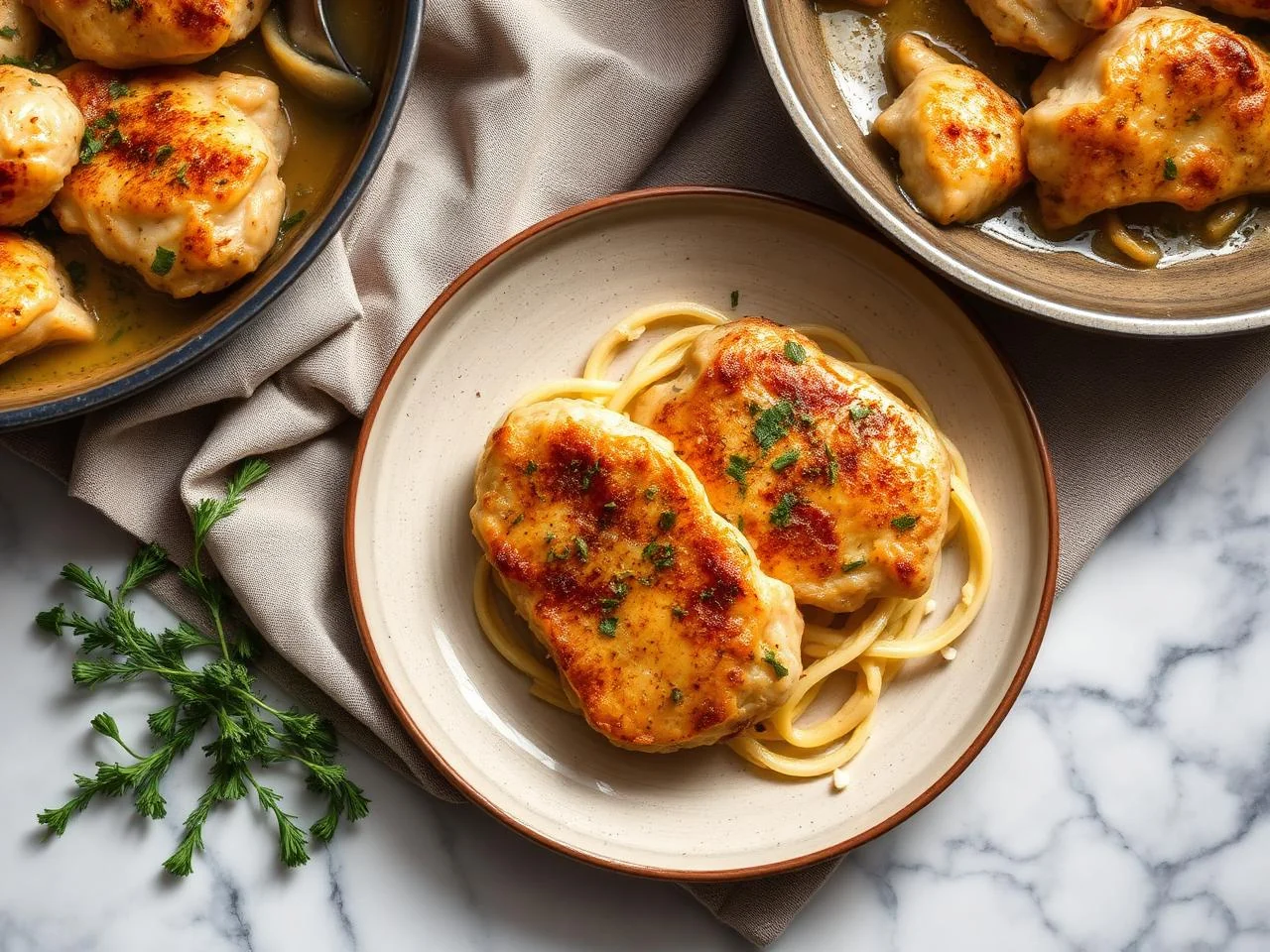
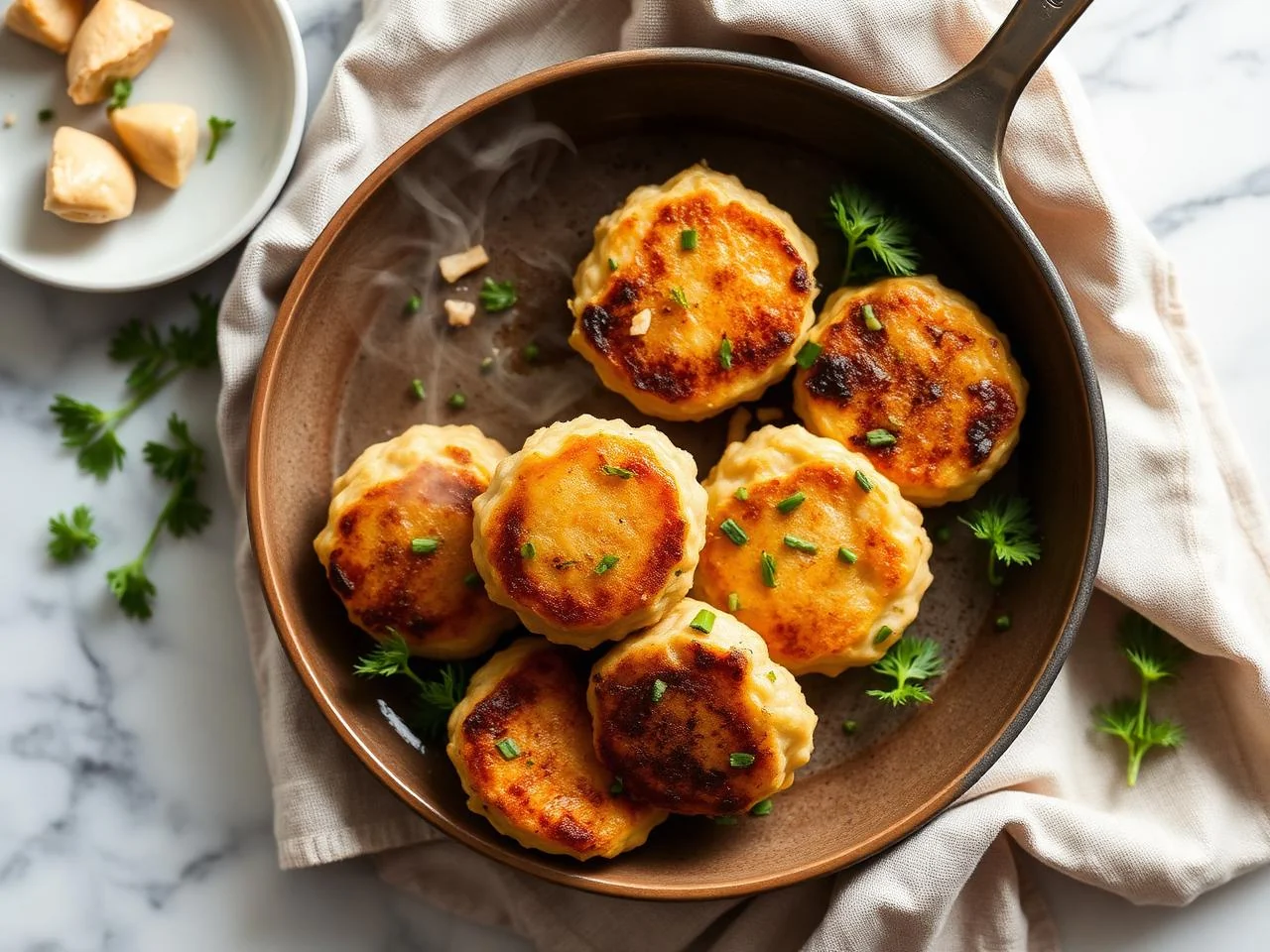
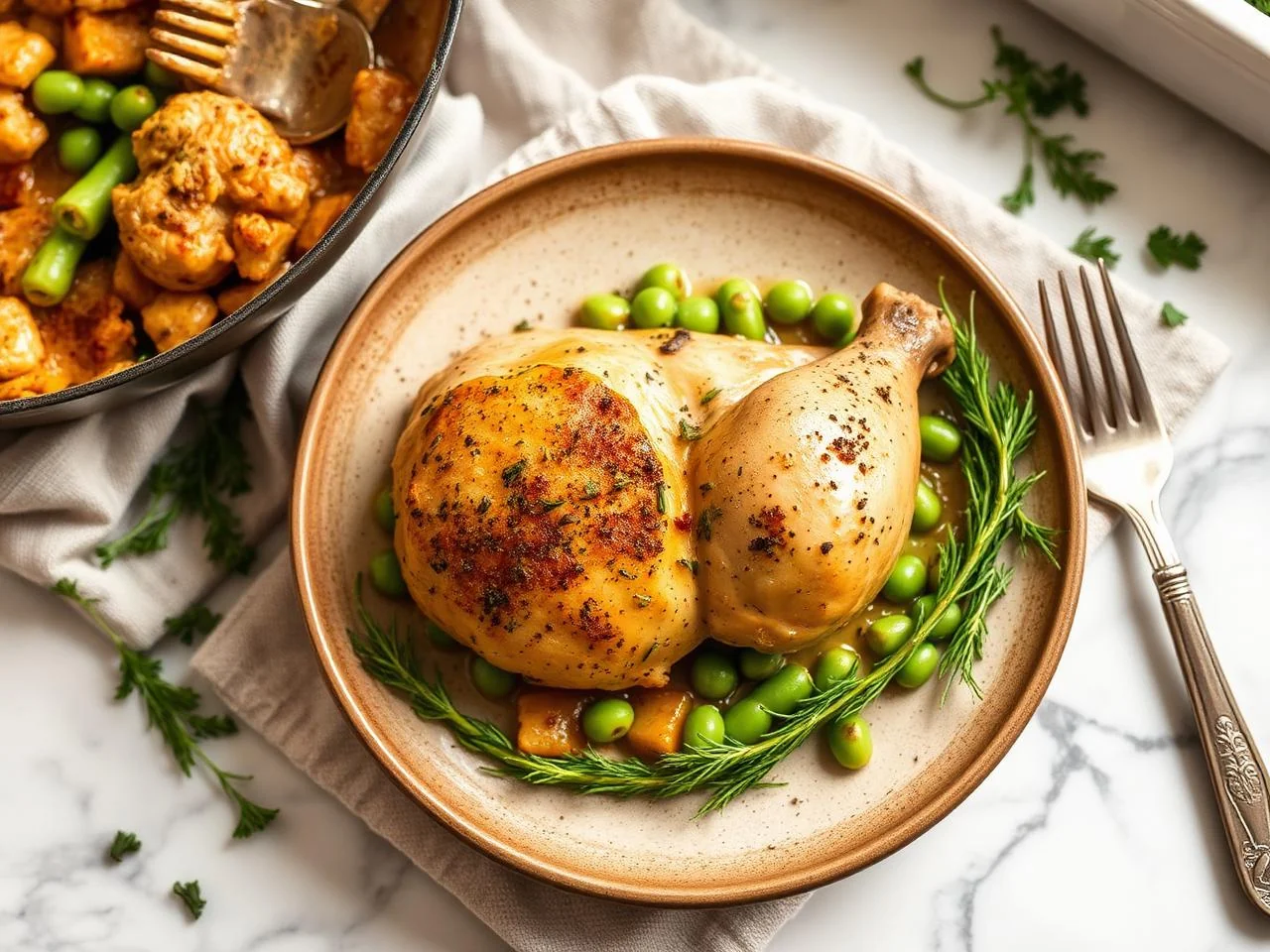
Picture this: I’m halfway through a week of bland take‑out, craving something that feels like a culinary hug. I stumble into the pantry, eyes catching a jar of Cajun seasoning, a block of mozzarella, and a splash of heavy cream. The kitchen lights flicker, the stove hums, and I whisper, “Let’s make the night unforgettable.” That moment is the spark that turned a simple dinner idea into the Cheesy Cajun Garlic Chicken Ro that I’ll share with you today.
The first thing you notice is the aroma—spicy Cajun dust mingling with the rich scent of garlic butter. As the chicken sizzles, the sizzle itself becomes a drumbeat, announcing the start of a flavor symphony. You can almost taste the creamy sauce coating each strand of rotini like velvet, while the melted cheeses create a molten crown that’s impossible to resist. I dare you to taste this and not go back for seconds, because the moment the first bite hits your tongue, you’ll know you’ve hit a new flavor high point.
What makes this version stand out isn’t just the combination of ingredients—it’s the technique. I’ve perfected the way the chicken is seared to lock in juices, the balance of Cajun heat that never overpowers, and the way the cheeses melt into a silky sauce that clings to every noodle. Most recipes get this completely wrong, either by over‑cooking the pasta or under‑seasoning the chicken. I’ve cracked the secret to a sauce that’s thick yet pourable, and a chicken that’s tender without being dry. Picture yourself pulling this out of the skillet, the whole kitchen smelling incredible, and the table filled with eager faces ready to dig in.
And here’s the kicker: the sauce has a surprising twist—just a splash of chicken broth to keep it from drying out, and a dash of garlic powder that amplifies the garlic’s punch without making it overpower. I’ve tested countless variations, and this is hands down the best version you’ll ever make at home. Let me walk you through every single step—by the end, you’ll wonder how you ever made it any other way.
What Makes This Version Stand Out
- Taste: The Cajun seasoning hits with a bold, smoky heat that’s perfectly balanced by the creamy sauce, creating a flavor profile that feels both adventurous and comforting.
- Texture: The chicken stays juicy thanks to a quick sear, while the rotini is al dente, providing a satisfying bite that contrasts with the silky cheese coating.
- Heat Control: The 2 tablespoons of Cajun seasoning are calibrated to give a punch of heat without burning your tongue, making it ideal for both heat lovers and those who prefer a milder bite.
- Cheese Fusion: The trio of mozzarella, Parmesan, and cheddar melts together into a velvety sauce that clings to every strand, giving that “cheesy blanket” effect you crave.
- Time Efficiency: With a prep time of 15 minutes and a cook time of 30 minutes, it’s a quick dinner that doesn’t skimp on flavor.
- Make‑Ahead Friendly: The dish can be prepared ahead of time; just reheat and it’s still as delicious as when first made.
Inside the Ingredient List
The Flavor Base
The Cajun seasoning is the star of the show. It’s a blend of paprika, cayenne, garlic powder, and herbs that brings a smoky, slightly sweet heat. Skipping it would leave the dish bland and forgettable. If you’re a heat‑hater, reduce the amount to 1 tablespoon, but keep the rest of the ingredients to preserve the sauce’s depth.
Garlic cloves, minced or sliced, add a punch that’s unmistakably garlicky. The raw garlic’s sharpness is mellowed by the butter and cream, creating a balanced flavor. If you’re allergic to garlic, a teaspoon of garlic powder can serve as a substitute, but you’ll lose that fresh bite.
Butter is the medium that carries the garlic and Cajun flavors. It creates a silky base that helps the cheese melt evenly. If you’re vegan, a tablespoon of olive oil will work, though the texture will differ slightly.
The Texture Crew
Rotini pasta is chosen for its ridges, which trap the sauce and provide a hearty bite. If you prefer a lighter pasta, switch to fusilli or penne; the sauce will still cling beautifully.
Heavy cream adds richness and body. It balances the heat from the Cajun seasoning and gives the sauce a luxurious mouthfeel. For a lighter version, use half‑and‑half or a skim milk‑cream blend, but be prepared for a slightly thinner sauce.
Chicken broth, though only half a cup, is a secret weapon that keeps the sauce from drying out. It adds a subtle depth of flavor that enhances the overall dish. If you’re low‑sodium, use a low‑salt broth or reduce the amount slightly.
The Unexpected Star
The combination of mozzarella, Parmesan, and cheddar is a cheese trifecta that delivers both meltiness and sharpness. Mozzarella gives stretch and goo, Parmesan adds umami, and cheddar brings a tangy bite. Skipping one of these would diminish the sauce’s complexity.
Fresh parsley is the final flourish—its bright green color and herbaceous note cut through the richness, adding a fresh, almost citrusy lift. If you’re allergic to parsley, a pinch of chives or dill works as a suitable alternative.
Everything’s prepped? Good. Let’s get into the real action.
The Method — Step by Step
- Pat the chicken breasts dry with paper towels—this is the first secret to a crisp sear. Season both sides generously with salt, pepper, and the 2 tablespoons of Cajun seasoning. As the pan heats, you’ll hear the first crackle, the sound of flavor locking in. I dare you to watch the edges start to pull away, a sign that the Maillard reaction is working its magic.
- Heat the 2 tablespoons of olive oil in a large skillet over medium‑high heat until shimmering. Slide the chicken in, letting it sizzle for 3–4 minutes per side until a golden crust forms. If you’re nervous about over‑cooking, use a meat thermometer; the internal temperature should hit 165°F. This is the moment of truth—don’t walk away from the stove here.
- While the chicken rests on a plate, reduce the heat to medium and add 1 tablespoon of butter to the same skillet. Once melted, toss in the minced garlic and sauté for 30 seconds until fragrant. The garlic should release its aroma like a warm hug, but avoid burning it; a burnt bite will ruin the dish.
- Pour in the heavy cream, stirring to deglaze the pan. The sauce should thicken slightly, coating the back of a spoon. Add the 0.5 cup of chicken broth to thin the mixture just enough to coat the pasta. This step is crucial—too thick and the pasta will drown, too thin and the sauce will be watery.
- Stir in the shredded mozzarella, grated Parmesan, and shredded cheddar. The cheeses should melt into a glossy, creamy sauce that clings to the pasta. As they melt, the sauce will turn a golden amber hue. If the sauce seems too runny, let it simmer for an additional minute to reduce.
- Meanwhile, cook the 12 oz of rotini in a large pot of salted boiling water until al dente, about 9 minutes. Drain, reserving a cup of pasta water. This reserved water is a lifesaver if you need to loosen the sauce later.
- Add the cooked rotini to the skillet, tossing to coat each strand in the cheese sauce. If the mixture appears dry, splash in a little reserved pasta water. The sauce should coat the pasta like velvet, and the noodles should be glossy.
- Slice the rested chicken into strips and return them to the skillet, allowing them to mingle with the pasta for a minute so they absorb the sauce. Sprinkle chopped parsley over the top for a burst of color and freshness. Serve immediately, and watch the steam rise like a fragrant cloud.
That’s it—you did it. But hold on, I’ve got a few more tricks that will take this to another level.
Insider Tricks for Flawless Results
The Temperature Rule Nobody Follows
Many cooks over‑heat the pan when adding the cheese, causing the sauce to split. Keep the heat low after the cheeses enter; the residual heat will melt them without scorching. I once tried high heat and ended up with a clumpy sauce—don’t make that mistake.
Why Your Nose Knows Best
Smell the sauce as it simmers. A buttery, garlicky aroma is a sign that the flavors are melding. If it smells flat, let it simmer a bit longer; the aromas will intensify and the dish will taste richer.
The 5‑Minute Rest That Changes Everything
Let the cooked chicken rest for 5 minutes before slicing. This allows the juices to redistribute, ensuring each bite is moist and flavorful. I’ve seen people slice straight away, and the result is dry, uneven pieces.
Cheese Ratio Mastery
The 1:0.5:0.5 ratio of mozzarella, Parmesan, and cheddar creates a balanced melt. If you prefer a sharper taste, increase the cheddar to 0.75 cups. If you want a creamier texture, bump the mozzarella to 1.25 cups.
Parmesan Perfection
Grate Parmesan fresh rather than using pre‑grated. Freshly grated cheese melts better and releases more flavor. A pinch of nutmeg can add a subtle warmth to the cheese blend.
Creative Twists and Variations
This recipe is a playground. Here are some of my favorite ways to switch things up:
Spicy Shrimp Surprise
Swap the chicken for shrimp; cook them in the same skillet for 2 minutes per side. The shrimp’s sweet bite pairs beautifully with the Cajun heat, and the dish feels lighter.
Vegan Version
Replace the chicken with grilled portobello mushrooms, use coconut milk instead of heavy cream, and swap the cheeses for a vegan blend. The result is a hearty, plant‑based dinner that still delivers on comfort.
Gluten‑Free Twist
Use gluten‑free rotini and a low‑sodium chicken broth. The flavors remain intact, and the dish becomes suitable for those with gluten sensitivities.
Breakfast Kick‑Start
Serve the sauce over scrambled eggs and a side of toast for a protein‑packed breakfast. The creamy sauce turns ordinary eggs into a decadent treat.
Holiday Holiday
Add a handful of sautéed spinach or sun‑dried tomatoes for a pop of color and nutrition. The green or red hues make the dish festive and visually appealing.
Low‑Carb Edition
Replace the rotini with spiralized zucchini or shirataki noodles. The dish stays low in carbs while maintaining the creamy, cheesy goodness.
Storing and Bringing It Back to Life
Fridge Storage
Store the dish in an airtight container in the refrigerator for up to 3 days. The sauce will thicken slightly; just stir before reheating.
Freezer Friendly
Pack in a freezer‑safe container and freeze for up to 2 weeks. Thaw overnight in the fridge before reheating to preserve the sauce’s texture.
Best Reheating Method
Reheat on low heat, adding a splash of water or milk to loosen the sauce. Gently stir until warmed through; the pasta will absorb the liquid and regain its silky coating.