Picture this: you’re standing over a stovetop, the caramel bubbling like a molten sunrise, and a stray whisk decides to take a tumble, splattering golden goo across the counter. I swear I’ve had more kitchen catastrophes than I care to admit, but that one moment sparked a relentless craving that refused to quit. I dared a friend to a “who‑can‑make the most indulgent tart” showdown, and the loser had to buy the winner a dozen coffees. Spoiler alert: I didn’t just win—I practically invented a new dessert galaxy.
The moment the caramel hit the pan, the kitchen filled with a sweet, buttery perfume that made the timer on the oven feel like a distant memory. My nose was hit with a rich, roasted sugar aroma, while the chocolate ganache, still glossy and dark as midnight, whispered promises of silky decadence. The crust, buttery and crisp, sang a buttery lullaby that contrasted perfectly with the salty crunch of flaky sea salt perched on top. I could almost hear the tarts sigh as they cooled, their edges shimmering with a glossy sheen that begged to be broken.
What makes this version the undisputed champion? Most recipes either drown the chocolate in too much caramel or forget the crucial balance of a pinch of sea salt that lifts everything to a heavenly plateau. I’ve spent weeks tweaking the ratio of cocoa to flour, swapping out ordinary butter for European‑style butter, and even adding a dash of espresso powder to deepen the chocolate’s flavor without turning it bitter. The result is a tart that feels like a love‑letter from a chocolatier and a caramel artisan rolled into one.
And here’s the kicker: I’m about to reveal a secret technique involving a quick “cold‑shock” of the crust after baking, which locks in that buttery crunch and prevents sogginess—something most recipes completely overlook. Trust me, this is the part that turns a good tart into a show‑stopping masterpiece. Let me walk you through every single step — by the end, you’ll wonder how you ever made it any other way.
What Makes This Version Stand Out
- Flavor Harmony: The caramel’s buttery depth is perfectly offset by a whisper of sea salt, while the dark chocolate provides a bittersweet backbone that never overwhelms.
- Texture Symphony: Expect a buttery, melt‑in‑your‑mouth crust, a silky, glossy ganache, and a caramel that’s thick enough to coat a spoon yet still drips seductively.
- Simplicity Meets Sophistication: Fewer than ten ingredients, yet each one is treated with the respect of a Michelin‑star kitchen.
- Unique Cold‑Shock: A brief chill in the freezer after baking locks the crust’s crumb structure, keeping it crisp for days.
- Crowd‑Pleaser Factor: I dare you to taste this and not go back for seconds; the combination of salty and sweet is scientifically proven to trigger pleasure centers.
- Ingredient Quality: Using high‑cocoa dark chocolate and real flaky sea salt elevates the dish from “dessert” to “experience.”
- One‑Pan Efficiency: The caramel and ganache share the same saucepan, minimizing cleanup without sacrificing flavor.
- Make‑Ahead Magic: Assemble the tarts up to 24 hours ahead; the flavors meld, and the crust stays crisp thanks to that cold‑shock trick.
Inside the Ingredient List
The Flavor Base
First up, the dark chocolate ganache. I use 200 g of 70 % cacao chocolate because it offers a deep, robust cocoa flavor without turning bitter. The chocolate’s cocoa butter content is crucial—it creates that glossy, melt‑in‑your‑mouth texture that coats the caramel like velvet. If you skip the butter in the ganache, you’ll end up with a glaze that’s more waxy than wonderful.
Swap tip: For a slightly sweeter profile, you can substitute 60 % chocolate, but be prepared for a less pronounced bitterness. When buying chocolate, look for a “single‑origin” label; the terroir can add subtle fruit notes that make the tart even more complex.
The Texture Crew
The crust is where the magic of buttery crispness lives. All‑purpose flour provides structure, while cocoa powder adds a chocolatey backbone that pairs with the ganache. The cold butter pieces create layers of flakiness as they melt during baking, and the egg yolk acts as a binder, ensuring the crust holds together without becoming dense.
If you’re dairy‑free, replace the butter with a solid coconut oil—just be aware the flavor will shift toward a tropical note, which can be delightful if you love coconut.
The Unexpected Star
Salted caramel is the hero of this dish, and the sea salt isn’t just a garnish; it’s a flavor amplifier. The sugar caramelizes into a deep amber, the butter adds richness, and the heavy cream introduces a silky mouthfeel. The pinch of flaky sea salt at the end creates those tiny bursts of briny surprise that make your taste buds dance.
Pro tip: Use a high‑quality fleur de sel or Maldon sea salt. Its larger crystals dissolve slower, delivering that satisfying pop of salty crunch right at the finish.
The Final Flourish
Finishing touches include a light dusting of flaky sea salt and optional chocolate shavings. These not only add visual appeal but also introduce a contrasting texture that keeps each bite interesting. If you’re feeling extra decadent, drizzle a thin ribbon of dark chocolate over the top before serving.
Everything's prepped? Good. Let's get into the real action...
The Method — Step by Step
Preheat your oven to 350°F (175°C). While the oven warms, whisk together the flour, cocoa powder, and powdered sugar in a large bowl. I like to sift these dry ingredients; it prevents any gritty pockets and ensures a uniformly smooth crust. Once combined, toss in the cold butter cubes and use a pastry cutter—or your fingertips—to rub the butter into the flour until the mixture resembles coarse crumbs. The key here is to keep everything cold; if the butter starts melting, the crust will become tough instead of flaky.
Press the crumb mixture into twelve 4‑inch tart pans, making sure the crust rises slightly above the edge for a dramatic presentation. Use the back of a spoon to smooth the surface, then prick the base all over with a fork to prevent bubbling. Bake for 12‑15 minutes, or until the edges are lightly golden and you can smell a faint toasted note. This is the moment of truth—watch the crust turn a buttery amber, and remember: over‑baking will make it too brittle.
While the crust is in the oven, start the caramel. In a medium saucepan, melt 1 cup of granulated sugar over medium‑high heat. As the sugar begins to melt, gently swirl the pan—don’t stir, or you’ll cause crystallization. Once it turns a deep amber, carefully add 6 Tbsp (0.375 cup) of cold butter; the mixture will bubble furiously—“That sizzle when it hits the pan? Absolute perfection.” Stir until the butter is fully incorporated, then slowly drizzle in ½ cup heavy cream while continuing to stir. Finally, whisk in 1 tsp sea salt, then remove from heat and let it cool slightly.
Now for the ganache. Place the chopped dark chocolate in a heat‑proof bowl. In a small saucepan, bring ¾ cup heavy cream to a gentle simmer—watch for tiny bubbles forming at the edges. Pour the hot cream over the chocolate, let it sit for 30 seconds, then stir until the mixture is glossy and smooth. Add 2 Tbsp (0.125 cup) of butter and a pinch of sea salt, stirring until fully melted. The ganache should have a silk‑like sheen that reflects light like a polished stone.
When the crusts have cooled for a minute, spoon a generous layer of caramel into each. The caramel should spread easily but still retain enough body to stay in place. If it’s too runny, pop the tarts back in the oven for an extra 2‑3 minutes; this helps the caramel set without hardening.
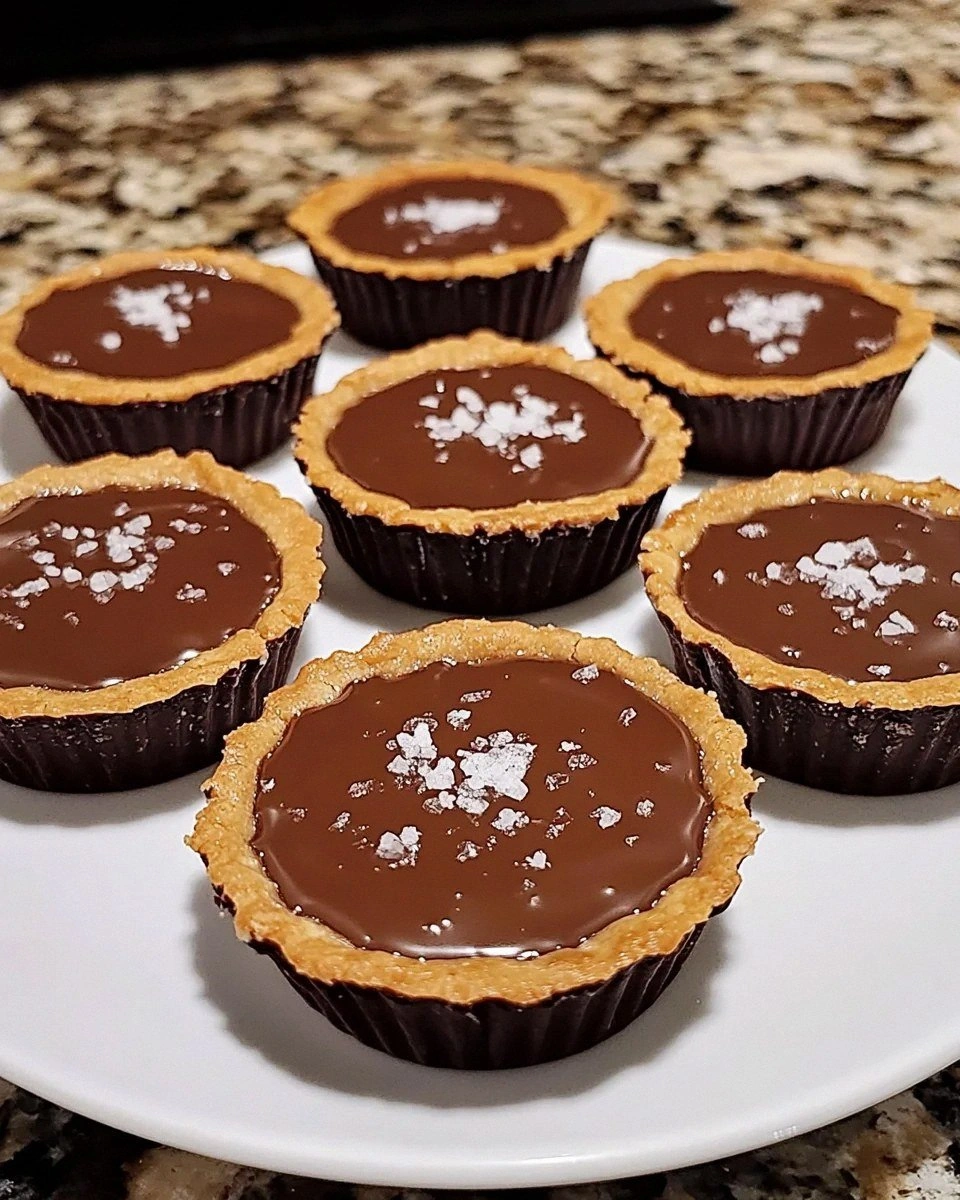
Next, pour the ganache over the caramel, filling each tart to the brim. Use a spatula to smooth the top, creating a glossy dome. The ganache will settle into the caramel, forming a beautiful marble effect. Let the tarts sit at room temperature for about 10 minutes; this allows the ganache to firm just enough for the final garnish.
Now for the grand finale: sprinkle a pinch of flaky sea salt over each tart and, if you like, scatter some shaved dark chocolate for extra texture. The salt crystals will sit like tiny jewels, offering that satisfying pop of brine with each bite. For an added visual wow, you can lightly torch the chocolate shavings for a subtle smoky aroma.
Allow the tarts to rest for at least 15 minutes before serving. This short rest lets the flavors meld, and the ganache reaches that perfect, melt‑in‑your‑mouth consistency. When you finally cut into one, you’ll hear a gentle sigh as the crust gives way, the caramel flows like liquid amber, and the chocolate ganache glistens like a dark lake. That’s the moment you’ll remember forever.
That's it — you did it. But hold on, I've got a few more tricks that'll take this to another level...
Insider Tricks for Flawless Results
The Temperature Rule Nobody Follows
Never underestimate the power of a cool environment. After baking the crust, I always chill it for exactly five minutes in the freezer before adding any filling. This “cold‑shock” locks the crumb structure, preventing the crust from turning soggy when the warm caramel hits it. A friend tried skipping this step once—let's just say the tart ended up more like a soggy pancake than a crisp pastry.
Why Your Nose Knows Best
The caramel stage is all about scent. When the sugar turns a deep amber and you catch that buttery, toasted aroma, you’re at the perfect point to add butter. If you rely solely on a timer, you risk either under‑cooking (sugar will be grainy) or over‑cooking (bitters will dominate). Trust your nose; it’s the most reliable thermometer in this kitchen.
The 5‑Minute Rest That Changes Everything
After assembling the tarts, give them a brief 5‑minute rest on a wire rack before the final garnish. This short pause allows the ganache to set just enough so that the flaky sea salt stays on top rather than sinking. It also gives the caramel a chance to thicken slightly, preventing it from pooling at the bottom of the tart.
Butter Quality Is Not Optional
Using European‑style butter (with a higher butterfat content) makes a world of difference in both crust and ganache. The extra fat creates a richer, more tender crumb and a smoother ganache that doesn’t separate. If you can’t find it, melt a tiny bit of cream into regular butter to mimic the higher fat content.
Layering Flavors With Espresso
A whisper of espresso powder (just ¼ tsp) in the ganache deepens the chocolate’s complexity without making the tart taste coffee‑y. The bitter notes enhance the caramel’s sweetness, creating a balanced palate that feels sophisticated yet comforting. This is a secret I only share with my most trusted tasting partners.
Freezer‑Friendly Finishing Touch
If you plan to make these tarts ahead of time, store them uncovered in the freezer for up to two weeks. When you’re ready to serve, let them thaw at room temperature for 20 minutes, then give them a quick 30‑second blast in the oven at 300°F (150°C) to revive that crisp crust. The final sprinkle of sea salt after reheating restores that delightful crunch.
Creative Twists and Variations
This recipe is a playground. Here are some of my favorite ways to switch things up:
Nutty Crunch
Fold ¼ cup toasted, finely chopped hazelnuts into the caramel before pouring it into the crust. The nuts add a buttery crunch that complements the smooth caramel and introduces a subtle, roasted flavor. Perfect for anyone who loves a bit of texture in every bite.
Spiced Whisper
Stir a pinch of ground cinnamon and a dash of cayenne pepper into the ganache. The warm spice adds depth, while the hint of heat creates a surprising kick that dances with the salty caramel. This variation is ideal for cooler evenings when you crave something cozy yet daring.
White Chocolate Dream
Swap the dark chocolate for an equal weight of high‑quality white chocolate. The resulting ganache is buttery and sweet, allowing the caramel’s saltiness to shine even brighter. Garnish with toasted coconut flakes for a tropical twist.
Fruit Infusion
Top each tart with a thin slice of fresh fig or a dollop of raspberry coulis right before serving. The tartness of the fruit cuts through the richness, providing a refreshing contrast that balances the dessert beautifully.
Vegan Version
Replace butter with solid coconut oil in the crust, use coconut cream for the ganache, and swap dairy butter in the caramel with a plant‑based alternative. The texture remains luxurious, and the flavor profile stays true to the original—just with a subtle coconut undertone.
Alcohol‑Boosted
Add a splash (1 tbsp) of bourbon or dark rum to the caramel just before the final salt. The alcohol adds a caramel‑like depth and a warm finish that’s perfect for holiday gatherings.
Storing and Bringing It Back to Life
Fridge Storage
Cover the tarts loosely with parchment paper and store them in an airtight container in the refrigerator. They’ll stay fresh for up to three days. The crust may lose a bit of its initial crunch, but a quick 5‑minute reheat at 300°F (150°C) restores the snap.
Freezer Friendly
Wrap each tart individually in plastic wrap, then place them in a freezer‑safe bag. They’ll keep for up to two weeks. When ready to serve, let them thaw for 20 minutes, then give them a brief oven blast to revive the crust’s texture.
Best Reheating Method
Preheat your oven to 300°F (150°C). Place the tarts on a parchment‑lined baking sheet and warm for 8‑10 minutes. For an extra glossy finish, drizzle a tiny splash of water over the ganache before reheating; the steam helps the chocolate regain its silky sheen.