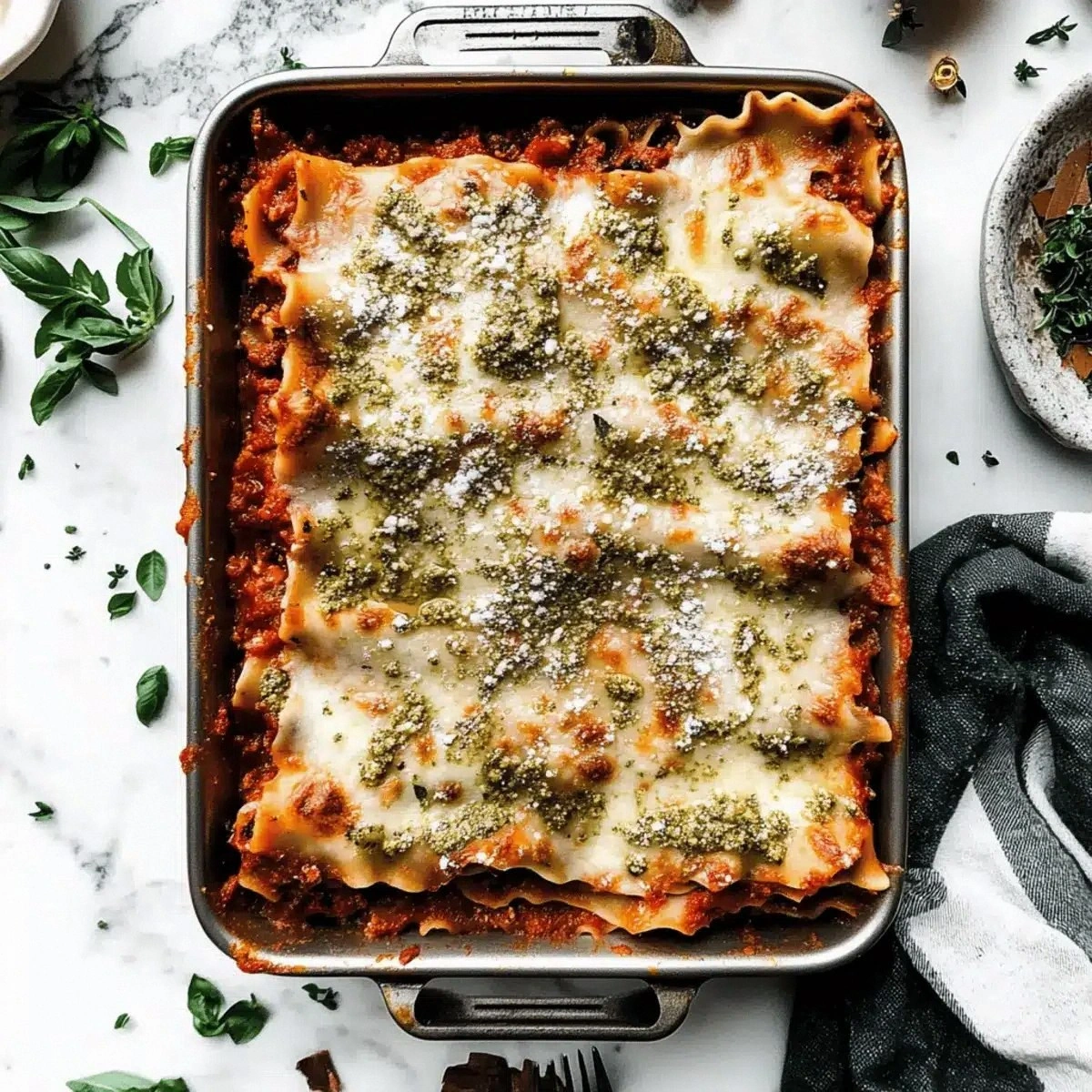
I was standing in my kitchen on Christmas Eve, the clock ticking toward midnight, when the oven let out a sigh and the whole thing went dark. I stared at the blackened interior, half‑laughing, half‑panicking, because the only thing that could save the night was a dish that could fill the silence with the sound of bubbling cheese and the aroma of a holiday feast. That moment of culinary catastrophe sparked a daring challenge: could I craft a lasagna so festive, so comforting, that even the Grinch would line up for a second helping? The answer? Absolutely, and I’m about to spill every secret.
Picture this: a golden‑brown crust that crackles like fresh snow underfoot, layers of sauce that coat the pasta sheets like velvet, and a cheesy center that stretches like a warm hug from Aunt Marge. The kitchen fills with the scent of simmering tomatoes, a whisper of red wine, and the earthy sweetness of carrots and onions dancing together. You hear the faint pop of the oven’s fan, the occasional clink of a wooden spoon, and the soft murmur of family members gathering around, eyes wide with anticipation. Your fingertips feel the heat radiating from the pan, and your taste buds are already rehearsing the chorus of flavors that’s about to hit.
Most lasagna recipes I’ve tried either drown the noodles in a soggy sea of sauce or leave the cheese feeling lonely on top. This version flips the script by marrying a classic meat ragù with a silky milk‑infused béchamel, then sneaking in a spoonful of basil pesto for that unexpected pop of herbaceous brightness. I’m not just talking about good; I’m talking about the best version you’ll ever make at home, hands down. It’s a harmony of textures—crunchy edges, creamy middle, and tender noodles—all wrapped up in a festive spirit that screams Christmas Eve.
And here’s the kicker: I’m going to reveal the secret technique that turns a regular sauce into a glossy, restaurant‑quality masterpiece—something you’ll only see in the kitchens of top chefs. Trust me, you’ll be daring yourself to taste this and not go back for seconds. Let me walk you through every single step — by the end, you’ll wonder how you ever made it any other way.
What Makes This Version Stand Out
- Depth: The double‑meat blend of beef and pork gives a richness that a single meat can’t match, creating layers of flavor that deepen with each bite.
- Silkiness: A splash of whole milk in the sauce softens the acidity of the tomatoes, resulting in a sauce that feels like a warm blanket.
- Herbal Burst: Basil pesto woven into the ricotta adds a fresh, green note that cuts through the heaviness, keeping the palate excited.
- Texture Play: The combination of perfectly al‑dente noodles, creamy ricotta, and a crisp Parmesan topping creates a mouthfeel that’s both comforting and exciting.
- Ease: Despite its gourmet vibe, the recipe uses pantry staples and a straightforward assembly method that even a kitchen newbie can master.
- Make‑Ahead Magic: Assemble the night before, pop it in the oven on Christmas morning, and you’ll have a stress‑free centerpiece that’s ready when the guests arrive.
- Crowd‑Pleaser: The balance of meat, cheese, and herb makes it a hit for kids, carnivores, and even the picky eaters who usually dodge Italian food.
- Seasonal Spirit: A splash of red wine and a hint of nutmeg in the béchamel whisper holiday nostalgia without overpowering the dish.
Inside the Ingredient List
The Flavor Base
The foundation of any great lasagna is its sauce, and here we start with a classic mirepoix: onion, carrot, and garlic. The onion provides sweetness, the carrot adds an earthy undertone, and the garlic injects that unmistakable aromatic punch. If you skip the carrot, you’ll notice a missing depth that makes the sauce feel a little flat. For a gluten‑free twist, you can swap the carrot for finely diced celery, but keep the same volume.
Next up, the San Marzano tomatoes. These are the gold standard because they’re less acidic and have a natural sweetness that balances the meat. Using regular canned tomatoes can make the sauce too sharp, so if you’re in a pinch, add a pinch of sugar to mimic the San Marzano’s mellow profile. I always buy them whole and crush them by hand for that rustic texture.
The Protein Powerhouse
A pound of ground beef combined with a pound of ground pork creates a perfect meat symphony. Beef brings that robust, beefy backbone, while pork adds a subtle fattiness that keeps the ragù from drying out. If you’re aiming for a leaner version, replace half the pork with ground turkey, but expect a slight loss in richness.
Red wine isn’t just for show; it deglazes the pan, lifts the fond, and adds a deep, fruity undertone that sings when combined with the tomatoes. Choose a dry Italian red—Chianti or Barolo works wonders. If you’re avoiding alcohol, substitute with beef broth plus a splash of balsamic vinegar.
The Creamy Crew
Ricotta cheese is the heart of the creamy layer, offering a mild, slightly grainy texture that balances the robust meat. Mixing in two eggs helps bind the ricotta, preventing it from weeping during baking. If you’re dairy‑intolerant, substitute with a blend of silken tofu and nutritional yeast for a similar texture.
Basil pesto isn’t just a garnish; it’s folded into the ricotta to give each bite a burst of herbaceous brightness. The nutty pine nuts and aromatic basil cut through the richness, making the lasagna feel lighter. If you don’t have pesto on hand, blitz fresh basil, garlic, olive oil, and a handful of Parmesan for a quick version.
The Final Flourish
Parmesan cheese is the crowning glory, providing a salty, umami‑packed crust that turns golden and crispy in the oven. Sprinkle it generously between layers and on top for that irresistible crunch. Freshly grated Parmesan melts better than pre‑grated, so I always grate it by hand.
Salt and pepper are the silent conductors, coaxing out the flavors hidden in every ingredient. Don’t be shy—taste as you go. A pinch of freshly cracked pepper at the end adds a subtle heat that lingers on the palate.
Everything's prepped? Good. Let's get into the real action...
The Method — Step by Step
Heat a large Dutch oven over medium‑high heat and add a drizzle of olive oil. Toss in the diced onion, carrot, and minced garlic, sautéing until the vegetables turn translucent and you can hear a faint sizzle—this is the aroma foundation. I dare you to taste this and not go back for seconds; the sweetness is already dancing. Once softened, add the ground beef and pork, breaking them up with a wooden spoon. Cook until the meat loses its pink hue and starts to brown, about 8‑10 minutes.
Kitchen Hack: Sprinkle a pinch of salt while browning the meat; it helps draw out moisture, giving you a richer, less watery ragù.Deglaze the pan with the cup of red wine, letting it bubble and reduce by half—this is where the magic starts. The wine will lift all the caramelized bits (fond) from the bottom, turning them into flavor gold. Add the two cans of San Marzano tomatoes, crushing them with your hands or a spoon as they hit the pan. Stir in a generous pinch of salt, a grind of black pepper, and a pinch of dried oregano. Let the sauce simmer gently for 20‑25 minutes, stirring occasionally, until it thickens and the flavors meld.
While the sauce simmers, bring a large pot of salted water to a rolling boil. Drop the lasagna noodles in, cooking just until al‑dente—about 2 minutes less than the package suggests. This prevents them from turning mushy during the bake. Drain and lay them flat on a clean kitchen towel to avoid sticking. I like to toss them with a drizzle of olive oil; it keeps them supple and adds a subtle richness.
In a separate bowl, combine the ricotta, two eggs, and the cup of basil pesto. Mix until smooth, then fold in half of the grated Parmesan. The eggs act as a binder, ensuring the ricotta layer stays firm and doesn’t ooze out. Season with a pinch of salt and pepper, then set aside. This mixture is the creamy heart that will surprise every bite.
Preheat your oven to 375°F (190°C). Lightly butter a 9×13‑inch baking dish—this adds flavor and helps the lasagna release cleanly after baking. Spread a thin layer of the meat sauce on the bottom, just enough to coat the surface. Place three lasagna noodles on top, overlapping slightly.
Kitchen Hack: Use a spoon to spread the sauce in a thin, even layer—this prevents dry spots later.Now comes the layering—this is the part where the fun truly begins. Spoon half of the ricotta‑pesto mixture over the noodles, spreading it gently. Follow with a generous ladle of meat sauce, then sprinkle a handful of the remaining Parmesan. Repeat the layers: noodles, ricotta, sauce, Parmesan. Finish with the final three noodles, the remaining meat sauce, and a lavish blanket of Parmesan on top. The top should look like a snowy peak ready to melt into a cheesy avalanche.
Watch Out: Don’t over‑sauce the final layer; too much liquid can make the lasagna soggy when it rests.Cover the dish tightly with foil—shiny side down—and slide it into the preheated oven. Bake for 25 minutes, then remove the foil to let the cheese turn a deep, caramel‑gold. Continue baking for another 15‑20 minutes, or until the edges pull away from the pan and the top is bubbling with crisped Parmesan. The scent at this point is pure holiday magic; you’ll hear the faint crackle of cheese as it browns.
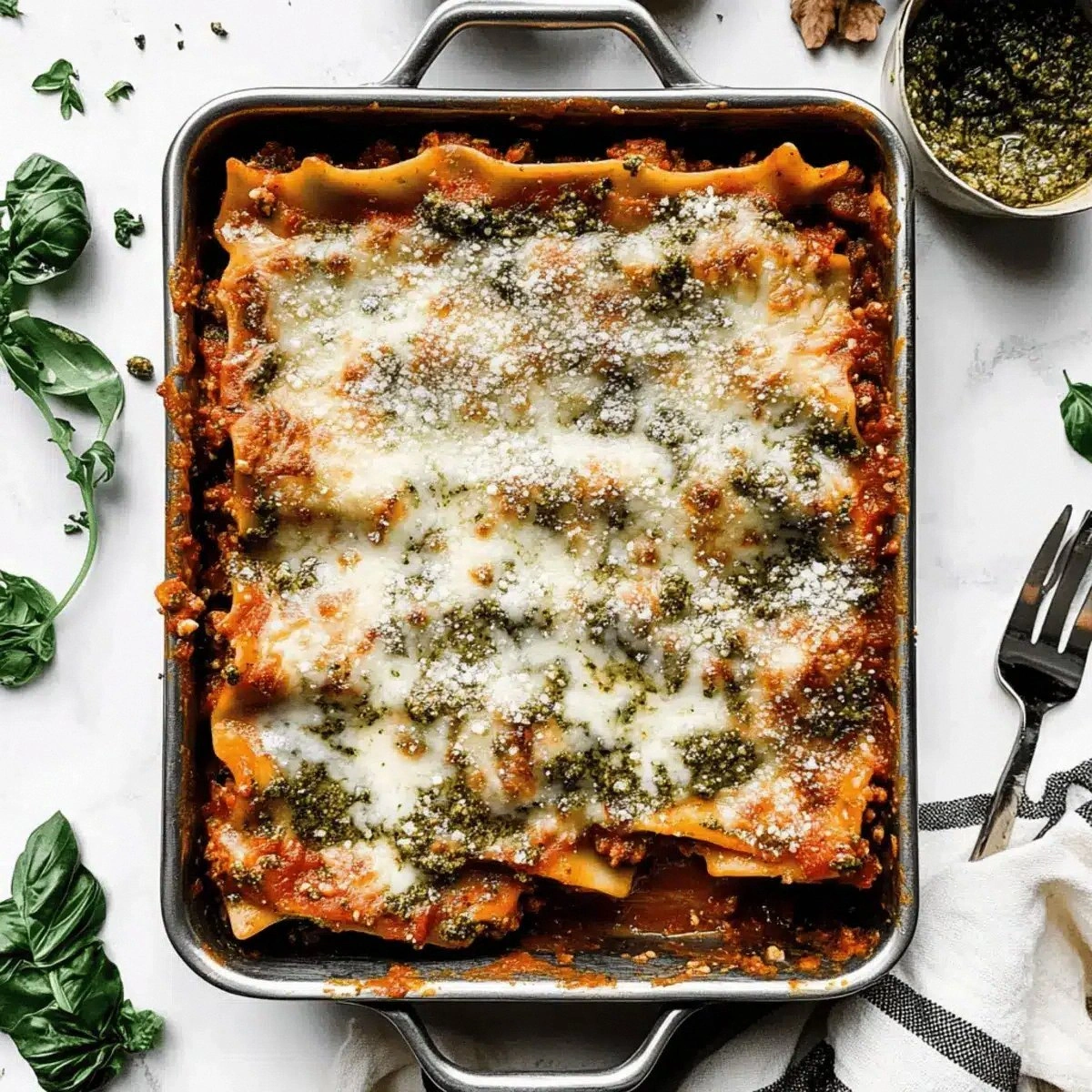
Once the lasagna reaches that perfect golden hue, pull it out and let it rest for at least 10 minutes. This rest period allows the layers to set, making slicing clean and preventing the sauce from spilling everywhere. Use a sharp, heated knife for each cut—this ensures neat squares that hold their shape.
Serve hot, garnished with a sprinkle of fresh basil leaves and an extra dusting of Parmesan if you’re feeling indulgent. Pair with a crisp green salad and a glass of the same red wine you used in the sauce. Picture yourself pulling this out of the oven, the whole kitchen smelling incredible, and the first bite melting like a holiday memory. That’s the moment of truth, and you’ve nailed it.
That's it — you did it. But hold on, I've got a few more tricks that'll take this to another level...
Insider Tricks for Flawless Results
The Temperature Rule Nobody Follows
Never bake a lasagna straight from the fridge at a high temperature. Let the assembled dish sit at room temperature for 20‑30 minutes before it hits the oven. This small step ensures the noodles cook evenly and the sauce doesn’t seize up. I once rushed it and ended up with a soggy center—lesson learned.
Why Your Nose Knows Best
When the sauce is simmering, trust your nose more than the clock. You’ll know it’s ready when it smells sweet, slightly caramelized, and you can almost taste the wine’s fruit. If the aroma feels flat, let it reduce a bit longer. This sensory checkpoint is the secret behind a sauce that coats the pasta like silk.
The 5‑Minute Rest That Changes Everything
After baking, resist the urge to dive in immediately. Let the lasagna rest for exactly five minutes—no more, no less. During this time, the cheese firms up and the juices redistribute, giving you clean slices that hold together. A friend tried skipping this step once — let's just say the plate looked like a crime scene.
Egg‑Binding Mastery
Mix the eggs into the ricotta just until they’re combined. Over‑mixing can make the layer too airy, leading to pockets of air that burst during baking. The goal is a smooth, slightly thickened mixture that stays put.
Seasonal Spice Whisper
A pinch of freshly grated nutmeg in the béchamel (or milk‑infused sauce) adds a subtle holiday warmth without being overt. It’s the culinary equivalent of a silent night—present but not in-your-face.
Crisp Edge Strategy
For those who love an extra‑crunchy top, broil the lasagna for the last 2‑3 minutes. Keep a close eye; the cheese can go from golden to burnt in seconds. The result is a crust that shatters like thin ice when you cut into it.
Creative Twists and Variations
This recipe is a playground. Here are some of my favorite ways to switch things up:
Mushroom‑Merry
Swap half the meat for a medley of sautéed cremini, shiitake, and porcini mushrooms. The earthy umami pairs beautifully with the pesto, creating a vegetarian‑friendly version that still feels hearty.
White‑Wine Wonder
Replace the red wine with an equal amount of dry white wine and add a teaspoon of lemon zest to the sauce. This brightens the flavor profile, making it perfect for a lighter holiday palate.
Spicy Sleigh Ride
Add a pinch of red pepper flakes to the meat sauce and a dash of smoked paprika to the ricotta mixture. The subtle heat cuts through the richness, giving the dish a festive kick.
Cheesy Overload
Mix in a cup of shredded mozzarella with the Parmesan for a gooier, stretchier top layer. If you love cheese pulls, this is the variation for you.
Herb‑Infused
Swap the basil pesto for a spinach‑artichoke spread. The green hue adds visual appeal, and the tangy artichoke flavor brings a Mediterranean twist.
Storing and Bringing It Back to Life
Fridge Storage
Let the lasagna cool completely, then cover tightly with foil or plastic wrap. It will keep for up to 4 days in the refrigerator. When ready to reheat, preheat the oven to 350°F (175°C), add a splash of water around the edges, cover with foil, and bake for 20‑25 minutes until hot.
Freezer Friendly
Assemble the lasagna, cover tightly with two layers of foil, and freeze flat. It freezes beautifully for up to 3 months. To bake from frozen, increase the oven time by 20 minutes and keep it covered for the first 30 minutes, then uncover for the final browning.
Best Reheating Method
For a crisp top, reheat uncovered for the last 5 minutes of the process. Adding a tiny splash of water (about 2 tablespoons) around the perimeter creates steam that revives the sauce without drying it out. This trick turns leftovers into a fresh‑out‑of‑the‑oven experience.