Picture this: I’m halfway through a busy work week, craving something that feels like a vacation in a bowl. I stumble across a recipe that promises “Creamy Tuscan Shrimp” and instantly my stomach does a little dance. The moment the sizzling pan meets the garlic, the kitchen fills with a caramelized aroma that feels like a warm hug from the Mediterranean. That instant burst of flavor is the kind that turns a regular dinner into a moment of pure bliss. I know I’m about to rewrite the rules of shrimp cooking, so buckle up for a ride that will leave your taste buds cheering.
We’re not just talking about any shrimp dish; this version is a game‑changer that balances smoky paprika, sun‑kissed tomatoes, and creamy spinach in a way that feels both indulgent and surprisingly light. The shrimp is seared to a perfect pink, the sauce thickens into a velvet coating, and the artichokes add a subtle, almost sweet crunch. My friends swear they couldn’t stop asking for seconds after the first bite—yes, I dare you to taste this and not go back for seconds. The secret? A touch of smoked paprika that lingers, a splash of heavy cream that glazes, and a final squeeze of lemon that brightens everything. By the end of this guide, you’ll wonder how you ever cooked shrimp the old way.
If you’ve ever struggled to get the right balance of salt and heat, or if you’ve tried to replicate a restaurant favorite only to end up with a watery mess, you’re not alone. This recipe is designed to avoid those pitfalls with clear, confident instructions. I’ll walk you through each step, from the first sear to the last stir, ensuring you capture the exact textures and flavors that make this dish stand out. And trust me, the moment you taste the creamy sauce, you’ll feel like you’ve unlocked a new level of culinary mastery.
Let’s dive in. By the time you finish cooking, you’ll have a dish that feels like a vacation and a recipe that’s so easy, you’ll want to make it again tomorrow. Stay with me—this is worth it.
What Makes This Version Stand Out
- Flavor: The smoky paprika and sun‑dried tomatoes create a depth of flavor that feels like a Mediterranean sunset. The creamy sauce coats each shrimp, delivering a luscious mouthfeel. The lemon finish brightens the dish, cutting through the richness. This balance keeps every bite exciting and not overwhelming. The result is a sauce that feels both indulgent and refreshing.
- Texture: The shrimp are seared to a slightly crispy edge while staying tender inside. The spinach adds a subtle snap that contrasts the silky sauce. The artichokes provide a chewy bite that breaks up the creaminess. Together, these textures create a dynamic eating experience. You’ll notice the difference from plain sautéed shrimp.
- Ingredient Quality: Using fresh, high‑quality shrimp and sun‑dried tomatoes elevates the dish. The smoked paprika adds a subtle heat without overpowering the delicate flavors. The heavy cream is thick and rich, ensuring a velvety sauce. Each ingredient is chosen to complement the others, resulting in a harmonious plate. The quality of the components directly translates to the final taste.
- Speed: Despite its gourmet feel, the recipe takes less than an hour from start to finish. The searing and sauce creation happen concurrently, saving valuable time. Even if you’re new to cooking, the method is straightforward. You’ll finish in no time, yet feel like you’ve just served a five‑star restaurant dish. It’s perfect for busy weeknights.
- Versatility: The dish works beautifully over pasta, rice, or even as a protein‑rich topping for a salad. You can swap shrimp for chicken or scallops if you prefer. The sauce can be made ahead and reheated without losing its quality. This flexibility makes it suitable for various occasions. It’s a reliable go‑to for any dinner plan.
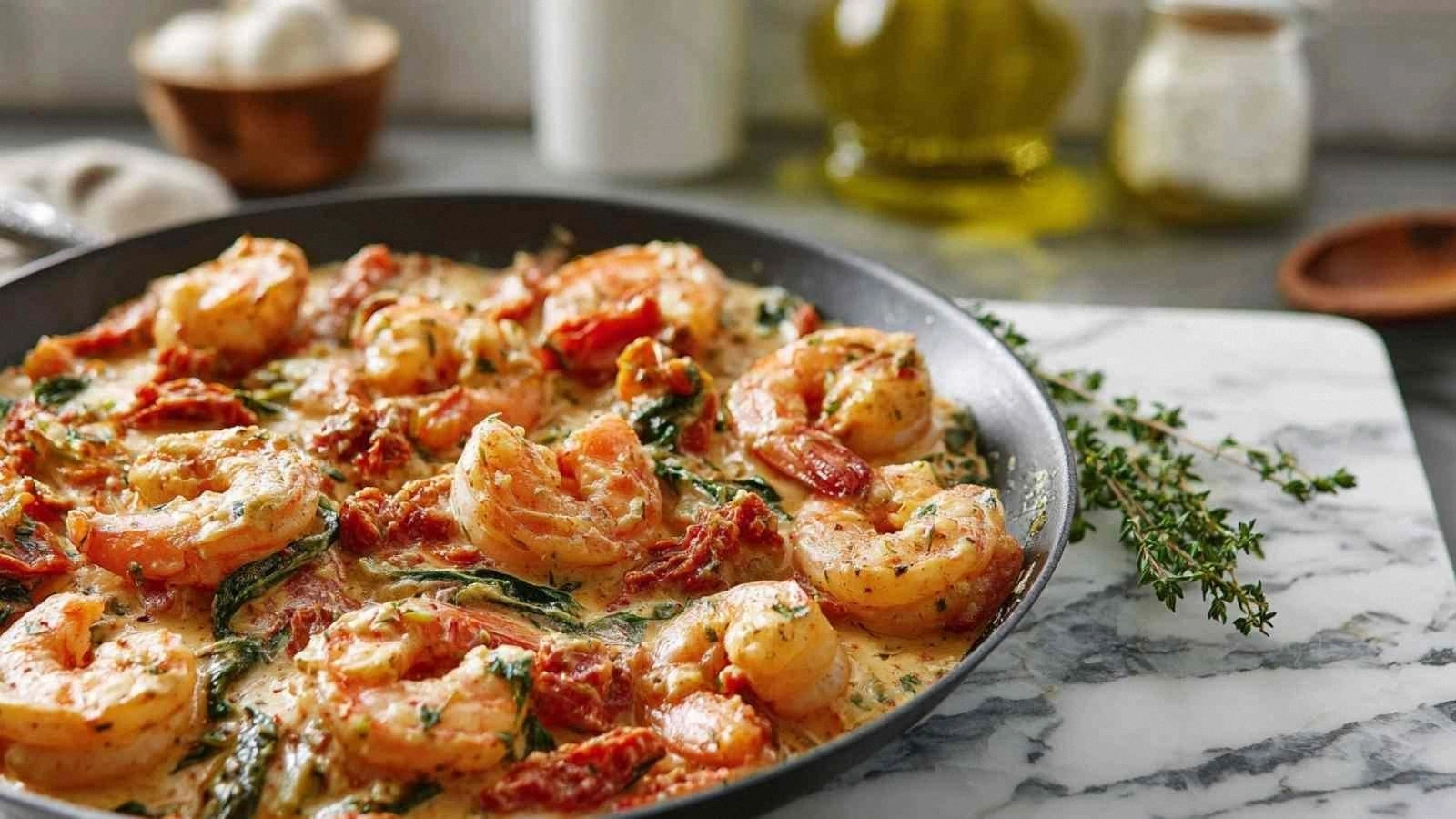
- Presentation: The vibrant colors of the sun‑dried tomatoes and spinach make the dish visually stunning. A drizzle of olive oil and a sprinkle of fresh herbs finish it off. The shrimp’s caramelized edges add a rustic charm. The dish looks as good as it tastes, making it a crowd‑pleaser at dinner parties. Visual appeal is a bonus you often overlook.
- Health‑Friendly: While it’s rich, the dish balances healthy fats from olive oil and omega‑3s from shrimp. The spinach adds vitamins and minerals, and the tomatoes bring antioxidants. The heavy cream is used sparingly, keeping the calorie count moderate. You get a comforting meal that doesn’t compromise on nutrition. It’s a win for both taste and wellness.
Alright, let’s break down exactly what goes into this masterpiece…
Inside the Ingredient List
The Flavor Base
At the heart of this dish lies a blend of smoked paprika, Italian seasoning, salt, and black pepper. The smoked paprika gives the sauce a subtle smokiness that feels like a campfire in your kitchen. Italian seasoning brings herbs like oregano and basil, adding depth without overwhelming the shrimp. Salt balances the flavors and enhances the natural sweetness of the shrimp. Black pepper adds a gentle heat that awakens the palate. Together, they form a symphony that sets the stage for the rest of the ingredients.
Using fresh, high‑quality spices makes a noticeable difference. Ground spices should be added at the beginning of cooking to allow their flavors to bloom. If you prefer a milder heat, reduce the smoked paprika to half a teaspoon. The key is to taste as you go, adjusting the seasoning to suit your palate. This base is the foundation that keeps every component in harmony.
These spices are the backbone of the dish, but they also offer flexibility. For a different twist, try adding a pinch of cayenne for a subtle kick. If you’re sensitive to salt, use a low‑sodium seasoning blend. The spices can be tweaked to fit dietary preferences. The flavor base is forgiving, so feel free to experiment while keeping the overall balance.
Remember, the quality of the spices can make or break the dish. Freshly ground spices have a brighter, more vibrant flavor than pre‑ground ones. Store them in a cool, dark place to preserve their potency. When you’re in doubt, taste a small pinch to gauge intensity. This small step ensures the dish hits the right notes.
When you’re ready to season, do so just before searing the shrimp. This timing locks in the flavors and prevents the spices from becoming bitter. The result is a sauce that sings with every bite. It’s a simple yet powerful way to elevate the dish.
The Texture Crew
Texture is what turns a good dish into a memorable one. The shrimp’s natural firmness, when seared, offers a delightful contrast to the silky sauce. Sun‑dried tomatoes add a chewy bite that pops with each mouthful. Artichoke hearts bring a subtle, almost sweet chewiness that balances the creaminess. Fresh spinach provides a tender, slightly wilted feel that melts into the sauce. Each ingredient contributes a unique mouthfeel that keeps you engaged.
The shrimp should be trimmed and deveined before cooking. This step ensures a clean, professional look. Pat them dry to avoid excess moisture, which can prevent proper searing. The shrimp’s natural pink hue will be a visual cue that they’re cooked just right. A quick flip halfway through ensures even cooking and a uniform texture.
Sun‑dried tomatoes are best soaked in warm water for a few minutes before adding them. This rehydrates them slightly, reducing their acidity and making them easier to incorporate into the sauce. They also release their sweet flavor into the mixture. If you prefer a more intense tomato flavor, leave them whole. The choice is yours, but the texture will differ accordingly.
Artichoke hearts can be found jarred or canned. Rinse them under cold water to remove excess brine. This step prevents the dish from becoming overly salty. The hearts’ tender texture is a pleasant contrast to the shrimp’s firm bite. They also absorb the sauce’s richness, making each bite more cohesive. The artichokes add a subtle earthiness that complements the overall flavor profile.
Spinach should be added towards the end of cooking. This preserves its vibrant green color and prevents it from becoming mushy. A quick wilt ensures it remains crisp and fresh. The spinach’s mild flavor and slight bitterness balance the creaminess of the sauce. The combination of textures makes each bite exciting and satisfying.
The Unexpected Star
Heavy cream is the star that ties everything together. Its richness coats the shrimp and the vegetables, creating a silky, velvety sauce that feels indulgent. The cream’s fat content helps carry the flavors, allowing the paprika and tomatoes to shine through. When heated gently, it thickens without curdling, giving the dish a luxurious mouthfeel. The cream is the secret to that luxurious, restaurant‑style finish.
To avoid a lumpy sauce, bring the cream to a low simmer before adding it to the pan. Stir continuously to ensure even distribution. If the sauce appears too thick, add a splash of pasta water or broth to loosen it slightly. This technique keeps the sauce smooth and glossy. The heavy cream also helps bind the ingredients together, ensuring a cohesive dish.
While heavy cream adds richness, it’s also high in calories. If you’re watching your intake, consider substituting half the cream with Greek yogurt or a lighter milk. This swap keeps the sauce creamy but reduces the calorie count. The texture will be slightly different, but the flavor remains robust. Experimenting with different dairy options can give the dish a new twist.
Heavy cream also works well with the other ingredients. It pairs beautifully with the smoky paprika and sun‑dried tomatoes, creating a harmonious blend. The cream’s neutral base allows the herbs to shine without overpowering them. It’s a versatile ingredient that adapts to various flavor profiles. In this recipe, it’s the perfect vehicle for the other components.
When you’re ready to add the cream, do so after the shrimp have browned and the aromatics have released their fragrance. This timing ensures the sauce develops its full flavor. Keep the heat low to avoid scorching. The result is a smooth, luscious coating that clings to every piece of shrimp.
The Final Flourish
Finishing touches bring the dish to life. A squeeze of fresh lemon juice brightens the sauce, cutting through the richness. Fresh parsley adds a pop of color and a hint of earthiness. A dash of grated Parmesan gives a savory depth that rounds out the flavors. These final touches elevate the dish from good to unforgettable. They’re the small details that make a big difference.
When adding lemon, do so at the very end of cooking. This preserves its bright, citrusy notes and prevents bitterness. The lemon also helps emulsify the sauce, giving it a slightly glossy sheen. If you’re sensitive to acidity, reduce the amount or use a milder citrus like orange. The key is to balance the flavors without overwhelming the dish.
Fresh parsley adds a burst of color and a subtle herbal note. Sprinkle it on top just before serving to keep its vibrant green hue. The parsley’s mild flavor complements the other ingredients without dominating them. It also adds a fresh, almost grassy aroma that enhances the overall experience. The visual appeal of the parsley makes the dish look more appetizing.
Parmesan, when grated finely, melts into the sauce, adding a nutty, savory layer. It also helps thicken the sauce slightly, creating a richer mouthfeel. Use a high‑quality Parmesan for the best flavor. If you’re lactose intolerant, consider a vegan Parmesan alternative. The choice doesn’t compromise the dish’s overall quality.
These finishing touches are the final brushstroke on a masterpiece. They add depth, brightness, and visual appeal. The dish becomes a symphony of flavors and textures, ready to be served. Each bite is a celebration of culinary craftsmanship.
Everything’s prepped? Good. Let’s get into the real action…
The Method — Step by Step
- First, pat the shrimp dry with paper towels to remove excess moisture. This step ensures a crisp sear and prevents the pan from steaming. Season both sides with smoked paprika, Italian seasoning, salt, and black pepper, letting the flavors penetrate. Toss gently to coat evenly. The aroma of the spices will begin to fill the kitchen, signaling the start of something special.
- Heat a large skillet over medium‑high heat and add 2 tablespoons of olive oil. Once the oil shimmers, add the shrimp in a single layer, making sure not to overcrowd the pan. Sear for about 2 minutes on each side until they develop a golden crust and a slightly firm center. Flip them carefully with tongs to preserve the sear. The shrimp should be pink and opaque, indicating they’re ready.
- Remove the shrimp from the skillet and set them aside on a plate. In the same pan, add the minced garlic and sauté for about 30 seconds until fragrant. The garlic should release its aroma without turning brown. This step infuses the oil with a deep, savory base that will carry through the sauce. Keep an eye on the garlic to avoid bitterness.
- Stir in the sun‑dried tomatoes and cook for 1‑2 minutes, allowing them to soften slightly. The tomatoes will release their sweet, tangy juices, creating a flavorful sauce base. The color will shift from deep red to a warm, inviting hue. This is the moment where the sauce starts to take shape, and the kitchen smells like a Tuscan summer.
- Add the artichoke hearts to the skillet, stirring to combine with the tomatoes and garlic. Cook for another minute, letting the flavors mingle. The artichokes will absorb some of the tomato juices, becoming tender yet retaining their bite. The mixture should look glossy and aromatic. This step adds a subtle earthiness to the dish.
- Pour in 1 cup of heavy cream, lowering the heat to medium. Stir constantly to prevent the cream from scorching. The sauce will begin to thicken, coating the pan in a silky sheen. Taste the sauce; it should be rich yet balanced, with a hint of smokiness from the paprika. Adjust the seasoning if needed, adding a pinch more salt or pepper.
- Return the seared shrimp to the skillet, tossing them gently to coat with the creamy sauce. Add the fresh spinach, letting it wilt into the mixture over 2 minutes. The spinach will release its moisture, helping to loosen the sauce slightly. The shrimp should be fully coated, and the spinach should be bright green. This final stir brings all components together.
- Finish the dish by squeezing fresh lemon juice over the shrimp and sprinkling chopped parsley and grated Parmesan. The lemon adds brightness, while the parsley brings a fresh herbal note. The Parmesan adds a savory depth that rounds out the flavors. Give everything a final gentle toss, ensuring the lemon juice is evenly distributed. The dish should look glossy and appetizing.
- Serve immediately over your choice of pasta, rice, or a bed of crisp greens. Garnish with extra Parmesan or a drizzle of olive oil if desired. The dish should feel light yet indulgent, with a perfect balance of smoky, sweet, and savory. Enjoy the moment of triumph as you taste the culmination of your effort. You’ve just created a culinary masterpiece.
Insider Tricks for Flawless Results
The Temperature Rule Nobody Follows
Cooking shrimp at the right temperature is essential. Too low, and the shrimp will steam; too high, and they’ll burn. The secret is medium‑high heat for a quick sear, then medium for the sauce. Keep the pan hot enough that the shrimp sizzles on contact. This creates a caramelized crust that locks in moisture. The temperature balance is what keeps the shrimp tender and flavorful.
Why Your Nose Knows Best
Before adding the heavy cream, let the aroma of the garlic and tomatoes rise. Your nose is a reliable indicator of when the base is ready. A sweet, slightly smoky scent means the sauce is developing its full flavor. If the smell is too garlicky, let it cook a bit longer. Trust your senses; they’re your best ally in the kitchen.
The 5-Minute Rest That Changes Everything
After removing the shrimp from the skillet, let them rest for 5 minutes on a plate. This allows the juices to redistribute, keeping the shrimp moist. The rest also gives the sauce time to thicken slightly. During this short break, you can finish the sauce and add finishing touches. It’s a small step that elevates the overall texture and flavor.
Use a Cast‑Iron Skillet for Even Heat
A cast‑iron skillet retains heat better than stainless steel. It ensures a consistent sear across the shrimp. The even heat prevents hot spots that can burn the shrimp. If you don’t have cast‑iron, a heavy‑bottomed pan works fine. The goal is uniform heat distribution for a perfect crust.
Keep the Shrimp Dry
Patting the shrimp dry before seasoning is a game‑changer. Moisture creates steam, which prevents searing. Dry shrimp develop a golden crust and a satisfying bite. Use paper towels to blot any excess moisture. This simple step ensures a crisp exterior that contrasts the creamy sauce.
Finishing with Fresh Lemon Juice
Adding lemon juice at the end brightens the dish and balances the richness. The acidity cuts through the cream, preventing the sauce from feeling heavy. Squeeze the lemon just before serving to preserve its bright flavor. The lemon also helps emulsify the sauce, giving it a glossy finish. A small splash of lemon can transform the entire dish.
Creative Twists and Variations
This recipe is a playground. Here are some of my favorite ways to switch things up:
Chicken Tuscan
Swap shrimp for boneless, skinless chicken thighs for a heartier version. The chicken’s robust flavor complements the creamy sauce. Cook the chicken until it’s golden brown before adding the sauce. The result is a comforting, protein‑rich dish that satisfies.
Scallop Sensation
Use sea scallops for a delicate, sweet flavor. Seared scallops cook in 1‑2 minutes per side, so keep a close eye. Their tender texture pairs beautifully with the creamy sauce. This variation feels luxurious and elegant.
Vegetarian Version
Replace shrimp with sliced zucchini ribbons and firm tofu cubes. Sauté the zucchini until it’s slightly caramelized. The tofu will absorb the sauce, creating a satisfying bite. This version is plant‑based yet still indulgent.
Spicy Kick
Add a pinch of cayenne pepper or a splash of hot sauce to the sauce base. The heat will contrast the smoky paprika and creamy richness. Use it sparingly to avoid overpowering the dish. The result is a bold, fiery flavor profile.
Low‑Fat Lightening
Replace heavy cream with half‑and‑half or Greek yogurt for a lighter version. The yogurt adds creaminess with fewer calories. Be sure to keep the heat low to prevent curdling. This variation is great for those watching their intake.
Almond Butter Twist
Stir in a tablespoon of almond butter during the sauce stage. The nutty flavor adds depth and a subtle richness. It also thickens the sauce naturally. This twist gives the dish a unique, nutty undertone.
Storing and Bringing It Back to Life
Fridge Storage
Store leftovers in an airtight container in the refrigerator for up to 3 days. The sauce may thicken slightly, so give it a quick stir before reheating. Keep the shrimp separate from the sauce until you’re ready to serve to prevent them from becoming soggy. This method preserves the texture and flavor.
Freezer Friendly
For longer storage, freeze the dish in a freezer‑safe container for up to 2 months. When ready, thaw overnight in the refrigerator. Reheat gently on the stove, adding a splash of milk to loosen the sauce. This keeps the dish creamy and delicious.
Best Reheating Method
Reheat in a skillet over medium heat, stirring occasionally. Add a teaspoon of water or broth to keep the sauce from drying out. Heat until the shrimp are warmed through but not overcooked. The key is gentle, steady heat to preserve the shrimp’s texture.