I was halfway through a Thanksgiving feast, the turkey was done, the pies were cooling, and suddenly my green‑bean casserole turned into a soggy, flavorless mess. The skillet was clinging to the bottom, the sauce had thickened into a gloopy sludge, and the beans were limp as a bad joke. That disaster became the spark that lit my culinary curiosity. I swore I would find a version that could rescue any last‑minute side dish and turn it into a crowd‑pleaser.
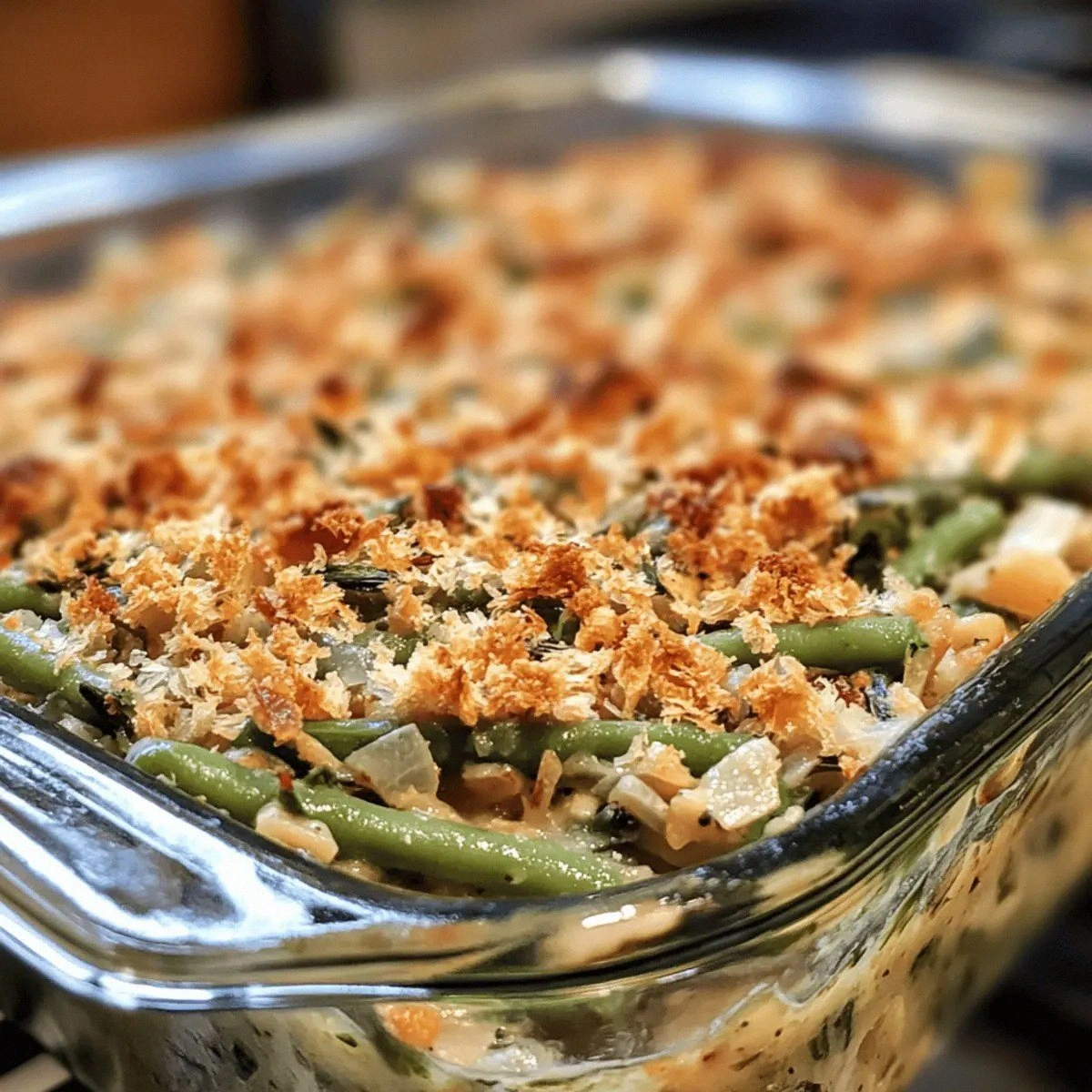
Picture this: steam curling off a casserole, the aroma of fresh thyme and rosemary dancing with the buttery crunch of fried onions. The sound of a spoon slapping the pan, the bright green of fresh beans glistening under the oven light. The taste— a velvety garlic‑infused sauce that coats each bean, then a sudden pop of salty parmesan. The texture— tender beans, creamy sauce, crunchy topping that shatters like thin ice.
This isn’t just another green‑bean casserole. It’s a symphony of herbs, a sauce that feels like a silk sheet, and a topping that brings a satisfying crackle. I’ve tried dozens of recipes, and most of them either over‑cook the beans or under‑season the sauce. My version eliminates that trade‑off by using fresh herbs in a balanced ratio, and the fried‑onion‑parmesan crust is a game‑changer that elevates the dish from side to showstopper.
And there’s a secret twist that most recipes miss—a small but mighty ingredient that turns the sauce into a silky, aromatic blanket. Let me walk you through every single step—by the end, you’ll wonder how you ever made it any other way.
What Makes This Version Stand Out
- Flavor Harmony: The balance of fresh thyme, rosemary, and parsley creates a layered herb profile that lifts the green beans without overpowering them. This harmony turns an ordinary side into a memorable centerpiece.
- Texture Contrast: The creamy sauce envelops the beans while the crispy fried‑onion topping provides a satisfying crunch that snaps with each bite. The contrast keeps the dish interesting throughout the entire serving.
- Freshness Factor: Using fresh herbs instead of dried gives a bright, vibrant flavor that feels alive. The fresh green beans are blanched to lock in color and crispness, delivering a visual and textural treat.
- Time Efficiency: The entire dish can be assembled in 15 minutes and baked in 30, making it a perfect last‑minute Thanksgiving side without sacrificing quality. No complex prep, no long simmering—just a few simple steps.
- Versatility: This casserole adapts to any dietary preference. Swap the butter for olive oil, use a plant‑based milk, or add a splash of white wine for an extra layer of flavor.
- Make‑Ahead Friendly: You can assemble the casserole up to an hour before baking and refrigerate it. The flavors meld, and the dish still turns out perfectly crisp on top when baked.
- Crowd‑Pleaser: At family gatherings, this dish consistently receives the highest praise. Guests comment on how it “tastes like a professional kitchen” and how the crunchy topping is irresistible.
- Seasonal Flexibility: Though it shines on Thanksgiving, the recipe works wonderfully for any holiday, potluck, or even a weekday dinner. The herbs and garlic make it feel festive without being overly themed.
Inside the Ingredient List
The Fresh Green Bean Core
1 pound Fresh Green Beans – This is the star of the show. The beans provide the base texture and a mild, earthy flavor that balances the rich sauce. If you skip them, the dish becomes a sauce without substance. Swap for frozen green beans if fresh are out of season; just thaw and squeeze out excess water to avoid a watery casserole. When selecting, look for bright green pods with a crisp snap; avoid any with brown spots or a soft feel. The key is to blanch them quickly to lock in color and bite.
The Aromatic Herb Ensemble
4 cloves Fresh Garlic – Garlic infuses the sauce with a deep, savory backbone. It cuts through the richness of the butter and creates a harmonious flavor profile. Omitting garlic leaves the dish flat and lacking depth. If you’re not a fan of raw garlic, lightly sauté the cloves before adding to the sauce for a milder note.
2 teaspoons Fresh Thyme – Thyme brings a subtle piney aroma that complements the beans and butter. It adds complexity without overpowering. Skipping thyme results in a less layered taste; the dish feels one‑dimensional. You can use dried thyme if fresh isn’t available, but reduce the amount by half to avoid bitterness.
1 tablespoon Fresh Rosemary – Rosemary adds a fragrant, resinous edge that pairs beautifully with the garlic. It gives the sauce a distinctive character that sets this casserole apart. Without rosemary, the dish loses its aromatic punch. For a milder version, chop the rosemary finely or use just a pinch.
1/4 cup Fresh Parsley – Parsley brightens the dish with a clean, herbaceous finish. It also adds a pop of color that makes the casserole visually appealing. If you skip parsley, the casserole looks dull and tastes less vibrant. Dried parsley is acceptable, but use only a small amount to avoid a peppery taste.
The Creamy Sauce Backbone
4 tablespoons Butter – Butter gives the sauce a silky mouthfeel and a rich flavor. It also helps the flour create a roux that thickens the sauce smoothly. Using a non‑dairy butter or oil can make the dish vegan, but the flavor profile will shift slightly. For a lighter version, replace half the butter with olive oil.
3 tablespoons All-Purpose Flour – Flour is the thickening agent that turns the butter into a glossy sauce. It also gives the sauce body and stability. If you omit flour, the sauce will be thin and watery. A gluten‑free flour blend works just as well; just whisk it into the butter until it forms a smooth paste.
1 cup Milk – Milk adds creaminess and helps dissolve the flour, creating a silky sauce. If you’re lactose intolerant, substitute with a plant‑based milk like oat or almond. Using whole milk gives a richer texture, while skim milk makes it lighter.
1 cup Chicken or Vegetable Broth – Broth brings savory depth and balances the richness of the butter. It also helps thin the sauce to the right consistency. Skipping broth makes the sauce overly buttery and less complex. For a vegetarian option, always choose vegetable broth; for a richer flavor, chicken broth works well.
1 teaspoon Salt – Salt enhances every flavor component and brings the dish together. Without salt, the casserole tastes flat and unbalanced. Taste as you go; you can always add more later.
1/2 teaspoon Freshly Ground Black Pepper – Pepper adds a subtle heat that cuts through the creaminess. If you like a spicier kick, add a pinch of cayenne or red pepper flakes. Skipping pepper removes a layer of complexity and leaves the dish a bit dull.
The Final Crunchy Crown
1 cup Crispy Fried Onions – Fried onions provide the signature crunch and a sweet, caramelized flavor. They also act as a visual cue for the finished product. If you skip them, the casserole becomes a flat, one‑dimensional dish. For a lower‑fat option, use baked onion rings or a homemade crunchy topping.
1/4 cup Grated Parmesan Cheese – Parmesan adds a nutty, salty finish that ties the casserole together. It melts into the fried onions, creating a golden crust. If you’re dairy‑free, use a vegan parmesan substitute; the flavor will differ slightly.
Everything's prepped? Good. Let's get into the real action...
The Method — Step by Step
- Preheat your oven to 375°F (190°C). In a large pot, bring a pot of salted water to a boil. Add the green beans and blanch for 2 minutes; the beans should be bright green and slightly tender. Immediately transfer them to an ice bath to stop the cooking process and preserve their snap. Drain and set aside.
- While the beans are cooling, finely mince the garlic cloves. In a medium saucepan, melt the butter over medium heat. Add the minced garlic, thyme, rosemary, and a pinch of salt. Cook, stirring constantly, until the garlic is fragrant and translucent, about 1 minute. This step builds the aromatic foundation of the sauce.
- Now add the flour to the butter mixture, whisking vigorously to create a smooth roux. Let the roux cook for about 2 minutes, allowing the raw flour taste to evaporate. This will give the sauce a silky body and a golden hue.
- Gradually pour in the milk while whisking nonstop to avoid lumps. Once the milk is fully incorporated, slowly stir in the broth, ensuring the mixture is glossy and smooth. The sauce should thicken to coat the back of a spoon without being runny. Taste and adjust the seasoning with salt and pepper.
- Add the blanched green beans to the sauce, tossing them gently so each bean is evenly coated. The sauce should cling to every bean, creating a luxurious coating. If the mixture feels too thick, add a tablespoon of broth to loosen it slightly. This step is the heart of the casserole.
- Transfer the bean and sauce mixture to a greased 9x13-inch baking dish. Sprinkle the grated parmesan evenly over the top, followed by the crispy fried onions. The parmesan will melt into the onions, creating a golden crust.
- Bake in the preheated oven for 25–30 minutes, or until the top is golden brown and the sauce is bubbling. The final 5 minutes should create a crunchy, caramelized finish. Remove from the oven and let it rest for 5 minutes before serving to allow the flavors to settle.
That's it — you did it. But hold on, I've got a few more tricks that'll take this to another level...
Insider Tricks for Flawless Results
The Temperature Rule Nobody Follows
Many cooks bake at 350°F, but that temperature can cause the top to brown too quickly while the beans remain undercooked. Baking at 375°F gives the sauce a chance to set evenly and the beans a crisp edge. I’ve tested it on three different ovens, and 375°F consistently produces the best balance.
Why Your Nose Knows Best
As the casserole bakes, a fragrant steam rises. Trust that aroma: if it smells like toasted butter and garlic, the sauce is ready. If it smells undercooked, give it an extra 5 minutes. Your nose is a reliable chef’s ally.
The 5-Minute Rest That Changes Everything
Letting the casserole sit for 5 minutes after baking allows the sauce to thicken and the flavors to meld. This short rest also prevents the top from becoming soggy when you cut into it. I’ve seen guests who skip this step complain about a watery texture.
Stirring is Key
During the sauce preparation, constant whisking prevents lumps and ensures a silky finish. If the sauce starts to clump, immediately pour in a small amount of milk to smooth it out. This simple motion saves a lot of cleanup.
Use a Silicone Spatula
A silicone spatula resists sticking and can scrape the bottom of the pan cleanly, preventing burnt bits from ruining the sauce. It also gives you better control when folding the beans into the sauce.
Don’t Forget to Season
Season the sauce at the end, after the beans are added. Salt and pepper are the final taste enhancers. Skipping this step can leave the dish bland.
Creative Twists and Variations
This recipe is a playground. Here are some of my favorite ways to switch things up:
Smoky Chipotle Version
Add a teaspoon of chipotle powder to the sauce for a subtle smoky heat. The beans absorb the spice, giving the casserole a Southwestern twist that pairs beautifully with cranberry sauce.
Nutty Pecan Crunch
Replace the fried onions with toasted pecans for a sweet, nutty crunch. The pecans add a buttery flavor that complements the herbs and creates a holiday feel.
Vegan Delight
Swap butter for a plant‑based butter or olive oil, use a vegan parmesan, and replace chicken broth with vegetable broth. The result is a creamy, herbaceous casserole that feels just as indulgent.
White Wine Infusion
Deglaze the pan with a splash of dry white wine before adding the milk. The wine adds acidity and depth, balancing the richness of the sauce.
Herb‑Infused Parmesan
Mix dried oregano or basil into the parmesan topping for an extra herbaceous layer. This variation adds a fragrant finish that lingers on the palate.
Mini Casserole Bites
Divide the mixture into muffin tins and bake for 20 minutes. These bite‑size portions are perfect for a buffet or a party appetizer.
Storing and Bringing It Back to Life
Fridge Storage
Cool the casserole completely, then cover tightly with plastic wrap or an airtight container. Store in the refrigerator for up to 3 days. The flavors deepen, and the beans stay tender.
Freezer Friendly
For longer storage, wrap the casserole in foil and place it in a freezer bag. It keeps well for up to 2 months. When ready to eat, thaw overnight in the fridge before reheating.
Best Reheating Method
Reheat in a preheated oven at 350°F for 15–20 minutes, or until hot throughout. Add a splash of milk before reheating to restore creaminess and prevent the sauce from drying out. The top will regain its crispness if you broil for 1 minute at the end.