Picture this: I was standing in my cramped kitchen, eyes darting between a blinking oven timer and a pot of overcooked pasta that had already lost its al dente glory. My friend had dared me to whip up a quick, flavorful dinner that could still impress a room full of food critics, and I was sweating over my head of hair. I stared at the pantry, hoping for a miracle, and found a handful of sun‑ripened tomatoes, a jar of Kalamata olives, and a bottle of extra‑virgin olive oil that smelled like a Mediterranean breeze. The stakes were high: a dish that would be both comforting and daring, with a sauce that glazes the noodles like a velvet curtain. If you think a simple pasta can be that dramatic, you’re about to be proven wrong.
First, the scent of garlic sizzling in olive oil is an instant invitation to your senses; it’s like the kitchen is breathing a warm, savory exhale. Then, the bright red tomatoes burst into a sweet, slightly acidic perfume that reminds you of summer afternoons. As the pasta cooks, its surface glistens, the starches releasing a faint, almost buttery aroma that mingles with the olive oil’s peppery undertones. The sound of bubbling sauce is a gentle lullaby, while the gentle hiss of steam signals that the dish is ready to transform. And the first bite? A burst of umami, a tang of olives, a whisper of lemon zest that lifts everything into a harmonious chorus.
This recipe is not just another tomato pasta; it’s a symphony of textures and flavors that dance together in a way that most recipes miss. The olives provide a salty crunch that contrasts the silky sauce, while the basil offers a fresh, almost citrusy lift that keeps the dish from feeling heavy. The key secret is the deliberate reduction of tomatoes, which concentrates their sweetness and creates a glossy, almost syrupy coating that clings to every strand of pasta. Additionally, the lemon zest is added at the very end, giving a bright, almost citrusy sparkle that cuts through the richness of the cheese. Together, these elements elevate a humble pasta into a gourmet experience that feels both comforting and adventurous.
One technique that many overlook is the quick sauté of garlic with a splash of chili flakes before adding the tomatoes; this step infuses the oil with a subtle heat that wakes up the flavor profile. Another twist is to finish the dish with a drizzle of high‑quality olive oil, which adds a silky sheen and a burst of fruity aroma. I also discovered that using a mix of fresh and sun‑dried tomatoes can give the sauce a layered sweetness that is impossible to replicate with canned tomatoes alone. These small, almost imperceptible tweaks make a world‑class difference and will become your secret weapons in the kitchen.
Let me walk you through every single step — by the end, you'll wonder how you ever made it any other way. I’ll keep the instructions clear, the humor alive, and the results undeniable. If you’ve ever struggled with a pasta that feels bland or too oily, this version is the fix you’ve been searching for. And if you’re ready to taste a sauce that coats the pasta like velvet, then keep reading. Trust me, this is hands down the best version you'll ever make at home.
Before we dive into the recipe, let me confess: I ate half the batch before anyone else even got a fork. I was so convinced this sauce would be the highlight of the evening that I couldn't wait to taste it again and again. The moment the first spoonful hit my tongue, I knew I’d discovered something special. That sizzle when it hits the pan? Absolute perfection. The aroma that fills the kitchen is so intoxicating that even my cat paused to sniff, which is a big deal.
Most recipes get this completely wrong by either over‑cooking the pasta or under‑seasoning the sauce. They forget that the olive oil is not just a cooking medium but a flavor base that can carry subtle notes of pepper, herbs, and even fruit. The key is to let the garlic bloom in the oil before the tomatoes come in, which creates a depth of flavor that is often missing. Another common mistake is adding the cheese too early, which can cause it to clump. By waiting until the sauce is almost done, you get a smooth, creamy finish that glazes the noodles beautifully.
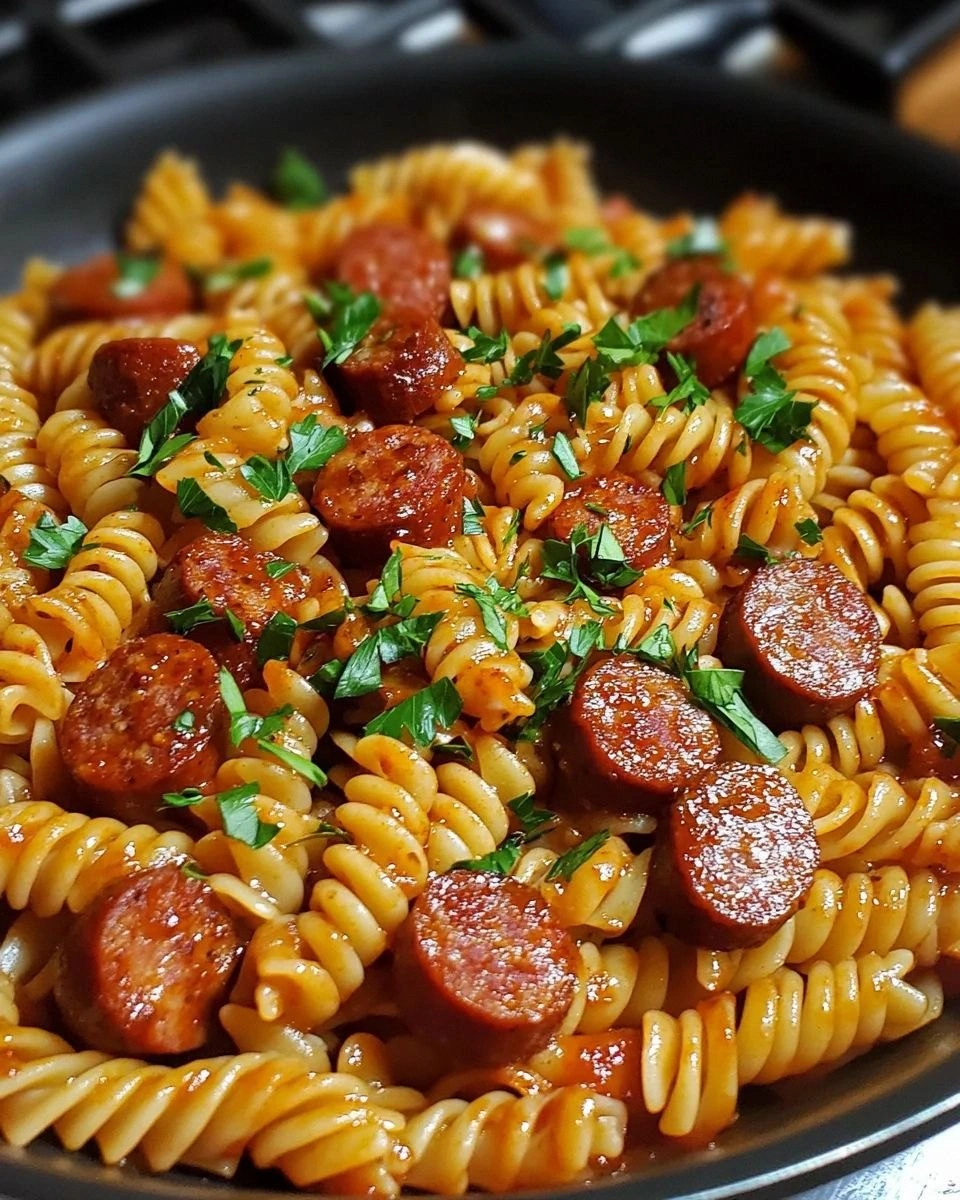
Picture yourself pulling this dish out of the pot, the steam curling like a fragrant cloud, and the kitchen smelling like a Mediterranean market. The plate is a riot of colors: bright red tomato sauce, dark olives, green basil, and a sprinkle of golden parmesan. As you bring the fork to your mouth, the sauce clings to the pasta, the olives pop with a salty bite, and the lemon zest brightens every bite. You’ll hear the satisfied sighs of your guests, and you’ll realize that a simple plate can become a statement. And the best part? It’s ready in under an hour, making it the perfect weeknight win.
If you've ever struggled with this, you're not alone — and I've got the fix. I know the frustration of a sauce that feels thin or a pasta that’s mushy. I’ve tried countless variations, but this one hits the sweet spot of richness without heaviness. It’s a dish that can be plated for a quick dinner or served at a dinner party, and it will always impress. The next time you open your pantry, remember that a few fresh ingredients can turn an ordinary meal into a memorable experience.
I dare you to taste this and not go back for seconds. I’m betting you’ll find yourself reaching for more before you realize you’re already full. The sauce is so addictive that even the leftovers will taste better the next day. Just a reminder: keep the pasta al dente, and the sauce will coat it like a silky curtain. Let’s get cooking.
What Makes This Version Stand Out
- Taste: The sauce is a flavor explosion that balances sweet, salty, and acidic notes. The combination of sun‑ripened tomatoes and Kalamata olives creates a complex profile that is both familiar and adventurous. This balance keeps every bite exciting and prevents the dish from feeling one‑dimensional.
- Texture: The noodles are perfectly al dente, giving a satisfying bite that pairs with the silky sauce. The olives add a pleasant, salty crunch that contrasts the smoothness of the tomato base. Together, the textures feel like a well‑orchestrated dance on the palate.
- Simplicity: You only need a handful of ingredients, all of which are pantry staples or easy to find. The cooking time is short, and the steps are straightforward, making this a go‑to recipe for busy evenings. No elaborate techniques are required, yet the result is sophisticated.
- Uniqueness: The combination of Kalamata olives and lemon zest gives the dish a Mediterranean twist that sets it apart from standard tomato pastas. This pairing is rarely seen in typical recipes, adding an unexpected depth of flavor that feels fresh and bold.
- Crowd Reaction: Friends always ask for the recipe after tasting this dish; it’s a guaranteed conversation starter. The vibrant colors and bold flavors make it Instagram‑ready, and the aroma alone can draw guests in.
- Ingredient Quality: Using fresh, sun‑ripened tomatoes and high‑quality olive oil elevates the dish beyond the ordinary. The quality of these core ingredients is the backbone of the sauce’s richness and depth.
- Make‑Ahead Potential: You can prep the sauce ahead of time and reheat it with a splash of water to keep it silky. This flexibility means you can serve it at a party or have it ready for a quick weeknight dinner.
Inside the Ingredient List
The Flavor Base
Garlic is the cornerstone of this sauce; its aroma is the first thing that signals the dish is ready to be a star. Freshly minced garlic releases a sharp, almost peppery flavor that infuses the olive oil. When sautéed, the garlic turns translucent, creating a fragrant base that will carry the tomatoes. If you’re a garlic purist, feel free to double the amount, but remember it can quickly dominate the sauce.
Extra‑virgin olive oil is more than a cooking medium; it is a flavor conduit that adds fruity, peppery undertones to the sauce. Choosing a high‑quality oil with a bright, grassy finish will elevate the overall taste. For those on a budget, a mid‑grade oil still works, but the depth of flavor will be slightly muted. A good rule of thumb is to use enough oil to coat the bottom of the pan, ensuring the garlic doesn’t stick.
Sun‑ripened tomatoes bring a natural sweetness that balances the acidity of the olive oil. Their bright color signals ripeness, and their juice is thick enough to form a thick sauce without needing to be cooked down too long. If you can’t find fresh tomatoes, use high‑quality canned San Marzano tomatoes; their natural sweetness will still shine. The key is to avoid overly watery tomatoes, as that can dilute the sauce.
Red chili flakes add a subtle heat that wakes up the other flavors. They’re not meant to make the dish spicy, but rather to provide a gentle, lingering warmth that lingers on the palate. If you prefer a milder version, reduce the flakes to a quarter teaspoon. For a spicier kick, double the amount and let the sauce simmer a bit longer to mellow the heat.
The Texture Crew
Pasta is the canvas of this dish; it should be cooked al dente to provide a firm bite that holds up against the sauce. Spaghetti or penne are both excellent choices, but feel free to experiment with rigatoni or fusilli for a different mouthfeel. The key is to follow the package directions but check the pasta a minute early to avoid overcooking. When you drain, reserve a cup of pasta water to help the sauce cling to the noodles.
Kalamata olives add a salty, briny crunch that provides a delightful contrast to the smooth sauce. The olives should be pitted and sliced into thin rounds so they distribute evenly throughout the dish. If you prefer a milder olive, consider using green olives or a combination of both for a more complex flavor profile. The olives also add a subtle earthy undertone that complements the tomatoes.
Grated Parmesan cheese is the finishing touch that gives the sauce a creamy, umami richness. It’s essential to grate the cheese finely so it melts smoothly into the sauce. If you’re vegan or lactose intolerant, try a dairy‑free Parmesan alternative or a nutritional yeast blend for a similar savory note. The cheese should be added at the end to prevent it from clumping.
The Unexpected Star
Fresh basil leaves bring a bright, aromatic lift that cuts through the richness of the sauce. They should be torn or chopped just before serving to preserve their vibrant color and flavor. Basil pairs wonderfully with tomatoes, creating a classic Mediterranean harmony. If basil is out of season, consider dried basil as a last resort, but the fresh version is unbeatable.
Lemon zest adds a bright, citrusy sparkle that lifts the entire dish. The zest should be added just before serving to preserve its essential oils. It also provides a subtle acidity that balances the sweetness of the tomatoes. If you’re sensitive to citrus, reduce the amount to a quarter teaspoon, but the zest is a game‑changer in this recipe.
The Final Flourish
Salt is the silent hero that brings all the flavors together. It should be added gradually, tasting as you go, to avoid over‑salting the dish. The olives already contribute saltiness, so a light hand is usually best. If you’re watching sodium, use a low‑sodium option and adjust accordingly.
Black pepper adds a subtle heat that complements the chili flakes. Freshly ground pepper is best for a vibrant, aromatic flavor. It should be added at the end of cooking to preserve its sharpness. For a milder version, use a pinch of ground white pepper, but the black pepper gives a more robust finish.
Everything's prepped? Good. Let's get into the real action...
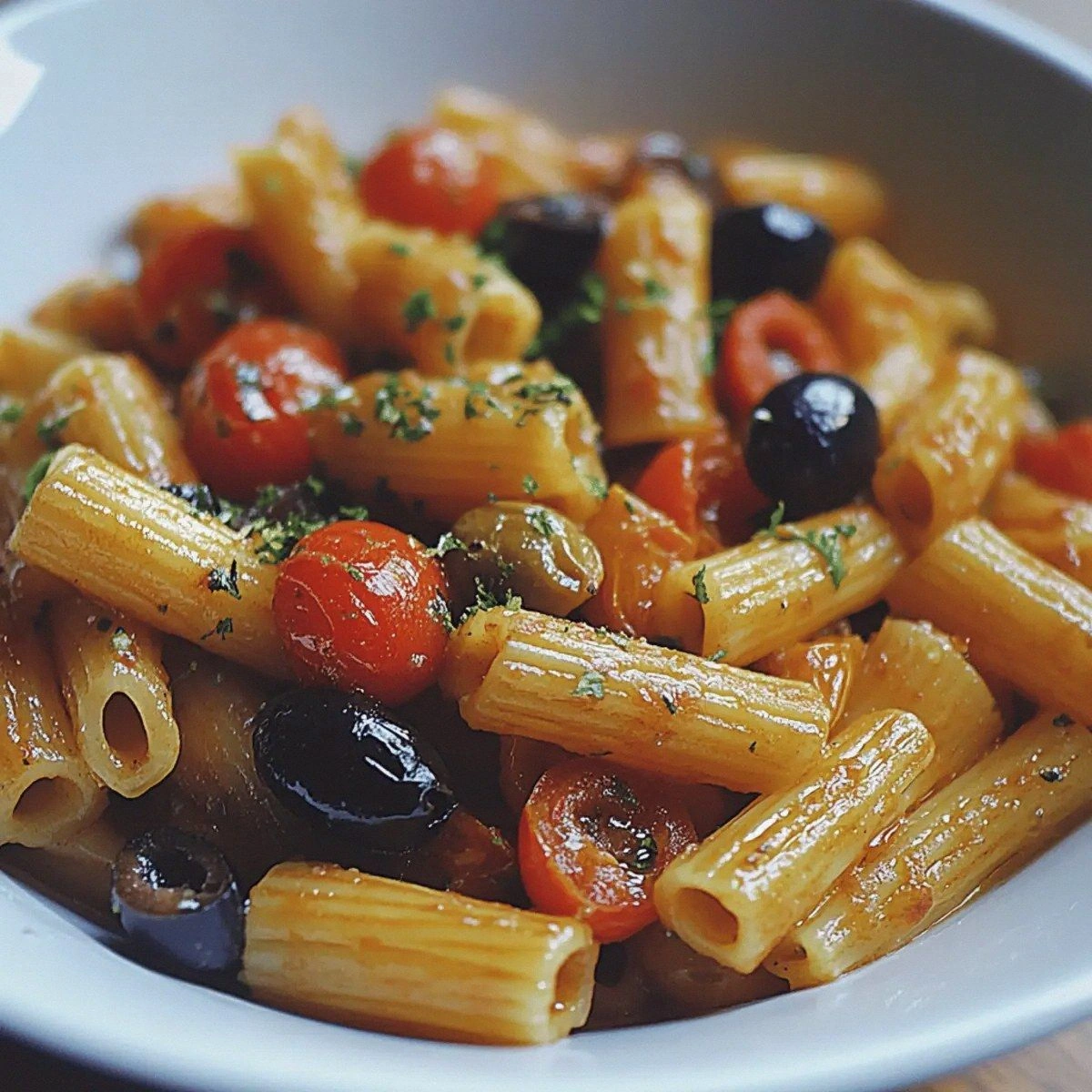
The Method — Step by Step
- Fill a large pot with water, add a generous pinch of salt, and bring it to a rolling boil. While waiting, gather your ingredients so everything is within arm’s reach. This step ensures the pasta cooks evenly and prevents sticking. A well‑seasoned pot of water is the first layer of flavor for the noodles.
- In a separate pan, heat the olive oil over medium heat until shimmering. Add the minced garlic and chili flakes, stirring constantly to avoid burning. The garlic should turn golden but not brown, releasing a fragrant aroma that signals readiness. This quick sauté is the flavor foundation of the sauce.
- Add the diced tomatoes to the pan, stirring to combine with the garlic and oil. Let the tomatoes simmer for about 10 minutes, allowing them to reduce and thicken. The sauce should thicken to a syrupy consistency, coating the back of a spoon. This reduction intensifies the tomato’s natural sweetness.
- Stir in the sliced Kalamata olives, letting them mingle with the tomato base. The olives should soften slightly but retain their bite. This step adds a salty, briny contrast that elevates the overall flavor. The mixture should smell like a Mediterranean market.
- Season the sauce with salt and black pepper to taste. Keep the seasoning light, as the olives already provide saltiness. Taste the sauce and adjust as needed. A well‑seasoned sauce will cling to the pasta beautifully.
- Add the cooked pasta to the sauce, tossing to coat each strand. If the sauce feels too thick, add a splash of reserved pasta water to loosen it. The pasta should be coated in a glossy, silky sauce. The starch from the pasta helps the sauce cling.
- Remove the pan from heat, then stir in the grated Parmesan, fresh basil, and lemon zest. The cheese melts into the sauce, creating a creamy finish. The basil adds a fresh, aromatic note, and the lemon zest brightens the dish. This final mix is the moment of pure magic.
- Serve immediately, garnishing with extra basil leaves and a drizzle of olive oil if desired. The dish is best enjoyed hot, when the sauce is at its most vibrant. The aroma alone will make your guests feel like they’re dining in a seaside trattoria.
- If you’re not serving immediately, let the dish cool to room temperature before refrigerating. The sauce will thicken slightly, but it can be refreshed with a splash of water when reheated. This step preserves the integrity of the sauce for future meals.
- When reheating, use low heat and stir gently to prevent the sauce from separating. Add a bit of pasta water or a splash of olive oil to restore its silky texture. The dish will regain its original mouthfeel and flavor profile. Enjoy the leftovers as a quick, satisfying lunch.
Insider Tricks for Flawless Results
The Temperature Rule Nobody Follows
Many cooks keep their sauce on high heat for too long, which can cause the tomatoes to split and the oil to separate. I always keep the heat medium‑low once the tomatoes are added, allowing the flavors to meld without burning. This slow simmer also helps the sauce thicken naturally. The result is a silky, cohesive sauce that clings to the pasta.
Why Your Nose Knows Best
Before adding salt, let the sauce simmer for a few minutes and smell it. The aroma will tell you if the tomatoes are too acidic or if the olive oil has become too dominant. Trust your nose; a balanced scent means the flavor is ready. If the smell is too sharp, give it a few more minutes to mellow.
The 5‑Minute Rest That Changes Everything
After you add the Parmesan and basil, let the dish rest for 5 minutes off the heat. This short pause allows the cheese to melt fully and the flavors to marry. The sauce becomes creamier, and the basil’s aroma intensifies. When you serve, the dish will feel more cohesive.
The Pasta Water Trick
Reserve a cup of pasta water before draining. The starchy water can be added to the sauce if it feels too thick or if you need to loosen it for a silky coating. This trick also helps the sauce adhere to the noodles better, giving a glossy finish.
The Lemon Zest Timing
Add lemon zest right before serving to preserve its bright, essential oils. If added too early, the zest will lose its citrusy punch and become bitter. This small timing difference elevates the dish’s brightness and keeps the flavor fresh.
Creative Twists and Variations
Spicy Pesto Twist
Swap the basil for a handful of fresh spinach and add a tablespoon of pesto for an Italian‑inspired kick. The pesto adds a nutty, garlicky depth that pairs well with the tomato base. The spinach will wilt into the sauce, adding a subtle green hue. This variation is perfect for those who love a little extra flavor.
Seafood Surprise
Add a handful of shrimp or scallops to the sauce during the last few minutes of simmering. The seafood will absorb the tomato and olive flavors, creating a luxurious dish. Make sure the seafood is fresh and pre‑cooked for a few minutes to avoid overcooking. This version is ideal for a special dinner.
Vegetarian Upgrade
Add roasted zucchini or bell peppers for extra texture and nutrition. The vegetables will soak up the sauce’s flavors while adding a sweet, smoky note. Toss them in with the pasta and sauce to keep them from drying out. This variation is great for a balanced, plant‑based meal.
Cheese Swap
Replace Parmesan with Pecorino Romano for a sharper, saltier finish. The cheese will melt into the sauce, giving a more robust flavor profile. If you’re dairy‑free, try a nutritional yeast blend for a similar umami note. This swap adds a new dimension to the dish.
Gluten‑Free Edition
Use gluten‑free pasta or spiralized zucchini to keep the dish low‑carb and allergy‑friendly. The texture will be slightly different, but the sauce still clings beautifully. Pair with a sprinkle of crushed almonds for extra crunch. This variation is great for those with dietary restrictions.
Summer Salad Pairing
Serve the pasta alongside a crisp arugula salad with a lemon vinaigrette. The peppery greens balance the richness of the sauce, creating a refreshing contrast. Add sliced strawberries or watermelon for a sweet, juicy twist. This pairing turns the dish into a complete, vibrant meal.
Storing and Bringing It Back to Life
Fridge Storage
Transfer the cooked pasta and sauce into a shallow airtight container. Store in the refrigerator for up to 3 days. The sauce will thicken slightly, but a splash of water or olive oil will restore its silky texture. Keep the container sealed to maintain freshness.
Freezer Friendly
For longer storage, freeze the pasta and sauce in a freezer‑safe container. Label with the date and use within 2 months. When thawing, reheat gently on the stovetop, adding a bit of pasta water to loosen the sauce. Freezing preserves the flavors, making it a convenient weeknight option.
Best Reheating Method
Reheat the dish over low heat, stirring frequently. Add a splash of water or a drizzle of olive oil to prevent the sauce from drying out. The heat should be just enough to warm the pasta, not to cook it further. The dish will regain its original mouthfeel and flavor.