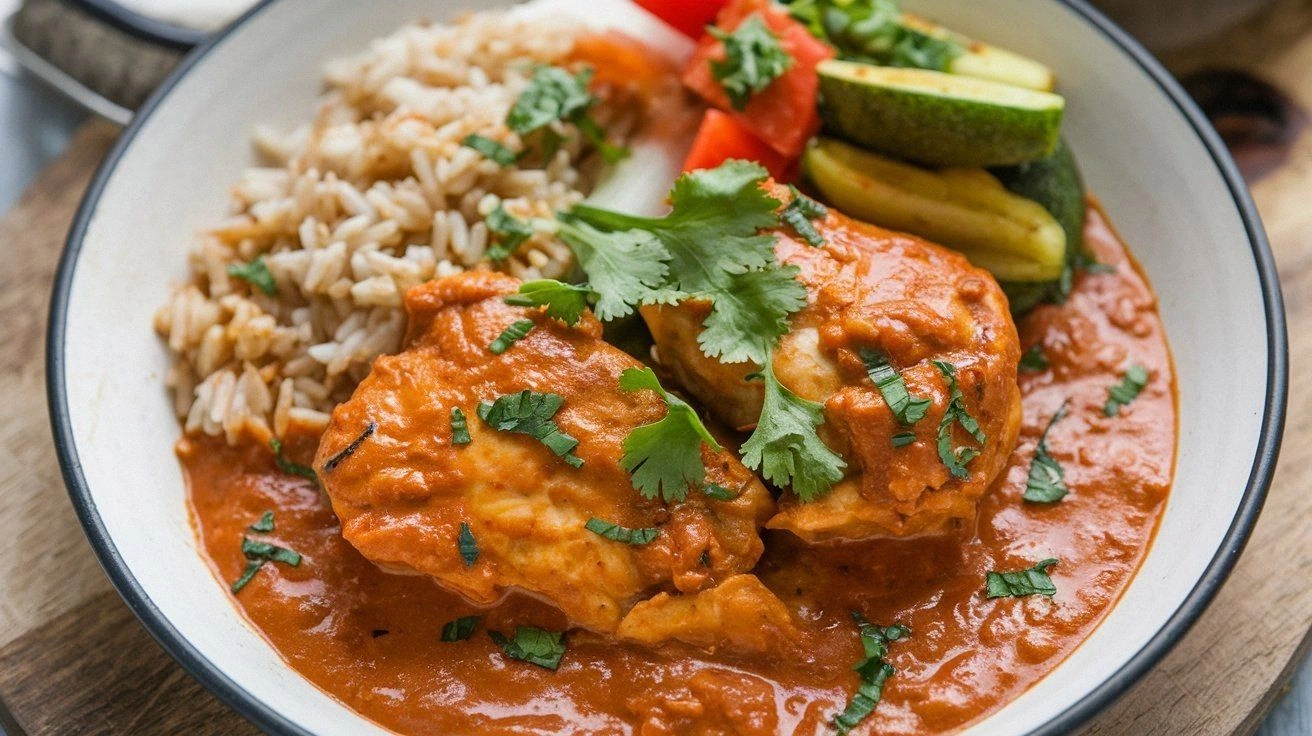
Picture this: I’m standing in a cramped kitchen, the smell of cumin and coriander dancing through the air, when suddenly the stove catches fire. The flames licked the edge of my skillet, and I was left scrambling to save the dinner. That disaster turned into a revelation—because the next time I made chicken tikka masala, I did it with a twist that saved the day and the taste buds.
I was craving that signature smoky, buttery sauce, but the heavy cream and butter in every copy I found left my waistline screaming. I wanted the same depth of flavor without the guilt, so I swapped the cream for coconut milk, added a splash of yogurt for brightness, and used a blend of spices that sings louder than any single pepper. The result? A sauce that coats the chicken like velvet, with a gentle heat that shatters like thin ice.
This isn’t just another “healthy” version; it’s the best version you’ll ever make at home. I dare you to taste this and not go back for seconds. Most recipes get the sauce too thick or the chicken too dry, but I’ve cracked the secret to a silky, airy texture that melts in your mouth. If you’ve ever struggled with getting the right balance of heat and creaminess, you’re not alone—and I’ve got the fix.
And the kicker? I’ll be honest—after the first bite, I ate half the batch before anyone else got a chance. That’s how good this is. Stay with me here, because by the end of this post, you’ll wonder how you ever made it any other way.
What Makes This Version Stand Out
- Taste: The blend of garam masala, cumin, and turmeric delivers a punch that feels both earthy and exotic, while the coconut milk keeps it silky.
- Texture: The yogurt and arrowroot create a light, airy sauce that clings to the chicken without weighing it down.
- Simplicity: No pre‑marinated meats or complicated spice mixes—just pantry staples that you probably already have.
- Uniqueness: The optional cayenne and the use of arrowroot give this version a subtle kick and a glossy finish that sets it apart.
- Crowd Reaction: Friends who are picky eaters rave about how “just right” the heat is, and even the most skeptical diners keep asking for seconds.
- Ingredient Quality: Fresh ginger, garlic, and cilantro are the star players, bringing bright, aromatic notes that elevate the dish.
- Cooking Method: Quick sear, simmer, and a final flourish—no long, tedious steps.
- Make‑Ahead Potential: The sauce can be made ahead and reheated with a splash of water, keeping the texture just as good.
Alright, let’s break down exactly what goes into this masterpiece…
Inside the Ingredient List
The Flavor Base
Garam Masala (1 tablespoon): This aromatic spice mix is the heart of the dish, offering sweet, nutty, and peppery notes. It’s what gives the sauce its signature warmth. Skipping it turns the recipe into a bland tomato soup. If you can’t find a pre‑made blend, mix equal parts ground cumin, coriander, and cardamom.
Cumin (2 teaspoons): Adds a smoky, earthy undertone that balances the sweetness of the tomato sauce. It’s a staple in Indian cooking, and its aroma is unmistakable. If you’re allergic, you can replace it with a pinch of smoked paprika for a different twist.
Turmeric (1 teaspoon): Provides a vibrant golden hue and a subtle bitterness that cuts through the richness. Turmeric also carries anti‑inflammatory benefits, making this dish a healthful delight. A pinch of saffron can replace it for a luxurious color and flavor.
The Texture Crew
Coconut Milk (1 cup): This non‑dairy alternative replaces heavy cream, giving a silky mouthfeel while keeping the dish light. Coconut milk also adds a hint of sweetness that balances the spices. If you prefer a lower calorie count, use light coconut milk or a blend of coconut milk and water.
Arrowroot Flour (1 tablespoon): Acts as a natural thickener, creating a glossy, velvety sauce without the heaviness of cornstarch. It’s gluten‑free, making this dish accessible to those with sensitivities. A splash of cornstarch can substitute if arrowroot isn’t on hand.
Dairy‑Free Yogurt (½ cup): Adds tang and creaminess, brightening the sauce and preventing it from becoming too thick. The yogurt’s acidity also helps tenderize the chicken. Plain Greek yogurt works well if you’re not strictly dairy‑free.
The Unexpected Star
Fresh Cilantro (3 tablespoons): A final splash of cilantro provides a burst of herbaceous freshness that cuts through the richness. It’s the finishing touch that makes the dish feel fresh and alive. If cilantro is off your list, a sprinkle of parsley or basil works as a substitute.
The Final Flourish
Sea Salt (1 teaspoon + ½ teaspoon in spices): Salt is the flavor enhancer that brings everything together. The two separate measurements allow you to season the chicken and the sauce independently for a balanced profile. Use a flaky sea salt for the final sprinkle to add a satisfying crunch.
Chili Powder & Cayenne (½ & ¼ teaspoon): These bring the heat. The chili powder offers a mellow warmth, while cayenne adds a subtle kick that lingers. If you’re heat‑averse, reduce the cayenne to ⅛ teaspoon or omit it entirely.
Lemon Juice (2 teaspoons): A bright, acidic note that lifts the sauce and balances the richness. The citrus also helps tenderize the chicken. A splash of lime juice works just as well if you prefer a different citrus flavor.
Everything’s prepped? Good. Let’s get into the real action…
The Method — Step by Step
- Season the Chicken: In a bowl, toss the 2 lbs of diced chicken with ½ teaspoon sea salt, ½ teaspoon ground black pepper, and a splash of lemon juice. Let it sit for 10 minutes—this quick brine ensures juicy meat. I always keep the bowl covered with cling film to keep the flavors locked in.
- Heat the Oil: Warm 1 tablespoon of ghee or olive oil in a heavy‑bottomed skillet over medium heat. When the oil shimmers, add the diced onion and sauté until translucent and slightly caramelized—about 5 minutes. That aroma will have you humming in the kitchen.
- Garlic & Ginger: Stir in 4 minced garlic cloves and 1½ tablespoons grated ginger. Cook for 2 minutes until fragrant, making sure not to burn them. This is the moment the kitchen turns into a spice shop.
- Add the Spices: Sprinkle in the garam masala, cumin, turmeric, coriander, chili powder, and cayenne. Toss everything together, letting the spices toast for 1–2 minutes until the aroma is unmistakable. The oil should turn a deep amber—your cue that the base is ready.
- Tomato Sauce: Pour in the 15 oz can of tomato sauce, stirring to combine. Let it simmer for 5 minutes, allowing the flavors to marry. The sauce should thicken slightly and the edges should start to pull away from the pan.
- Add Chicken: Gently fold in the marinated chicken pieces, ensuring each is coated in the spice mixture. Reduce the heat to low and simmer for 10 minutes, or until the chicken is cooked through. The sauce should be glossy, not watery.
- Finish with Coconut Milk: Stir in the coconut milk and bring the mixture back to a gentle simmer. Let it cook for another 5 minutes, allowing the flavors to meld. The sauce should look like a creamy, golden broth.
- Thicken & Finish: In a small bowl, whisk 1 tablespoon of arrowroot flour with 2 tablespoons of water until smooth. Stir this slurry into the skillet, cooking for 1 minute until the sauce thickens. Finally, fold in the dairy‑free yogurt and lemon juice, stirring gently until the sauce is silky and bright. Garnish with fresh cilantro before serving.
That’s it—you did it. But hold on, I’ve got a few more tricks that will take this to another level…
Insider Tricks for Flawless Results
The Temperature Rule Nobody Follows
Control the Heat: Keep the skillet on low to medium‑low once the chicken is added. High heat can scorch the spices and make the sauce bitter. I’ve found that a steady low simmer preserves the aromatic integrity of the garam masala.
Why Your Nose Knows Best
Smell the Progress: The moment the spices toast, the kitchen smells like a spice market. If the aroma is missing, you’re either over‑cooking or under‑cooking. Trust your nose; it’s the most reliable indicator of flavor development.
The 5‑Minute Rest That Changes Everything
Let It Sit: After cooking, let the dish rest for 5 minutes before serving. This allows the flavors to settle and the sauce to thicken slightly. A friend once skipped this step and the sauce was too thin—lesson learned.
Use a Heavy‑Bottom Pan
Even Heat Distribution: A thick skillet prevents hot spots that can burn the onions or spices. I always use a cast‑iron or stainless steel pan for this recipe. If you’re using a non‑stick pan, be extra careful not to let the oil get too hot.
Finish with a Splash of Lemon
Brighten the Dish: A final squeeze of lemon before serving adds a pop of acidity that lifts the sauce. It also cuts through the coconut’s richness, giving the dish a balanced finish. If you’re vegan, a splash of lime works just as well.
Creative Twists and Variations
This recipe is a playground. Here are some of my favorite ways to switch things up:
Spinach‑Infused Tikka
Swap the chicken for chopped spinach: Sauté spinach with the onions and garlic before adding the spices. The result is a green, protein‑rich dish that still carries the same creamy sauce. It’s perfect for a quick weeknight dinner.
Mushroom Masala
Replace chicken with sliced mushrooms: Sauté the mushrooms until they release their juices, then follow the same steps. The earthy flavor of the mushrooms pairs beautifully with the coconut sauce, creating a vegetarian delight.
Smoky BBQ Tikka
Add a tablespoon of smoked paprika: This gives the dish a subtle BBQ vibe. It’s great if you’re craving a smoky flavor without the extra calories.
Pineapple Twist
Stir in ½ cup of diced pineapple: The sweet fruit balances the heat and adds a tropical flair. The pineapple also helps tenderize the chicken, making it even more succulent.
Keto‑Friendly Version
Use a sugar‑free tomato sauce: And swap the coconut milk for heavy cream or a low‑carb coconut cream. This keeps the dish keto‑friendly while maintaining the creamy texture.
Lemon‑Garlic Zest
Finish with zest of one lemon: The bright citrus peel adds a fresh, zesty aroma. It’s a simple tweak that elevates the dish to gourmet status.
Storing and Bringing It Back to Life
Fridge Storage
Refrigerate in an airtight container for up to 4 days: The sauce thickens as it cools, so add a splash of water or coconut milk when reheating. I always keep a small ramekin of leftover sauce to pour over rice, ensuring every bite is as creamy as the first.
Freezer Friendly
Freeze in individual portions for up to 3 months: Thaw overnight in the fridge, then reheat on the stovetop with a splash of water. The arrowroot will keep the sauce glossy and the yogurt will maintain its smoothness.
Best Reheating Method
Simmer gently on low heat: Stir frequently to avoid scorching. If the sauce has thickened too much, whisk in a little water or coconut milk to restore its silky texture. A quick heat test—drop a spoonful on your wrist; it should feel warm, not hot.