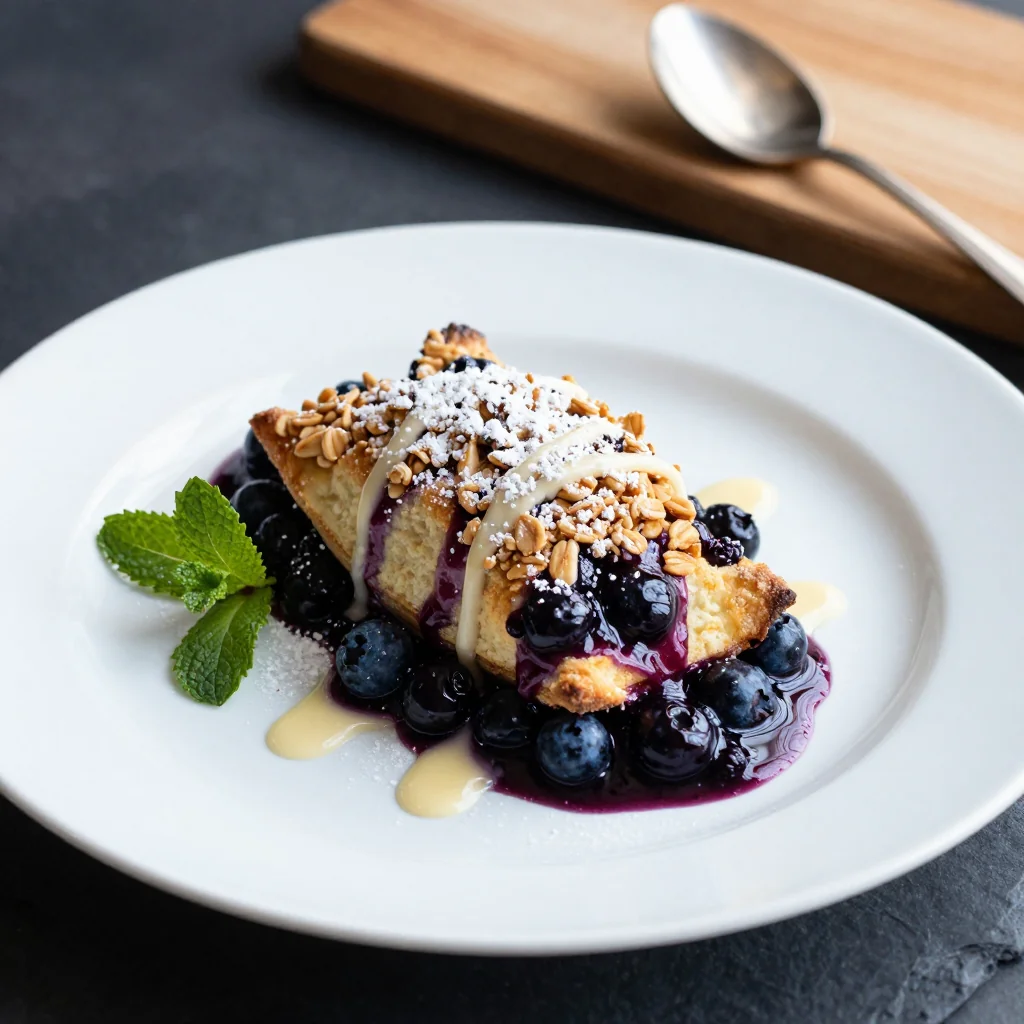
I was halfway through a rainy Saturday morning when I realized my pantry was screaming for a rescue mission. My usual go‑to—toast with jam—felt as exciting as watching paint dry, and the kids were already staging a mutiny over cereal. I grabbed the last six day‑old croissants from the basket, stared at the half‑empty chocolate chip bag, and thought, “What if I turned this disaster into a decadent breakfast that could win a gold medal at the brunch Olympics?” That daring question sparked the birth of the Indulgent Chocolate Croissant Breakfast Bake, a dish that turned a simple pastry into a cloud‑like, chocolate‑strewn masterpiece.
Imagine the kitchen humming with the gentle crackle of butter melting, the sweet perfume of vanilla dancing with a whisper of caramelized sugar, and the subtle, comforting scent of fresh coffee in the background. The croissants, once a humble leftover, puff up like sunrise balloons, their flaky layers soaking up a custard that’s as silky as satin and as rich as a velvet night. When you finally cut into it, the chocolate chips melt into rivers of glossy, semi‑sweet goodness that cascade over the buttery crumb, while the top forms a golden crust that cracks with a satisfying snap—think of it as the perfect marriage between a French pastry and a classic breakfast casserole.
What sets this version apart from the endless sea of “croissant casseroles” you’ll find online? First, I refuse to let the croissants go soggy; the secret is a quick toast‑and‑cool technique that locks in that buttery crunch. Second, I use a custard that’s balanced with just enough sugar to let the chocolate shine without turning the whole thing into a candy bar. Third, the finishing dust of powdered sugar adds a snow‑kissed look that makes it look like it was plated by a pastry chef on a Parisian balcony. And yes, there’s a surprise ingredient that will make you question everything you thought you knew about breakfast bakes.
I dare you to taste this and not go back for seconds. I’ll be honest— I ate half the batch before anyone else got a chance to try it, and I’m still dreaming about that first bite. This is hands down the best version you’ll ever make at home, and I’m about to spill every detail so you can recreate it without a single kitchen disaster. Let me walk you through every single step—by the end, you’ll wonder how you ever made it any other way.
What Makes This Version Stand Out
- Flavor Explosion: The custard is infused with vanilla and a pinch of salt, creating a sweet‑salty harmony that lets the chocolate shine like a spotlight on a Broadway stage.
- Texture Symphony: Toasted croissant edges stay crisp while the interior becomes custardy, delivering a contrast that’s as thrilling as biting into a perfectly caramelized crème brûlée.
- Simplicity Meets Sophistication: Only seven pantry staples are needed, yet the result feels like a dish you’d order at a five‑star brunch spot.
- Unique Technique: A quick 5‑minute toast of the croissants before soaking prevents sogginess—a game‑changer that most recipes miss.
- Crowd‑Pleaser Factor: Kids love the chocolate, adults love the elegance; it’s the kind of dish that sparks applause around the breakfast table.
- Ingredient Quality: Using day‑old, buttery croissants and high‑quality semi‑sweet chocolate chips elevates the flavor profile without extra effort.
- Cooking Method: Baking at a moderate 350°F ensures even heat distribution, giving you a golden top without burning the custard.
- Make‑Ahead Magic: Assemble the night before, refrigerate, and bake fresh in the morning—perfect for lazy weekends.
Inside the Ingredient List
The Flavor Base
The custard’s backbone is whole milk, which provides the creamy richness you expect from a classic breakfast bake. Whole milk’s fat content is essential; it carries the vanilla’s aromatic compounds and ensures the custard isn’t watery. If you swap it for skim milk, you’ll notice a thinner texture and a loss of that luxurious mouthfeel. For a dairy‑free twist, try oat milk—just be aware it will add a subtle oat flavor that can be delightful but changes the profile.
Vanilla Extract: A teaspoon of pure vanilla extract is the secret whisper that turns ordinary sweetness into a fragrant, layered experience. It lifts the chocolate and sugar, making each bite feel like a warm hug. If you only have vanilla bean, split a bean and scrape the seeds; you’ll get an even richer depth.
The Texture Crew
Day‑old croissants are the heroes of this dish. Their layers have already begun to dry out just enough to absorb the custard without disintegrating. The butter‑laden flakes create pockets of melt‑in‑your‑mouth goodness once baked. If you only have fresh croissants, slice them in half and let them air‑dry for 30 minutes; this mimics the perfect dryness.
Granulated Sugar: Half a cup of sugar sweetens the custard while also helping the top caramelize into a light crust. Too much sugar would make the bake overly sweet and cause the chocolate to clump; too little, and you lose that golden finish. Adjust by a tablespoon if you prefer a less sweet breakfast.
The Unexpected Star
Semi‑Sweet Chocolate Chips: One cup of these chips brings pockets of molten chocolate that flow like lava through the croissant layers. The “semi‑sweet” balance ensures the chocolate isn’t bitter, yet it still has enough cocoa intensity to cut through the buttery richness. If you crave a deeper flavor, swap half the chips for dark chocolate chunks (70% cacao).
The Final Flourish
Eggs: Four large eggs act as the custard’s binder, creating a silky matrix that holds the croissant pieces together. They also add a subtle richness that you’d miss if you tried a dairy‑only custard. Over‑beating can incorporate too much air, leading to a sponge‑like texture; gently whisk until just combined.
Pinch of Salt: The tiniest amount of salt awakens every flavor, especially the chocolate, and prevents the dish from tasting flat. It’s the culinary equivalent of a conductor guiding an orchestra.
Powdered Sugar (Optional): A light dusting right before serving adds a snowy finish that looks picture‑perfect for Instagram. It also adds a whisper of extra sweetness that pairs beautifully with the bitter notes of chocolate.
Everything's prepped? Good. Let's get into the real action...

The Method — Step by Step
Preheat your oven to 350°F (175°C). While the oven warms, line a 9‑x‑13‑inch baking dish with parchment paper; this ensures a clean release and makes cleanup a breeze. The moment the oven door clicks shut, you’ll hear a faint hum that signals the beginning of something magical.
Slice each croissant into bite‑size pieces, roughly 1‑inch squares. Toss them gently onto a large baking sheet and give them a quick 5‑minute toast in the preheated oven—just enough to revive their buttery crust without browning them fully. That sizzle when it hits the pan? Absolute perfection.
Kitchen Hack: Spread the croissant pieces in a single layer; overlapping pieces will steam instead of toast, resulting in soggy spots later.While the croissants toast, whisk together 4 large eggs, 2 cups whole milk, 1/2 cup granulated sugar, 1 teaspoon vanilla extract, and a pinch of salt in a large mixing bowl. Whisk until the mixture is uniform and slightly frothy—this incorporates a little air, giving the custard a light lift.
Stir in the 1 cup of semi‑sweet chocolate chips, allowing a few to melt into the custard while the rest stay whole. This creates a marbled effect where chocolate rivers will later weave through the bake.
Remove the toasted croissant pieces from the oven and transfer them into a greased baking dish. Sprinkle the chocolate‑studded custard evenly over the croissants, pressing gently with a spatula so every flaky corner soaks up the liquid. You’ll notice the custard disappearing into the layers like a sponge—this is exactly what you want.
Cover the dish with aluminum foil and place it back in the oven. Bake for 20 minutes, then remove the foil to let the top brown. Keep a watchful eye; the edges should start pulling away from the sides of the dish, and the surface will turn a deep, inviting gold.
Watch Out: If the top browns too quickly, loosely tent the foil back over the dish to prevent burning while the interior finishes setting.After the total 30‑minute bake, remove the dish and let it rest for 5 minutes. This short rest lets the custard settle, making slicing cleaner and preventing a soggy bottom. The aroma at this stage is so intoxicating that you’ll be tempted to dig in immediately—resist!
Dust the top with a generous snowfall of powdered sugar (if using). Serve warm, straight from the dish, or transfer slices to plates and add a dollop of whipped cream for extra decadence. Picture yourself pulling this out of the oven, the whole kitchen smelling incredible, and the first bite melting like a dream.
That's it — you did it. But hold on, I've got a few more tricks that'll take this to another level...
Insider Tricks for Flawless Results
The Temperature Rule Nobody Follows
Never bake a custard‑based dish at a temperature higher than 375°F. Higher heat creates a rapid coagulation that can lead to curdled eggs, giving you a grainy texture. Keep it at 350°F and you’ll get a smooth, custardy interior with a perfectly caramelized top. A friend once tried 400°F and ended up with a breakfast “crack‑egg” disaster—let’s just say it didn’t end well.
Why Your Nose Knows Best
Your sense of smell is the ultimate doneness gauge. When the bake is about 5 minutes away from finishing, you’ll start to detect a sweet, buttery aroma mixed with toasted chocolate. If you can’t smell it, give it another minute; if the scent is overwhelming, pull it out now. Trust your nose more than the timer.
The 5‑Minute Rest That Changes Everything
Letting the bake rest for five minutes after it leaves the oven allows the custard to firm up, making clean slices. Skipping this step results in a mushy mess that slides off the plate. This rest also lets the flavors meld, intensifying the chocolate‑butter synergy.
Butter Brush Boost
A quick brush of melted butter on the top before the final uncovered bake adds an extra glossy finish and a richer flavor. It’s a tiny step that makes the crust glisten like a sunrise on a lake.
Seasonal Spice Swap
If you’re feeling adventurous, stir in a pinch of cinnamon or nutmeg into the custard for a warm, autumnal twist. This subtle spice doesn’t overpower the chocolate but adds a comforting depth that’s perfect for cooler mornings.
Creative Twists and Variations
This recipe is a playground. Here are some of my favorite ways to switch things up:
Berry Burst
Add a cup of fresh raspberries or blueberries to the custard before pouring. The berries burst during baking, releasing a tangy contrast to the chocolate that brightens the overall flavor. Perfect for spring brunches.
Nutty Crunch
Stir in ½ cup of toasted chopped hazelnuts or almonds. The nuts add a satisfying crunch and a buttery note that complements the chocolate beautifully. Just be sure to toast them lightly to avoid bitterness.
Mocha Madness
Replace half the chocolate chips with espresso‑infused dark chocolate, and add a teaspoon of instant coffee to the custard. The result is a sophisticated mocha flavor that feels like a café treat at home.
Caramel Swirl
Drizzle caramel sauce over the custard before baking, then use a knife to swirl it in. The caramel creates pockets of gooey sweetness that mingle with the chocolate for an indulgent duo.
Savory Spin
Omit the chocolate and add ½ cup shredded cheddar and a dash of smoked paprika. The croissant’s buttery base pairs surprisingly well with a mild cheese melt, turning breakfast into a brunch‑worthy savory dish.
Storing and Bringing It Back to Life
Fridge Storage
Allow the bake to cool completely, then cover tightly with plastic wrap or foil. It will keep in the refrigerator for up to 3 days. Reheat individual slices in a microwave for 45 seconds or in a 300°F oven for 10 minutes, adding a splash of milk to revive the custard.
Freezer Friendly
Portion the bake into single‑serve squares, wrap each in parchment, then place in a freezer‑safe bag. It freezes well for up to 2 months. To reheat, thaw overnight in the fridge, then bake at 325°F for 15‑20 minutes, covering with foil for the first half to prevent over‑browning.
Best Reheating Method
For the crispiest top, preheat a skillet over medium heat, add a teaspoon of butter, and place a slice in the pan. Cover for 2 minutes, then uncover to let the bottom crisp up. Adding a tiny splash of water to the pan before covering creates steam that revives the custard’s moisture without sogginess.