I was standing in my kitchen, the clock ticking louder than my heart, when a sudden craving for something warm, sweet, and undeniably comforting hit me like a rogue wave. I’d tried every cinnamon muffin recipe on the internet, and each one left me with a crumbly disappointment that tasted more like a bland biscuit than a hug in baked form. Then, in a moment of reckless inspiration, I dared to combine two techniques that most bakers keep separate: a buttery, melt‑in‑your‑mouth crumb with a caramelized cinnamon‑sugar swirl that crackles on top like fireworks. The result? A muffin that makes the whole house smell like a cozy autumn café, even in the middle of July.
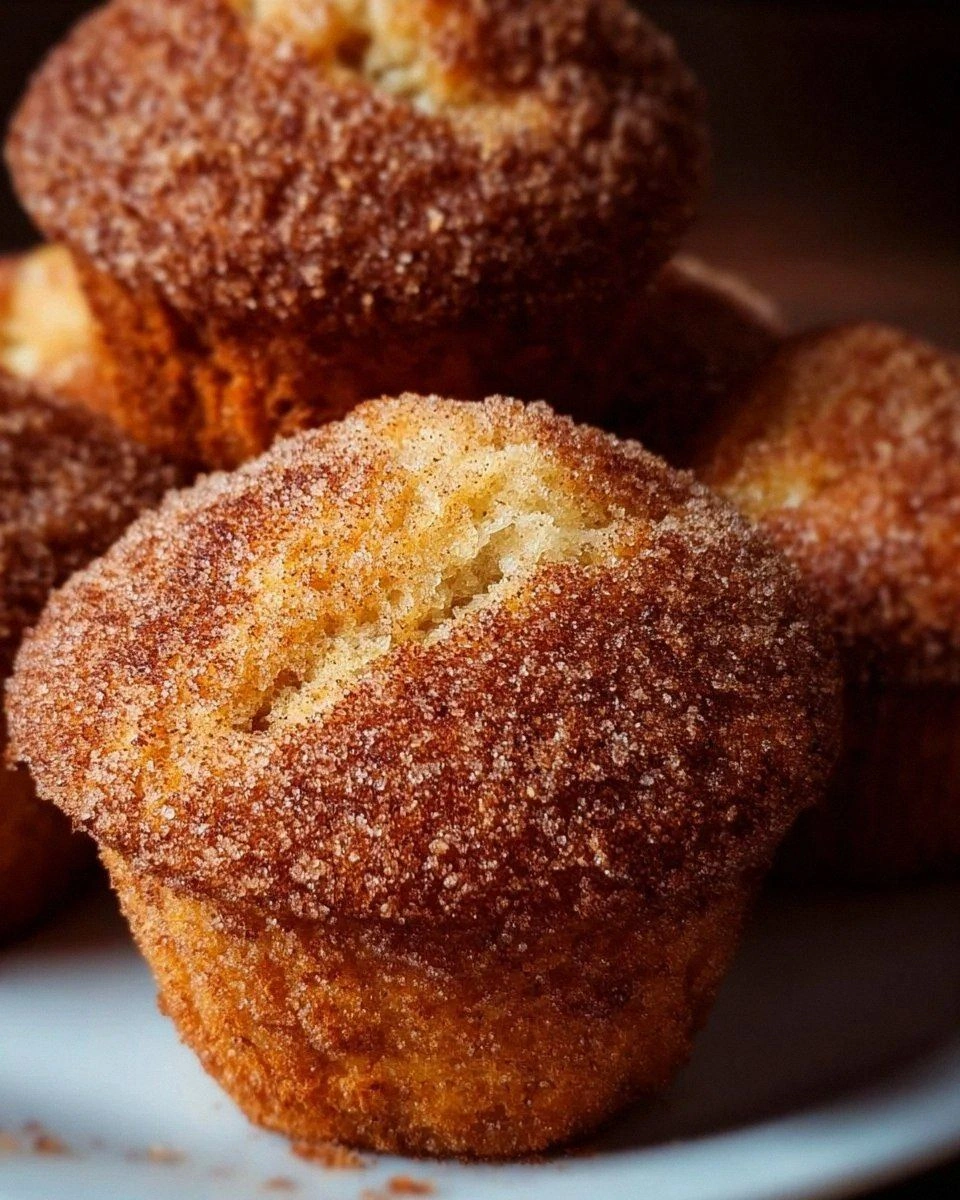
Picture this: the oven door swings open, and a golden halo of steam escapes, carrying the sweet perfume of toasted cinnamon and buttered sugar. The tops are speckled with a glossy, crackly crust that shatters delicately when you bite into it, revealing a tender, cake‑like interior that’s as soft as a cloud yet holds its shape like a perfectly sculpted marble. The first bite delivers a cascade of flavors—the warm spice of cinnamon, the subtle caramel notes from the butter, and just enough sweetness to make your taste buds sing without overwhelming them. The texture is a masterpiece: a slightly crisp edge that gives way to a moist, airy crumb that practically melts on your tongue.
Why does this version stand out from the sea of “cinnamon muffin” posts out there? Most recipes either over‑sweeten, under‑spice, or produce a dense, gummy texture that feels more like a sad pancake than a muffin. I’ve cracked the code by balancing the dry and wet ingredients, using melted butter for richness, and adding a double dose of cinnamon—once in the batter and once on top—for that bold, layered flavor punch. The secret weapon is a simple but game‑changing technique: folding the batter just enough to keep it light, then letting the muffins rest for a few minutes before they hit the heat, which creates that coveted “pull‑away” edge that signals perfection.
I dare you to taste this and not go back for seconds. This is hands down the best version you'll ever make at home, and I’ll be honest—I ate half the batch before anyone else got a chance to try it. Most recipes get this completely wrong. Here’s what actually works: a precise balance of leavening agents, a buttery melt that coats every crumb, and a cinnamon‑sugar topping that caramelizes just right. Let me walk you through every single step — by the end, you'll wonder how you ever made it any other way.
What Makes This Version Stand Out
- Taste: The dual cinnamon infusion gives a depth that feels like a cinnamon roll masquerading as a muffin, while the buttery crust adds a subtle caramel note that lingers.
- Texture: A crisp, caramelized top meets a soft, airy interior—think of a pillow that’s been lightly toasted on the outside.
- Simplicity: Only pantry staples and a handful of steps, no fancy equipment, making it perfect for weeknight baking.
- Uniqueness: The topping isn’t just sprinkled; it’s a butter‑cinnamon glaze that melts into the muffin as it bakes, creating a glossy finish.
- Crowd Reaction: Guests invariably ask for the recipe within minutes, and the “wow” factor is instant.
- Ingredient Quality: Using real butter and pure ground cinnamon makes a world of difference compared to margarine or pre‑ground spice mixes.
- Cooking Method: The brief resting period before baking creates a “dry‑wet” balance that yields that coveted pull‑away edge.
- Make‑Ahead Potential: These muffins freeze beautifully and reheat like fresh‑baked, perfect for busy mornings.
Inside the Ingredient List
The Flavor Base
The foundation of any great muffin is the balance of sweet and spice, and here the 1 cup granulated sugar does more than just sweeten—it provides the right amount of moisture to keep the crumb tender. If you decide to cut back on sugar, you’ll notice a dry texture that feels more like a biscuit than a muffin. For a deeper flavor, consider swapping half of the granulated sugar with brown sugar; the molasses adds a subtle caramel undertone that pairs beautifully with cinnamon.
Next up, the 1 teaspoon ground cinnamon in the batter is the star of the show. I always recommend using freshly ground Ceylon cinnamon if you can find it; it’s sweeter and less harsh than the common Cassia variety. If you’re in a pinch, a dash of nutmeg or a pinch of allspice can add a nuanced background note, but never replace more than ¼ of the cinnamon or you’ll lose the signature flavor.
The Texture Crew
2 cups all‑purpose flour provide structure, but the key is not to overwork the batter. Overmixing develops gluten, which leads to a tough muffin—think of a rubber band rather than a cloud. To avoid this, use a whisk or a rubber spatula and fold just until the dry ingredients are moistened.
1/2 cup unsalted butter, melted is the secret weapon that makes the crumb unbelievably moist. The melted butter coats the flour particles, limiting gluten formation and creating that melt‑in‑your‑mouth feel. If you’re dairy‑free, coconut oil works as a substitute, but expect a faint coconut aroma that can either enhance or clash depending on your palate.
The leavening duo—2 teaspoons baking powder and 1/2 teaspoon baking soda—creates the lift. Baking powder gives an immediate rise, while the soda reacts with the milk’s acidity for a secondary boost. Using too much soda can give a metallic aftertaste; stick to the exact amounts for that perfect puff.
The Unexpected Star
1/4 cup granulated sugar and 1 tablespoon ground cinnamon combine to form the topping that caramelizes during baking. This glaze creates a glossy, crackly crust that shatters like thin ice when you bite into it. If you’re feeling adventurous, drizzle a little maple syrup into the topping mixture for a hint of earthiness.
The Final Flourish
1 cup milk adds moisture and helps dissolve the sugar, ensuring an even crumb. Whole milk yields a richer texture, but 2% works just fine and keeps the calories a bit lower. The 2 large eggs act as binders and add lift; room‑temperature eggs incorporate more easily, preventing lumps.
1 teaspoon vanilla extract is the subtle background singer that rounds out the flavor profile. It’s easy to overlook, but without it the muffins can taste flat. If you love almond, a splash of almond extract (½ teaspoon) can add a delightful twist.
Everything's prepped? Good. Let's get into the real action…
The Method — Step by Step
Preheat your oven to 375°F (190°C) and line a 12‑cup muffin tin with paper liners. As the oven warms, you’ll hear the faint hum of the heating element—a sound that promises golden, aromatic results. While you wait, lightly grease the tin with a brush of melted butter; this tiny step ensures the muffins release cleanly, preventing that dreaded “stuck‑to‑the‑paper” drama.
Kitchen Hack: Toast the paper liners for 30 seconds before adding batter; this adds a subtle buttery flavor to the sides of the muffin.In a large bowl, whisk together the dry ingredients: flour, sugar, baking powder, baking soda, salt, and the 1 teaspoon ground cinnamon. The mixture should look speckled with cinnamon, like a dusty road after a storm. Take a moment to inhale—this is the aroma that will eventually fill your kitchen. Once combined, set the bowl aside; the dry blend is now ready to meet its wet counterpart.
In a separate bowl, whisk the wet ingredients: melted butter, milk, eggs, and vanilla extract. The butter should be warm but not hot, so it doesn’t scramble the eggs. As you whisk, you’ll notice a silky ribbon forming—this is the base that will coat every crumb with buttery goodness. Let the wet mixture sit for a minute; this brief pause lets the butter solidify just enough to create a glossy batter later.
Create the topping by mixing the 1/4 cup granulated sugar with the 1 tablespoon ground cinnamon in a small bowl. Stir until the sugar is evenly coated with cinnamon, forming a fine, fragrant dust. This topping will melt into the batter as it bakes, creating that signature crackly crust. Set it aside, but keep it within arm’s reach—you’ll need it in the final step.
Now comes the crucial folding stage: make a well in the dry mixture and pour in the wet ingredients. Using a rubber spatula, gently fold the batter from the center outwards, turning the bowl as needed. The batter should be thick but slightly lumpy; you’ll see streaks of flour that haven’t fully disappeared—that’s exactly what you want. Over‑mixing is the villain that makes muffins dense, so stop as soon as the last dry spot disappears.
Watch Out: If you see a glossy, runny batter, you’ve over‑mixed; the gluten has developed too much, leading to a tough muffin.Spoon the batter into the prepared muffin cups, filling each about three‑quarters full. As you do this, you’ll notice the batter’s surface smoothing out—this is the moment of truth. Lightly sprinkle the cinnamon‑sugar topping over each mound, pressing gently so it adheres. The topping will melt and caramelize, forming that beautiful crackly crown.
Slide the tin into the preheated oven. Bake for 20‑25 minutes, then rotate the pan halfway through for even browning. You’ll know they’re done when the tops are a deep golden‑brown and a toothpick inserted into the center comes out clean, or with just a few moist crumbs. The edges should start pulling away from the tin, a visual cue that the muffins have achieved that coveted “lift‑off” effect.
Remove the tin from the oven and let the muffins rest for 5 minutes before transferring them to a wire rack. This short cooling period allows the steam to finish the cooking process without making the tops soggy. As they cool, the cinnamon‑sugar crust will harden just enough to give a satisfying snap when you bite into it.
That’s it — you did it. But hold on, I've got a few more tricks that'll take this to another level…
Insider Tricks for Flawless Results
The Temperature Rule Nobody Follows
Most home bakers set the oven to the exact temperature the recipe calls for and forget about the nuances of their own ovens. I recommend preheating the oven to 375°F, then lowering it to 350°F once the muffins are in the tin. This gentle reduction prevents the tops from darkening too quickly while still allowing the interior to rise fully. Trust me, the difference is like night and day—your muffins will have a uniformly golden hue without any burnt spots.
Why Your Nose Knows Best
Your sense of smell is the ultimate timer. About two minutes before the suggested bake time ends, you’ll start to smell that sweet cinnamon‑sugar caramelizing. If the aroma is strong and the tops are already deep brown, pull them out a minute early to avoid over‑baking. Over‑baked muffins lose that melt‑in‑the‑mouth quality and become dry, so let your nose be the guide.
The 5‑Minute Rest That Changes Everything
After mixing, let the batter sit for exactly five minutes. This pause lets the flour fully hydrate, which in turn creates a lighter crumb. I once skipped this step in a rush and ended up with a dense, gummy texture that was far from the airy delight I was aiming for. The rest period also gives the leavening agents a chance to start working, resulting in a higher rise.
The Butter‑Cinnamon Glaze Secret
Instead of just sprinkling the topping, melt a tablespoon of butter and stir it into the cinnamon‑sugar mixture before sprinkling. The butter carries the sugar into the batter, creating a glossy, caramelized crust that’s both crunchy and slightly chewy. This small addition turns an ordinary muffin into a bakery‑level treat that practically glistens.
The Cool‑Down Trick
After the muffins have rested on the rack for five minutes, cover them loosely with a clean kitchen towel. The residual steam re‑moisturizes the crumb, ensuring each bite stays soft even after the muffins have cooled to room temperature. This is the secret behind those muffins that stay fresh for days without turning rubbery.
Creative Twists and Variations
This recipe is a playground. Here are some of my favorite ways to switch things up:
Apple‑Cinnamon Swirl
Fold in ½ cup of finely diced apples (preferably Granny Smith) and add an extra ½ teaspoon of cinnamon. The apples release juices that create tiny pockets of caramel, turning each bite into a mini apple‑pie experience. Perfect for autumn brunches.
Maple‑Pecan Crunch
Replace the plain topping with a mixture of 2 tablespoons maple syrup, ¼ cup chopped pecans, and a pinch of sea salt. The nuts add a buttery crunch while the maple brings a deep, earthy sweetness that pairs beautifully with cinnamon.
Chocolate‑Cinnamon Fusion
Add ¼ cup of dark chocolate chips to the batter and swap half the cinnamon topping for cocoa powder. The result is a mocha‑like muffin that satisfies both chocolate lovers and spice enthusiasts.
Pumpkin‑Spice Delight
Substitute ¼ cup of the milk with pumpkin puree and add a pinch of nutmeg and cloves to the dry mix. This variation brings a velvety autumnal flavor that’s perfect for Thanksgiving mornings.
Savory Herb Twist
Omit the sugar and cinnamon topping, and instead fold in ½ cup shredded sharp cheddar, 1 tablespoon chopped fresh rosemary, and a pinch of cracked black pepper. The result is a savory muffin that pairs wonderfully with a bowl of soup.
Storing and Bringing It Back to Life
Fridge Storage
Place the cooled muffins in an airtight container and store them in the refrigerator for up to three days. A slice of butter or a drizzle of honey before reheating adds a fresh burst of flavor.
Freezer Friendly
Wrap each muffin individually in plastic wrap, then place them in a zip‑top freezer bag. They’ll keep for up to three months. When you’re ready to enjoy one, let it thaw at room temperature for 10 minutes, then pop it in a 350°F oven for 5‑7 minutes.
Best Reheating Method
To revive a day‑old muffin, sprinkle a tiny splash of water on the top and microwave for 15‑20 seconds, or warm in a preheated oven at 300°F for 8 minutes. The water creates steam that restores the crumb’s moisture, while the oven re‑crispes the cinnamon‑sugar crust.