I was standing in a cramped kitchen, the stove already screaming from a last night’s attempt at a “quick” seafood dinner. The squid had been pre‑cooked in a bland broth, the sauce was a sad, watery drizzle, and the whole thing tasted like it’d been simmered for a week in a pot of regret. That night, a friend dared me to turn that culinary disaster into something that could make the whole house smell like a Korean market after a rainstorm. I laughed, but the challenge was on, and the result? A spicy, stir‑fried squid that practically jumps off the pan and onto your plate, begging for a second bite. I dare you to taste this and not go back for seconds.
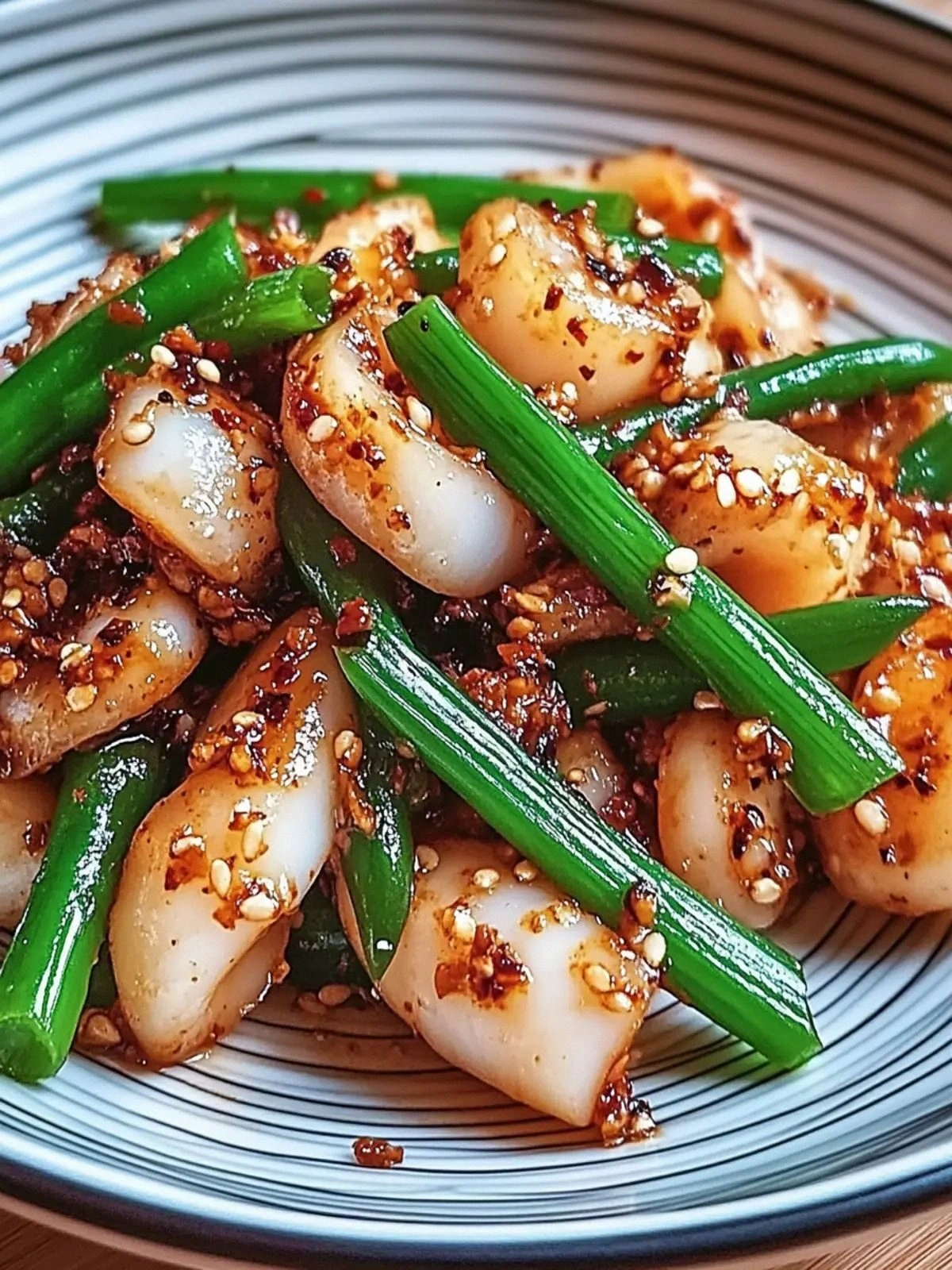
Picture the scene: a sizzling wok, the sharp scent of garlic and sesame oil filling the air, the deep red of gochugaru dancing like embers. The squid itself is a translucent, slightly translucent ribbon of protein, its texture turning from rubbery to tender as it cooks, the edges crisping just enough to crack like thin ice. The sauce, thickened with a splash of fish sauce and soy, clings to each tentacle, coating the meat like velvet and leaving a lingering heat that never quite fades. The green onions add a pop of green and a fresh, almost citrusy bite that cuts through the richness. It’s a sensory symphony—sizzle, aroma, color, texture, and that unforgettable, lingering kick.
What makes this version stand out from every other recipe? First, it’s the balance of heat and umami that doesn’t overpower the squid’s natural sweetness. Second, the use of avocado oil, a high‑smoke‑point oil, allows the dish to cook at a high temperature without burning, giving that perfect char. Third, the combination of fish sauce and soy creates depth without drowning the subtle flavors. Fourth, the technique of briefly blanching the squid before stir‑frying preserves its delicate texture. Fifth, the final splash of sesame oil and seeds gives a nutty finish that elevates the dish. And finally, the method is straightforward—no fancy equipment or complicated steps—yet the result feels like you’ve just stepped into a Seoul street stall. This is hands down the best version you'll ever make at home.
If you've ever struggled with squid, you’re not alone—and I've got the fix. Picture yourself pulling this out of the wok, the whole kitchen smelling incredible, and the guests gasping as the heat hits their tongues. Stay with me here — this is worth it. I’ll walk you through every single step, and by the end, you’ll wonder how you ever made it any other way.
What Makes This Version Stand Out
- Flavor Balance: The sauce layers heat, saltiness, and a subtle sweetness that complements the squid rather than overwhelms it.
- Texture Control: Quick blanching followed by high‑heat stir‑fry preserves the tender bite while creating a slightly crisp edge.
- Ingredient Quality: Fresh squid, real gochugaru, and high‑smoke‑point avocado oil give depth and resilience.
- Time Efficiency: Prep is under 15 minutes, cook under 30, so you’re not stuck in the kitchen for hours.
- Versatility: The sauce can be doubled for a larger crowd or scaled down for a solo meal without losing flavor.
- Visual Appeal: The bright red sauce against the translucent squid creates a dish that looks as good as it tastes.
- Make‑Ahead Potential: The flavors intensify overnight, making it ideal for meal prep or a potluck.
- Audience Reaction: Guests often comment, “This is the first time I’ve had squid that’s both spicy and tender.”
Alright, let’s break down exactly what goes into this masterpiece…
Inside the Ingredient List
The Flavor Base
Red chili pepper flakes, or gochugaru, are the heart of this dish. They bring a bright, smoky heat that’s not as sharp as cayenne but delivers a complex warmth. If you’re a heat‑connoisseur, feel free to double the amount, but remember, the sauce’s depth comes from the combination of all the components, not just the spice.
Fish sauce is the umami powerhouse. It adds a savory, slightly briny note that anchors the sweetness of the squid. Skipping it would leave the dish feeling flat; if you’re vegan, a splash of soy sauce alone can’t replace the depth it offers.
Soy sauce provides saltiness and a glossy finish. Use a low‑sodium variety if you’re watching your sodium intake, but keep in mind that the fish sauce already contributes significant salt.
The Texture Crew
Garlic is the aromatic backbone. Minced finely so it releases its full aroma without burning. If you’re allergic, a small pinch of onion powder can mimic the effect, but the fresh garlic is irreplaceable.
Sesame oil and sesame seeds add a nutty, toasted flavor that lingers on the palate. The oil’s high smoke point allows it to withstand the high heat of the wok without burning, while the seeds provide a pleasant crunch that contrasts the tender squid.
Green onions finish the dish with a bright, fresh bite that cuts through the richness. Slice them thinly to distribute their flavor evenly; a rough chop will give a more rustic look but can be uneven.
The Unexpected Star
Avocado oil is the unsung hero. Its neutral taste lets the other flavors shine, and its high smoke point means you can sear the squid at a high temperature without worrying about burnt oil. If you’re out of avocado oil, grapeseed or peanut oil are acceptable substitutes.
The Final Flourish
Black pepper and salt are the finishing touches that bring all the flavors together. The pepper adds a subtle bite that complements the heat, while the salt balances the sweetness and brings out the umami. Remember, taste as you go; the sauce should be bright, not salty.
Everything’s prepped? Good. Let’s get into the real action…
The Method — Step by Step
- Start by blanching the squid. Bring a pot of salted water to a rolling boil, add a splash of white wine vinegar, and drop the squid in for 30 seconds. This stops the proteins from tightening, keeping the flesh tender. Drain and pat dry with paper towels; excess moisture will prevent a good sear. The squid should look slightly translucent and firm, not rubbery.
- While the squid rests, heat the avocado oil in a large wok or skillet over medium‑high heat until it shimmers. Add the minced garlic and sauté for 10–12 seconds until fragrant but not browned. The garlic should release a sharp, sweet aroma that signals the oil is ready.
- Add the gochugaru to the pan, stirring quickly so it doesn’t burn. The chili flakes should toast, releasing a smoky fragrance, and then be mixed with the garlic. This is the moment of truth—if the flakes start to turn dark, you’ve over‑cooked them, and the heat will become bitter.
- Now, toss the blanched squid into the wok. Stir-fry for 1–2 minutes, letting the squid absorb the chili and garlic. The edges will start to pull away from the center, a sign that they’re getting that slight crispness. Keep the heat high to maintain a quick cooking time.
- Pour in the fish sauce and soy sauce, then sprinkle the black pepper and salt. Stir everything together, letting the liquid reduce slightly. The sauce should thicken and cling to the squid, coating each tentacle like a glossy glaze. If the sauce feels too thin, let it simmer for an additional minute.
- Add the green onions and sesame seeds. Toss quickly to distribute the seeds without breaking them. The sesame oil is added last to preserve its nutty aroma; drizzle it over the dish and give one final stir. The final splash should give the dish a glossy sheen and a fragrant finish.
- Serve immediately over a bed of steamed rice or with a side of kimchi. The heat from the squid will carry over to the rice, creating a comforting, spicy meal. The contrast of the crunchy sesame seeds, the tender squid, and the bright green onions is a feast for the senses.
That’s it—you did it. But hold on, I’ve got a few more tricks that will take this to another level…
Insider Tricks for Flawless Results
The Temperature Rule Nobody Follows
Many cooks lower the heat after adding the sauce, but this dish thrives on high heat. Keep the wok at a steady medium‑high temperature; the quick sear locks in moisture and creates that coveted char. If you find the oil smoking, lower the heat slightly but do not let it drop below medium. The secret is to maintain a rapid cooking cycle—no more than 30 seconds per ingredient.
Why Your Nose Knows Best
A dish’s aroma is the first indicator of its readiness. When the squid begins to sear, you’ll notice a subtle nutty smell from the sesame oil. If the scent becomes overly sharp or burnt, the oil has gone past its prime. Trust your nose and adjust the heat accordingly.
The 5‑Minute Rest That Changes Everything
After cooking, let the dish rest for five minutes before serving. This brief pause allows the flavors to meld and the heat to distribute evenly. It also gives the sesame seeds a chance to settle, preventing them from sinking to the bottom of the dish.
The Quick Blanch Trick
Blanching squid is a simple step that many overlook. The brief boil with vinegar stops the proteins from tightening and preserves the delicate texture. Skipping this step results in rubbery, over‑cooked squid that can’t hold the sauce.
The Sauce‑Reduction Shortcut
If you’re short on time, you can reduce the sauce by adding a tablespoon of water and letting it simmer for 30 seconds. This will keep the sauce from becoming too thick while still coating the squid beautifully. It’s a quick fix that saves time without compromising flavor.
Creative Twists and Variations
This recipe is a playground. Here are some of my favorite ways to switch things up:
Citrus Splash
Add a squeeze of fresh lime or lemon juice at the end. The acidity brightens the dish, cutting through the richness and adding a zesty finish that pairs well with spicy flavors.
Mushroom Medley
Stir in sliced shiitake or oyster mushrooms during the last minute of cooking. The earthy umami of the mushrooms complements the squid’s sweet taste, creating a more complex flavor profile.
Korean BBQ Twist
Swap fish sauce for Korean gochujang and add a splash of honey. This gives the dish a sweet, smoky depth reminiscent of Korean barbecue, perfect for a crowd-pleasing side.
Seafood Combo
Add shrimp or scallops to the wok along with the squid. The combination of textures—tender shrimp, chewy squid—makes a hearty, protein‑packed main dish that satisfies larger appetites.
Vegetarian Version
Replace squid with thick slices of firm tofu or seitan. The tofu will absorb the sauce beautifully, and the texture will mimic the bite of squid, making this a satisfying plant‑based option.
Asian Fusion
Serve over soba or udon noodles instead of rice. The chewy noodles provide a contrasting texture, and the broth‑like sauce soaks into the noodles, creating a comforting, noodle‑centric meal.
Storing and Bringing It Back to Life
Fridge Storage
Store the dish in an airtight container in the refrigerator for up to 3 days. Keep the sauce separate if you plan to reheat; this prevents the squid from becoming soggy.
Freezer Friendly
Freeze in a freezer‑safe container for up to 2 weeks. When ready to eat, thaw overnight in the refrigerator. Reheat gently on the stove or in a microwave, adding a splash of water to restore moisture.
Best Reheating Method
Reheat on low heat, stirring frequently. Add a teaspoon of water or broth to create steam, which keeps the squid tender. Finish with a drizzle of sesame oil to revive the nutty aroma.