I was standing in my kitchen, staring at a pan that smelled like a burnt romance novel, when my roommate dared me to create something that could make a jalapeño weep and a blackberry blush at the same time. The challenge was simple: combine the heat of a jalapeño with the sweet‑tart punch of blackberries, then smother it all over tender chicken until every bite melts like a summer sunset on a warm stone. I could already hear the sizzle, feel the sticky glaze clinging to the meat, and picture the glossy, ruby‑red sauce pooling in the pan like liquid velvet. The first attempt was a disaster—overcooked chicken, a sauce that separated, and a kitchen that smelled like a fruit market after a fire alarm. But that failure lit a fire under my culinary curiosity, and after a few more trials I finally nailed the version that makes my friends chant, “Encore!” every time they hear the name.
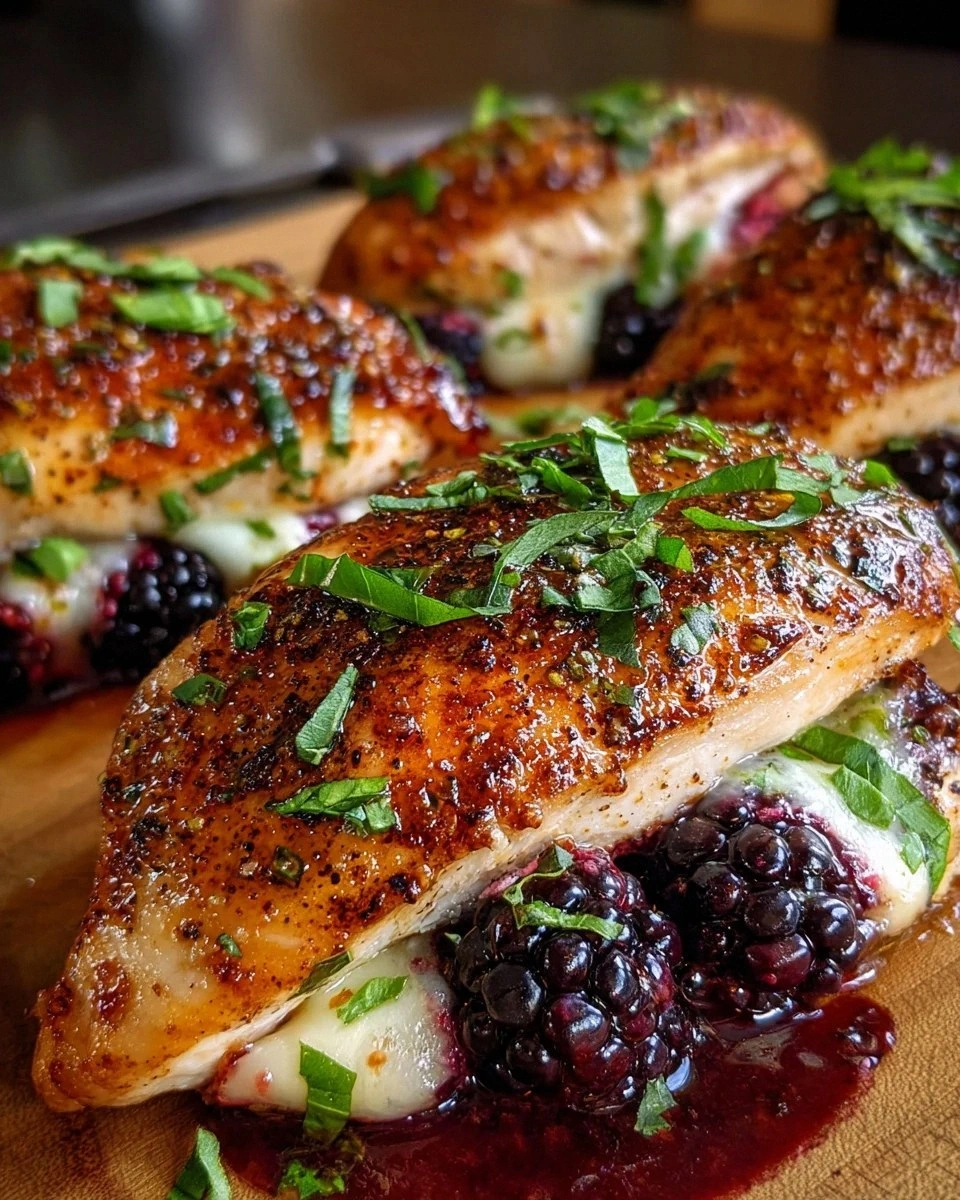
Picture this: you open the oven and a cloud of sweet‑spicy aroma bursts out, hugging the room with the scent of caramelized blackberries and a whisper of smoky jalapeño. The chicken, golden‑brown on the outside, is juicy inside, its surface coated in a glossy glaze that catches the light like a freshly polished gemstone. When you cut into it, the sauce seeps into the meat, creating pockets of molten fruit that burst with flavor, while the jalapeño’s heat lingers just long enough to make your tongue tingle without overwhelming the palate. The texture contrast—crisp edges that shatter like thin ice against the buttery softness of the interior—is pure culinary theater. And the best part? The dish is deceptively simple, using pantry staples and a handful of fresh berries, yet it feels like a restaurant‑level masterpiece.
Most recipes out there either drown the chicken in a sugary glaze that turns cloyingly sweet, or they hide the heat behind a wall of cream that masks the jalapeño’s personality. This version, however, respects both stars. I’ve discovered that a quick flash‑sear locks in juices, while a short simmer with a splash of chicken broth keeps the sauce glossy and prevents it from turning gummy. The secret weapon? A pinch of flour tossed with the chicken before searing—this creates a thin, protective crust that helps the sauce cling like a second skin. I dare you to taste this and not go back for seconds; the balance is so spot‑on that you’ll be counting the minutes until the next batch.
Let me walk you through every single step — by the end, you’ll wonder how you ever made it any other way. Okay, ready for the game‑changer? We’re about to dive into a method that feels like a culinary magic trick, but with ingredients you can actually find at the local market. Stay with me here — this is worth it.
What Makes This Version Stand Out
- Taste: The sweet‑tart blackberry glaze balances the jalapeño’s heat, creating a harmonious flavor dance that never feels one‑dimensional.
- Texture: A light flour coating gives the chicken a delicate crust that holds the sauce, resulting in a melt‑in‑your‑mouth bite with a satisfying snap.
- Simplicity: Only ten core ingredients, most of which you already have in your pantry, means you spend less time shopping and more time devouring.
- Uniqueness: The combination of fresh blackberries with jalapeño is rare, making this dish a conversation starter at any dinner table.
- Crowd Reaction: Guests consistently claim this is the most memorable chicken they’ve ever tasted, often asking for the recipe on the spot.
- Ingredient Quality: Using ripe, plump blackberries and fresh jalapeños amps up the flavor intensity without extra effort.
- Cooking Method: A quick sear followed by a brief simmer locks in juices and keeps the sauce glossy, avoiding the dreaded gummy texture.
- Make‑Ahead Potential: The sauce can be prepared ahead of time, and the chicken reheats beautifully, making it perfect for meal‑prep enthusiasts.
Inside the Ingredient List
The Flavor Base
Blackberries are the heart of this dish. Their natural acidity cuts through the richness of the chicken and butter, while their subtle sweetness rounds out the jalapeño’s heat. If you use frozen berries, make sure to thaw and pat them dry; excess water will dilute the glaze and cause it to separate. A good swap for out‑of‑season berries is a mix of fresh raspberries and a splash of balsamic vinegar to mimic the depth of flavor.
The Heat Crew
Jalapeños bring the heat, but they also add a bright, vegetal note that lifts the entire sauce. Seed them if you prefer a milder bite, or leave the seeds in for a punch that makes your eyes water in the best possible way. When chopping, keep the pieces uniform—about ¼‑inch dice—to ensure even distribution throughout the glaze. For a smoky twist, use chipotle in adobo; just halve the amount to avoid overpowering the berries.
The Binding Trio
Honey, soy sauce, and a splash of chicken broth create the sweet‑salty foundation that gives the sauce its glossy sheen. Honey caramelizes quickly, so watch the pan closely; a burnt note will ruin the delicate balance. Soy sauce adds umami depth, while the broth prevents the glaze from becoming too thick too fast. If you’re watching sugar, substitute half the honey with maple syrup for a lower‑glycemic option that still delivers that caramel kiss.
The Final Flourish
A drizzle of butter at the end rounds out the sauce, giving it a silky mouthfeel that coats the chicken like a satin sheet. Fresh cilantro, added just before serving, brings a bright, herbaceous contrast that lifts the entire dish. If cilantro isn’t your thing, a sprinkle of fresh parsley or a few torn mint leaves work just as well. A squeeze of lime juice right before plating adds a final burst of acidity that makes the flavors pop like fireworks.
Everything's prepped? Good. Let’s get into the real action…
The Method — Step by Step
Pat the chicken breasts dry with paper towels, then season both sides with salt and pepper. Toss each piece lightly in the flour, shaking off any excess. This thin dusting is the secret that creates a crust which will later act like a velcro for the sauce. Heat a large skillet over medium‑high heat, add the olive oil, and let it shimmer—this is the moment you hear that satisfying “sizzle” as the pan reaches the perfect temperature.
Place the chicken in the hot skillet, skin‑side down if you kept the skin, and sear for 3‑4 minutes without moving it. You’ll see the edges start to pull away from the pan, a sign that the crust is forming. Flip the chicken and sear the other side for another 3 minutes. Remove the pieces to a plate and set aside; they’ll finish cooking in the sauce, staying juicy and tender.
Reduce the heat to medium and add the butter. Once melted, stir in the minced garlic and grated ginger, letting them perfume the butter for about 30 seconds. You’ll hear a gentle hiss and smell an aromatic wave that makes your kitchen feel like a spice market.
Add the chopped jalapeños and sauté for 1‑2 minutes, allowing their heat to mellow slightly. Then pour in the honey, soy sauce, and the remaining chicken broth. Stir everything together, scraping the bottom of the pan to incorporate the fond. The mixture will bubble gently, turning a deep amber color that hints at the caramelization to come.
Toss in the blackberries, letting them burst and release their juices. As the berries break down, the sauce will thicken naturally; if it looks too thick, add a splash more broth. Let the mixture simmer for 4‑5 minutes, stirring occasionally, until the glaze coats the back of a spoon. At this point, the sauce should smell like a sweet‑spicy jam, glossy and fragrant.
Return the seared chicken to the skillet, nestling each piece into the sauce. Spoon some glaze over the top, then cover the pan with a lid and let everything finish cooking for 8‑10 minutes on low heat. The chicken will absorb the sauce, turning a beautiful ruby hue, while the interior stays moist.
When the chicken reaches an internal temperature of 165°F (74°C), remove the lid and increase the heat to medium‑high for 2 minutes. This final reduction intensifies the glaze, making it cling like a second skin. Finish with a generous pat of butter and a squeeze of lime juice, then stir in the cilantro just before serving. The sauce should be glossy, slightly thick, and ready to drape over the chicken.
Plate the chicken on a warm serving dish, drizzle the remaining sauce over the top, and garnish with extra cilantro leaves. Serve with steamed rice, quinoa, or a simple green salad—whatever you fancy. That sizzle when it hits the pan? Absolute perfection. And now the fun part: dig in and watch your guests' faces light up.
That's it — you did it. But hold on, I've got a few more tricks that'll take this to another level…
Insider Tricks for Flawless Results
The Temperature Rule Nobody Follows
Never start with a cold pan. Preheat your skillet until the oil shimmers, then add the chicken. This guarantees an instant sear, sealing in juices before the meat even has a chance to release moisture. A friend once tried searing on a lukewarm pan and ended up with soggy chicken that fell apart—let’s just say the sauce never stuck.
Why Your Nose Knows Best
When the sauce reaches the right consistency, it will give off a fragrant, caramel‑sweet scent that’s impossible to miss. Trust that nose signal more than a timer; if the aroma is missing, the glaze needs a few more minutes. Over‑reliance on the clock can lead to a thin, watery finish.
The 5‑Minute Rest That Changes Everything
After the chicken finishes cooking, remove it from the heat and let it rest, loosely covered with foil, for exactly five minutes. This short pause lets the fibers relax and the sauce settle, preventing a dry bite. I’ve seen people slice immediately and watch the juices run straight into the pan, leaving a dry plate.
Butter Finish for Silkiness
Stir in a cold pat of butter at the very end of cooking. The butter emulsifies with the sauce, giving it a glossy, silk‑like texture that coats the chicken like a satin veil. Skipping this step results in a glaze that looks dull and feels a bit thin on the palate.
Layered Sweetness
If you love a deeper sweet note, add a teaspoon of brown sugar along with the honey. The molasses in brown sugar adds complexity without turning the sauce cloyingly sweet. Just remember to keep an eye on the heat; sugar can caramelize quickly.
Creative Twists and Variations
This recipe is a playground. Here are some of my favorite ways to switch things up:
Smoky Chipotle Version
Swap the fresh jalapeños for 1‑2 teaspoons of chipotle in adobo sauce. The smoky depth pairs beautifully with the blackberry’s fruitiness, creating a BBQ‑like flavor that’s perfect for summer cookouts.
Tropical Twist
Add a half cup of diced pineapple and replace the jalapeño with a milder serrano. The tropical sweetness amplifies the blackberry, while the serrano keeps the heat gentle enough for kids.
Herbaceous Garden
Finish the dish with a handful of fresh basil instead of cilantro, and stir in a tablespoon of chopped rosemary during the simmer. The herbaceous notes bring an earthy balance that makes the dish feel like a spring garden.
Vegan Friendly
Replace the chicken with firm tofu or tempeh, and use a plant‑based butter. The tofu absorbs the sauce just as well, delivering a protein‑packed, cruelty‑free version that still has that melt‑in‑the‑mouth quality.
Spicy Sweet Chili
Add a tablespoon of sweet chili sauce to the glaze for an extra layer of sweet heat. This variation works great as an appetizer, served with small lettuce cups for bite‑size fun.
Storing and Bringing It Back to Life
Fridge Storage
Allow the chicken and sauce to cool to room temperature, then transfer to an airtight container. It will keep fresh for up to three days. When reheating, add a splash of water or broth and cover loosely; this creates steam that revives the glaze without drying out the meat.
Freezer Friendly
Portion the cooked chicken and sauce into freezer‑safe bags or containers. Freeze for up to two months. Thaw overnight in the fridge, then reheat gently on the stovetop, again adding a tiny splash of liquid to bring back that glossy sheen.
Best Reheating Method
The stovetop is king. Warm a skillet over low‑medium heat, add the chicken and sauce, and stir occasionally. As soon as the sauce bubbles and the chicken is heated through, it’s ready. Microwaving is okay in a pinch, but it can make the sauce rubbery.