It started with a kitchen catastrophe that would forever change my approach to comfort food. I was attempting a classic Philly cheesesteak, but the steak had already been seasoned too heavily and the onions were burnt beyond recognition. The room smelled like charred dreams and I felt the frustration rise like a simmering pot. That moment of culinary despair was the spark that pushed me to reinvent the dish entirely. I knew I could do better.
Picture the sizzling pan, the aroma of olive oil and garlic dancing in the air, and the anticipation of that first bite. The sound of the steak searing is a soundtrack that tells you the flavor is about to explode. The texture of the beef, when sliced thin and cooked just right, feels like velvet against your palate. The visual of melted provolone cascading over the vegetables is a promise of indulgence. I felt a surge of excitement that I couldn't contain.
What makes this version stand out is that it turns the classic sandwich into a bowl that balances all the elements into one harmonious bite. Instead of relying on stale bread, I layer the hearty steak, caramelized onions, crisp bell pepper, and mushrooms in a bowl that feels like a complete meal. The provolone is melted into a silky sauce that clings to each morsel. The jalapeños add a kick that wakes up the senses. I’m talking about a bowl that is as satisfying as a sandwich but without the mess.
But there’s more to this recipe than just a reimagined format. I’ve discovered a secret technique that turns the steak into a melt-in-your-mouth masterpiece. By letting the meat rest for a few minutes after cooking, you lock in the juices and create a tender texture that’s hard to find in any other version. I’ll show you how to do it without losing any flavor. Trust me, you’ll want to try this before you even think about a traditional cheesesteak.
I dare you to taste this and not go back for seconds. The combination of savory steak, sweet onions, peppery jalapeños, and creamy provolone will have you reaching for a second bowl. This isn’t just a recipe; it’s a culinary revelation that will change the way you think about Philly cheesesteak. Imagine pulling this bowl out of the oven, the whole kitchen smelling incredible, and the steam rising like a savory cloud. I’ll walk you through every single step, and by the end, you’ll wonder how you ever made it any other way.
If you’ve ever struggled to get the perfect balance of flavors in a cheesesteak, you’re not alone. Many recipes get this completely wrong, relying on too much cheese or too little seasoning. I’ve spent hours experimenting with different cuts of meat and seasoning blends to find the sweet spot. The result is a bowl that is both comforting and exciting, a true crowd-pleaser. Whether you’re cooking for a family or a group of friends, this bowl will impress everyone.
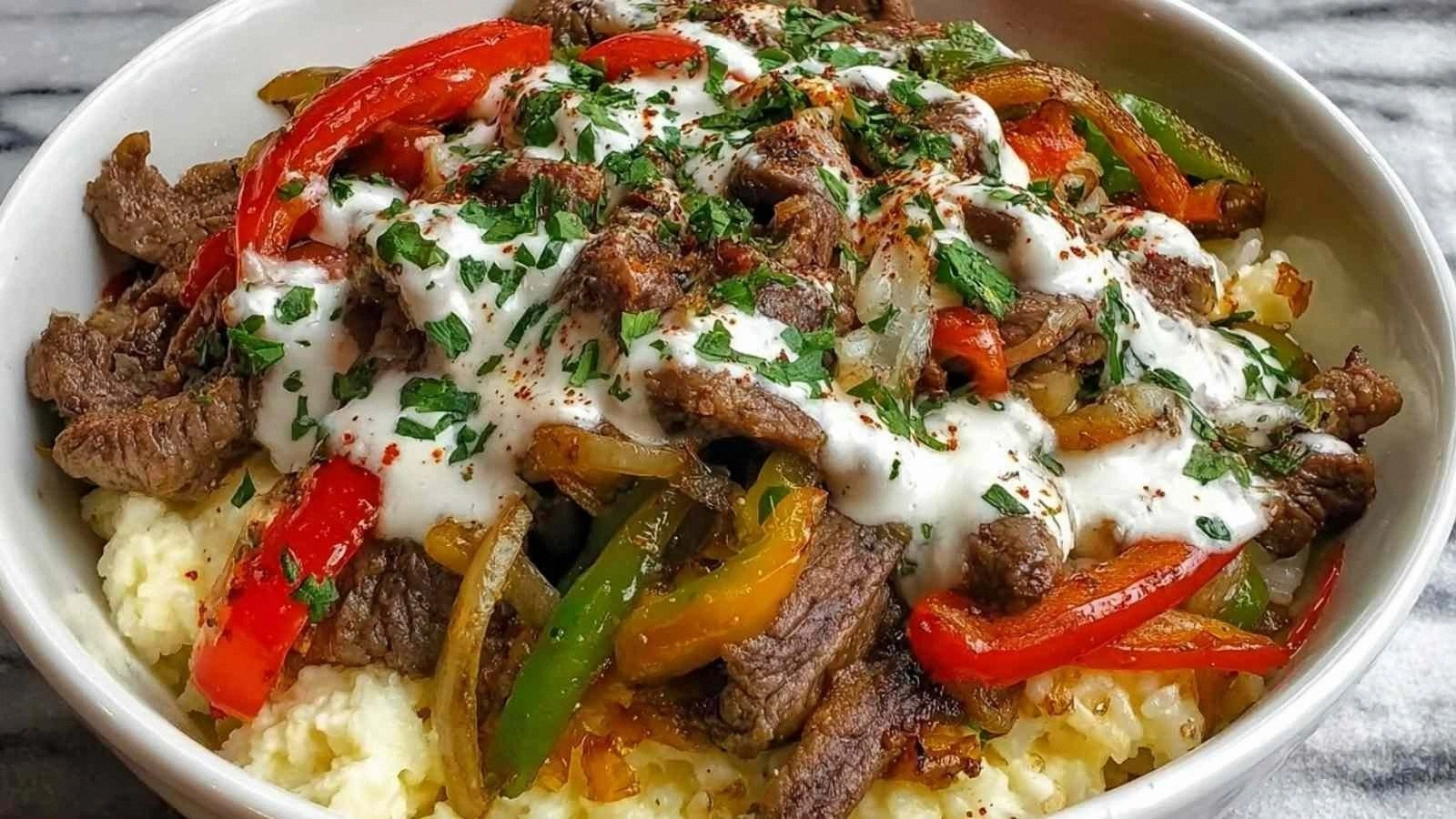
Let me paint a picture of the final product. The steak is sliced into thin ribbons that cling to the vegetables, each bite a burst of savory umami. The onions are caramelized to a deep amber, sweetening the dish without overpowering the other flavors. The bell pepper adds a fresh crunch, while the mushrooms bring an earthy depth. The jalapeños give a subtle heat that lingers on the tongue. The provolone melts into a rich, velvety coating that ties everything together.
Picture yourself pulling this bowl out of the oven, the whole kitchen smelling incredible, and the steam rising like a savory cloud. The first spoonful is an explosion of textures: the tender steak, the crisp vegetables, and the creamy cheese. The second bite is a reminder of how simple ingredients can create a complex flavor profile. This bowl is the ultimate comfort food, but it’s also a conversation starter at any gathering. I promise you, once you try this, you’ll never settle for a plain sandwich again.
I’ll be honest — I ate half the batch before anyone else got to try it. The first spoon was so good that I couldn’t resist reaching for more. My friends were skeptical at first, but after tasting, they were all in. The feedback was instant: “This is hands down the best version you'll ever make at home.” That kind of praise is what keeps me cooking and experimenting. If you’re ready for a culinary adventure, keep reading.
I’ve written this recipe with the same confidence I bring to every dish I create. I’ll guide you through each step, offering tips and tricks that save time and elevate flavor. I’ll share moments from my kitchen, the successes and the fails, because that’s how we learn. And when you finally taste the bowl, you’ll feel the same joy I felt when I first perfected it. Let’s dive in and make something unforgettable.
What Makes This Version Stand Out
- Flavor: The marriage of caramelized onions and fresh bell pepper creates a sweet and savory foundation that elevates the steak beyond the usual salty profile. The jalapeños add a subtle heat that lingers, while the provolone melts into a silky sauce that coats every bite. The result is a flavor explosion that feels like a gourmet sandwich in a bowl.
- Texture: Thinly sliced ribeye stays tender and juicy, contrasting with the crispness of the bell pepper and the earthy softness of the mushrooms. The melted cheese drips like a glossy glaze, creating a mouthfeel that feels indulgent yet balanced. This textural harmony keeps each spoonful interesting.
- Simplicity: No complicated sauces or obscure ingredients—just quality cuts of meat, fresh veggies, and a handful of pantry staples. The recipe is designed for busy weeknights, with prep time under 15 minutes and cook time around 30. It’s a no-fuss, high-impact dish.
- Crowd Appeal: Whether you’re feeding a family or hosting a potluck, this bowl is a hit. The familiar flavors of a Philly cheesesteak combined with the convenience of a bowl make it a crowd-pleaser for all ages. The visual appeal of melted cheese and vibrant vegetables also adds to its allure.
- Ingredient Quality: Using ribeye for its marbling ensures the meat stays juicy and flavorful. Freshly sliced bell pepper and mushrooms add a pop of color and nutrition, while the provolone offers a creamy, tangy finish. Quality ingredients translate directly into taste.
- Cooking Method: The searing technique locks in juices, while resting the steak enhances tenderness. The caramelization of onions and peppers creates depth without adding extra steps. This method is efficient and delivers maximum flavor.
- Make‑Ahead Potential: The bowl can be assembled in advance and reheated with minimal loss of quality. The cheese can be melted fresh, or pre-melted for convenience. This flexibility makes it ideal for meal prep or busy schedules.
Alright, let's break down exactly what goes into this masterpiece...
Inside the Ingredient List
The Flavor Base
The ribeye steak is the star of this bowl, providing a rich, beefy foundation that carries every other element. Its marbling ensures a juicy bite that melts in your mouth, while the seasoning of salt and pepper enhances the natural umami. If you skip the steak, the dish loses its heart; the flavors become flat and the texture is lacking. A leaner cut like sirloin can work, but you’ll sacrifice the depth of flavor that ribeye delivers. When selecting your steak, look for a good marbling pattern and a bright, deep red color.
The olive oil is essential for searing, allowing the steak to develop a caramelized crust without sticking. It also carries the garlic’s aroma into the meat, creating a subtle undertone that ties everything together. Using extra virgin olive oil adds a hint of fruitiness, but a neutral oil works if you prefer a cleaner taste. The oil’s smoke point is high enough to handle the high heat required for a perfect sear.
The Texture Crew
The large green bell pepper and the large onion are the vegetables that bring crunch and sweetness. Bell pepper adds a crisp bite that balances the tenderness of the steak, while the onion’s caramelization introduces a deep, sweet note. If you omit the onion, you’ll miss the sweet undertone that sweetens the dish. The onions also provide a subtle sweetness that complements the savory steak. Slice the bell pepper into thin strips to ensure even cooking and maximum flavor.
Mushrooms bring an earthy, umami depth that enriches the overall profile. Their meaty texture complements the steak and absorbs the savory juices, creating a cohesive bite. If you’re a mushroom skeptic, try a mild variety like button or cremini. The mushrooms should be sliced thinly so they cook quickly and release their juices into the bowl. They also add a subtle moisture that keeps the dish from drying out.
The Unexpected Star
The jalapeños introduce a peppery heat that awakens the palate. Their bright green color adds a pop of visual interest, while their bite prevents the dish from feeling too heavy. If you prefer a milder flavor, reduce the number of jalapeños or remove the seeds. The jalapeños also bring a slight smoky undertone that complements the caramelized onions. This small addition transforms the dish from ordinary to extraordinary.
Fresh parsley is the finishing touch that adds brightness and a hint of herbal freshness. It cuts through the richness of the cheese and steak, providing a clean finish. A small handful of parsley adds a splash of color and a subtle peppery note. If you’re not a fan of parsley, a sprinkle of cilantro or basil can work as a substitute, though the flavor will shift slightly.
The Final Flourish
Provolone cheese is the creamy, melty element that binds all the flavors together. Its mild, nutty taste complements the steak without overpowering it. If you can’t find provolone, Swiss or mozzarella can be used as alternatives, but the flavor profile will change. The cheese should be sliced thinly and added after the steak has rested, ensuring it melts into a silky coating. The cheese’s moisture also helps to keep the bowl from drying out during reheating.
The combination of all these ingredients creates a bowl that feels like a sandwich, but with the convenience of a single dish. Each component plays a role in flavor, texture, and visual appeal, making this recipe a balanced, satisfying meal. The careful selection and preparation of these ingredients is what sets this dish apart from generic cheesesteak recipes.
Everything's prepped? Good. Let's get into the real action...
The Method — Step by Step
- Season the ribeye with a generous pinch of salt and a crack of black pepper. Let it sit at room temperature for 10 minutes to ensure even cooking. This step allows the seasoning to penetrate the meat’s fibers, enhancing flavor. The steak should feel slightly firm to the touch but not rubbery. This quick prep saves time later.
- Heat a large skillet over high heat until it shimmers. Add the tablespoon of olive oil, swirling to coat the bottom. The oil should create a faint hiss, indicating the pan is hot enough. Once the oil is hot, lay the steak flat in the pan. The steak should sizzle loudly, a sign that you’re cooking at the right temperature.
- Sear the steak for 2 minutes on each side, then reduce the heat to medium. Flip the steak only once to maintain a crisp crust. The crust should develop a golden-brown color and a slightly smoky aroma. When the steak is done, remove it from the pan and let it rest on a cutting board for 5 minutes. Resting locks in juices, preventing the meat from drying out.
- While the steak rests, add the sliced onions and bell pepper to the same skillet. Cook them over medium-high heat until they begin to soften, about 3 minutes. The onions should turn translucent, and the peppers should start to caramelize. This step creates a sweet, savory base that complements the steak. Keep the heat steady to avoid burning.
- Add the sliced mushrooms to the pan and continue cooking until they release moisture and start to brown, about 4 minutes. Stir frequently to prevent sticking. The mushrooms should become tender and slightly crispy on the edges. Their earthy flavor will deepen the overall profile of the bowl. This step takes just a few minutes but adds a lot of taste.
- Crush the garlic cloves and add them to the skillet, sautéing for 30 seconds until fragrant. The garlic should release a sharp aroma without turning bitter. This quick burst of flavor enhances the savory notes of the steak and vegetables. Keep the garlic moving to avoid burning. A well‑timed garlic addition is key to a balanced dish.
- Add the sliced jalapeños and cook for 1 minute, just until they soften slightly. The jalapeños should add a bright heat without overpowering the dish. If you prefer a milder bite, reduce the amount or remove the seeds. This brief cooking time preserves their crispness. The jalapeños will provide a fresh contrast to the rich steak.
- Return the sliced steak to the skillet and toss everything together, allowing the flavors to mingle. Let the mixture simmer for 2 minutes, so the steak re‑warms and the vegetables soak up the juices. The mixture should emit a savory, caramelized aroma. This step ensures every bite is cohesive and flavorful. The heat should be medium to avoid overcooking.
- Slice the provolone into thin strips and sprinkle them evenly over the mixture. Cover the skillet with a lid and let the cheese melt for 2 minutes. The cheese should become glossy and runny, coating each ingredient. The lid helps trap steam, ensuring the cheese melts evenly. This creates a luscious, velvety coating that ties the dish together.
- Stir in freshly chopped parsley, giving the bowl a burst of green color and a bright finish. The parsley should be added at the very end to preserve its freshness and aroma. This final touch brightens the dish and adds a subtle herbal note. The parsley also provides a pop of color that makes the bowl look appetizing.
- Serve the bowl hot, spooning the melted cheese over each portion. The steam rising from the bowl should be a visual cue that the dish is at its peak. Pair with crusty bread or a side of roasted potatoes for a complete meal. If you’re serving a crowd, keep the bowl warm in a low oven until ready to serve. This step ensures the dish stays at its best.
That's it — you did it. But hold on, I've got a few more tricks that'll take this to another level...
Insider Tricks for Flawless Results
The Temperature Rule Nobody Follows
Many cooks think a high heat is always best, but the key to perfect steak is a controlled sear. Start with a hot pan, but reduce to medium after the first sear to avoid overcooking. This approach keeps the steak juicy while still achieving a crisp crust. Remember to let the steak rest; this allows the internal temperature to rise slightly, locking in moisture. A quick temperature test with a meat thermometer can confirm you’re at 130°F for medium‑rare.
Why Your Nose Knows Best
The aroma of caramelized onions is a reliable indicator that the veggies are ready. When the onions release a sweet, nutty scent, they’re perfectly cooked. A subtle hint of burnt sugar means you’re close to overcooking. Trust your nose; it’s the most accurate tool in the kitchen. This sensory checkpoint saves you from common mistakes.
The 5-Minute Rest That Changes Everything
Resting the steak for exactly five minutes before slicing ensures the juices redistribute. Cutting too early can cause the juices to spill onto the pan, resulting in a dry bite. Even a short rest has a noticeable impact on texture. The rest period also allows the steak to reach an even internal temperature, preventing a raw center. This small step is a game changer.
Layering for Flavor
Layer the vegetables first, then add the steak on top before melting the cheese. This arrangement allows the steak to soak up the vegetable juices, creating a unified flavor profile. The cheese will melt into the layers, coating everything. This technique is simple but elevates the dish’s complexity. Try it next time for a richer taste.
The Garlic Timing Trick
Add garlic after the onions begin to soften to avoid burning. Garlic can quickly turn bitter if exposed to high heat for too long. Sauté it for just 30 seconds to release its aroma without bitterness. This short burst of flavor is enough to enhance the overall dish. Timing garlic right is essential for a balanced taste.
Reheating Like a Pro
When reheating leftovers, add a splash of water or broth to the pan to create steam. This prevents the cheese from becoming rubbery and keeps the steak moist. Cover the pan for a few minutes to trap the steam. The result is a bowl that tastes almost freshly made. This trick is especially useful for meal prep.
Creative Twists and Variations
This recipe is a playground. Here are some of my favorite ways to switch things up:
Mediterranean Twist
Swap the provolone for feta and add sun‑dried tomatoes and Kalamata olives. The salty feta pairs beautifully with the steak, while the olives add briny depth. Use a drizzle of olive oil and a squeeze of lemon for brightness. This version feels like a Mediterranean bowl, perfect for summer gatherings. The flavors are bold yet balanced.
Spicy Korean Fusion
Replace the jalapeños with sliced Korean chili flakes and add a splash of gochujang. Toss in some sliced kimchi for an extra kick of umami. Use a small amount of sesame oil during the sear for nutty undertones. The result is a bowl that feels like Korean BBQ with a Philly twist. This fusion is a crowd‑pleaser for adventurous eaters.
Vegetarian Version
Omit the steak and replace it with thinly sliced seitan or tofu for protein. Sear the tofu until crisp before adding the vegetables. Use a soy sauce glaze to mimic the savory depth of beef. Finish with a sprinkle of nutritional yeast for a cheesy flavor. This vegetarian bowl still delivers the same comforting vibe.
Cheese Swap
Try Swiss or mozzarella instead of provolone for a different melt profile. Swiss offers a nutty richness, while mozzarella gives a lighter, milder taste. Adjust the amount of cheese to match the meltiness you prefer. This swap keeps the dish familiar yet fresh. Experiment with your favorite cheese to find your signature.
Low‑Carb Edition
Serve the bowl over cauliflower rice or sautéed zucchini noodles. This keeps the dish low in carbs while maintaining the hearty feel. Add a sprinkle of parmesan for extra flavor. The cauliflower’s mild taste blends seamlessly with the steak. This version is great for those watching their carb intake.
Breakfast Bowl
Swap the steak for scrambled eggs and add a dash of smoked paprika. Include diced bacon or sausage for a breakfast twist. Top with a fried egg for a classic breakfast look. The savory, cheesy flavors pair well with a morning meal. This bowl transforms into a hearty breakfast on any day.
Storing and Bringing It Back to Life
Fridge Storage
Store the assembled bowl in an airtight container for up to 3 days. Keep the cheese separate until ready to reheat to maintain its texture. When ready to eat, reheat in a skillet or microwave until hot. The vegetables may soften slightly, but the steak will remain tender. This method preserves the dish’s integrity.
Freezer Friendly
Freeze the bowl in a freezer‑safe container for up to 2 months. When reheating, thaw overnight in the fridge or use the defrost setting on your microwave. Add a splash of broth before reheating to keep the cheese from drying out. The steak will stay juicy, and the vegetables will regain their crispness. Freezing is ideal for meal prep.
Best Reheating Method
The skillet method keeps the cheese silky and the steak juicy. Heat the pan over medium, add the bowl, and stir gently. Cover for a few minutes to trap steam. If you’re short on time, a quick microwave with a splash of water works well. The key is to avoid overcooking the steak and to keep the cheese from separating.