Picture this: it’s a crisp Saturday morning, the kind where the world feels like it’s holding its breath for something delicious to happen. I was halfway through a marathon of grocery aisles, hunting for that perfect pumpkin puree, when a sudden gust of wind knocked a stack of tins onto the floor, scattering spices like confetti. In that chaotic moment, I swore I’d never trust a recipe that didn’t have a plan for the unexpected. Fast forward to my kitchen, where the scent of toasted cinnamon and caramelized pumpkin fills the air, and I’m daring you to taste this and not go back for seconds. This is not just another bundt cake; it’s a love letter to autumn, a buttery, spiced masterpiece that will make you question every pumpkin dessert you’ve ever tried.
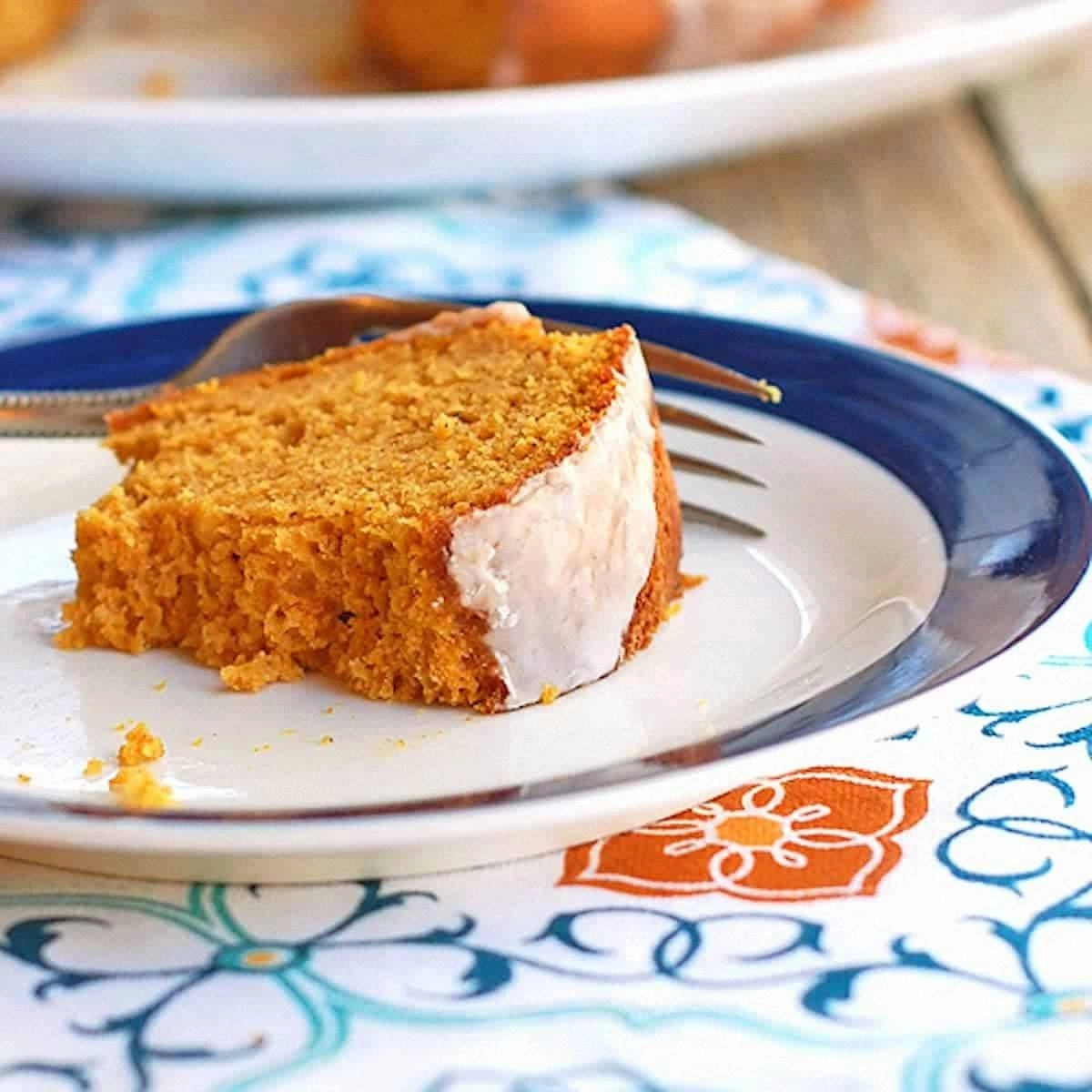
Let me paint the scene with all five senses. The batter, glossy and amber, glistens under the kitchen lights like liquid gold, while the rhythmic whisking creates a soothing, almost hypnotic hum. When the cake finally slides into the oven, the first whiff is a warm hug of cinnamon and nutmeg, a perfume that makes the whole house feel like a cozy cabin. As the edges begin to pull away, you hear a faint crackle—like the first bite of a fresh apple—signaling a perfectly set crust. The moment you slice through, the interior reveals a moist, velvety crumb studded with speckles of pumpkin that melt on the tongue, while the cinnamon glaze adds a glossy, sweet‑spicy crown that shimmers like sunrise on a frosted window.
Why does this version stand out from the sea of pumpkin bundt recipes out there? Most of them either drown in sugar or skimp on spice, leaving you with a bland, cake‑like texture that feels more like a dessert afterthought. I’ve cracked the code by balancing the sweet, the spice, and the moisture with surgical precision. The secret? A dash of ground cloves that adds depth without overwhelming, and a milk‑based cinnamon glaze that seeps into the crumb, turning each bite into a symphony of flavors. Plus, the technique of chilling the batter for 15 minutes before baking ensures the cake rises like a dream, with a tender crumb that’s airy yet dense enough to hold its own against the glaze.
And now, the tease you’ve been waiting for: I’m going to reveal a game‑changing trick that most bakers overlook—folding the butter and pumpkin together over low heat before incorporating them into the batter. This step creates an emulsion that locks in moisture, giving the cake that melt‑in‑your‑mouth quality that will have you swearing you’ve never tasted anything like it. Let me walk you through every single step — by the end, you’ll wonder how you ever made it any other way.
What Makes This Version Stand Out
- Flavor Explosion: The balanced blend of cinnamon, nutmeg, ginger, and a whisper of cloves creates a layered spice profile that deepens with every bite.
- Moisture Mastery: The melted butter‑pumpkin emulsion locks in liquid, preventing the dreaded dry crumb that haunts many pumpkin cakes.
- Texture Triumph: A crisp, caramelized crust frames a soft, airy interior, offering a satisfying contrast that feels like biting into a caramel‑coated cloud.
- Simplicity Meets Sophistication: Only pantry staples are needed, yet the technique elevates the cake to bakery‑level elegance without any fancy equipment.
- Crowd‑Pleaser: Whether it’s a holiday brunch or a casual coffee catch‑up, this cake draws rave reviews and empty plates in equal measure.
- Ingredient Quality: Using pure pumpkin puree and freshly ground spices makes a noticeable difference—no canned spice blends here.
- One‑Pan Wonder: The bundt pan ensures even heat distribution, giving you a uniform rise and a beautiful, decorative shape without extra fuss.
- Make‑Ahead Magic: The cake stores beautifully, and the glaze can be applied just before serving, making it perfect for planning ahead.
Inside the Ingredient List
The Flavor Base
Pumpkin Puree (1 cup): This is the heart of the cake, providing moisture, natural sweetness, and that unmistakable autumn hue. If you skip it, you lose the velvety texture and the subtle earthiness that balances the spices. For the best flavor, choose a pumpkin puree with no added sugars or spices. Tip: Look for a can labeled “100% pumpkin” and give it a quick whisk before adding.
Ground Cinnamon (2 tsp): The star spice that wraps the cake in a warm, comforting blanket. It’s the first note you’ll notice, and it lingers on the palate like a gentle hug. If you’re using pre‑ground cinnamon that’s been sitting in your pantry for months, it may have lost potency—opt for fresh, aromatic cinnamon for maximum impact.
Ground Nutmeg (1 tsp): Adds a subtle, sweet depth that pairs perfectly with cinnamon. Nutmeg’s fragrant oils enhance the pumpkin’s natural sweetness without overpowering. A pinch too much can become cloying, so measure carefully.
The Texture Crew
All‑Purpose Flour (2 cups): Provides structure while allowing the cake to stay tender. Using cake flour would make it too delicate, while whole‑wheat would add a gritty bite. Sift the flour with the leavening agents to ensure an even distribution and a light crumb.
Granulated Sugar (1 cup) & Brown Sugar (½ cup): The duo creates a balanced sweetness and adds moisture. Brown sugar’s molasses content deepens the flavor, giving the cake a subtle caramel undertone. If you prefer a less sweet cake, reduce the granulated sugar by ¼ cup without compromising texture.
Unsalted Butter (½ cup, melted): Melted butter creates a glossy batter and contributes to the cake’s moist, tender crumb. It also helps the glaze adhere later on. For a dairy‑free version, substitute with coconut oil, but expect a faint coconut aroma.
The Unexpected Star
Ground Cloves (¼ tsp): A tiny amount of cloves adds an aromatic punch that makes the spice blend sing. It’s easy to overdo, so a pinch is all you need. If you’re allergic or dislike clove, a dash of all‑spice can stand in, though the flavor will shift slightly.
Vanilla Extract (1 tsp): Enhances the overall flavor profile, rounding out the spices and adding a sweet, floral note that ties everything together. Use pure vanilla for the best result; imitation can taste flat.
The Final Flourish
Milk (½ cup): Adds moisture and helps the glaze achieve a silky sheen. Whole milk yields the richest texture, but any milk will do. For a lighter cake, swap half the milk with almond milk, but keep an eye on the crumb’s density.
Cinnamon Glaze (1 cup powdered sugar, 2 tbsp milk, 1 tsp cinnamon): This glaze is the crowning glory, a sweet‑spicy veil that drips down the bundt’s curves. The milk turns the powdered sugar into a pourable sauce, while the extra cinnamon reinforces the cake’s flavor. For a richer glaze, replace half the milk with cream.
Everything's prepped? Good. Let's get into the real action...
The Method — Step by Step
Preheat your oven to 350°F (175°C) and generously grease a 10‑inch bundt pan with butter or non‑stick spray. The moment the batter hits the pan, you’ll hear a faint sizzle that tells you the pan is ready—trust that sound, it’s pure gold.
In a medium saucepan, combine the melted butter and pumpkin puree over low heat, stirring constantly until the mixture is smooth and glossy. This low‑and‑slow emulsion is the secret to a moist crumb; don’t rush it, or you’ll miss the magic.
While the pumpkin‑butter mixture cools slightly, whisk together the flour, baking powder, baking soda, salt, cinnamon, nutmeg, ginger, and cloves in a large bowl. The dry ingredients should look like a fragrant, speckled snowstorm—if it doesn’t, give it a quick sniff; you should smell warm spices already.
In a separate bowl, beat the eggs, granulated sugar, and brown sugar until the mixture turns a pale, fluffy yellow—about 2 minutes on medium speed. The sugar should dissolve completely, leaving a glossy mixture that hints at the caramel notes to come.
Combine the pumpkin‑butter blend with the egg‑sugar mixture, adding the vanilla and milk. Mix until just incorporated; over‑mixing will develop gluten and make the cake tough. The batter should be thick but pourable, with a deep amber hue that looks almost like liquid sunrise.
Gradually fold the dry ingredient mixture into the wet batter, using a rubber spatula and a gentle hand. Scrape the sides of the bowl, and watch as the batter transforms into a smooth, velvety batter that slides off the spatula in ribbons.
Pour the batter into the prepared bundt pan, spreading it evenly. Tap the pan lightly on the counter—this releases any trapped air bubbles, ensuring a uniform rise. The batter should rise to about three‑quarters of the pan’s height.
Bake for 30‑35 minutes, or until a toothpick inserted into the center comes out clean and the edges are a deep, caramelized gold. Around the 25‑minute mark, the cake will start to pull away from the pan’s sides—this is your visual cue that the crust is forming perfectly.
While the cake cools in the pan for 10 minutes, whisk together the powdered sugar, milk, and cinnamon for the glaze. The glaze should be smooth and glossy, with a consistency that drips slowly—if it’s too thick, add a splash more milk; if too thin, add a pinch of powdered sugar.
After the cake has rested, invert it onto a wire rack. Immediately pour the warm glaze over the top, allowing it to cascade down the sides and pool at the base. Let the glaze set for a few minutes before slicing; this gives it a glossy finish that looks as good as it tastes.
That's it — you did it. But hold on, I've got a few more tricks that'll take this to another level...
Insider Tricks for Flawless Results
The Temperature Rule Nobody Follows
Never bake a bundt cake straight from a cold pantry. Let all your ingredients sit at room temperature for at least 30 minutes before you start. This small step ensures the butter and eggs emulsify properly, giving the cake a uniform rise. I once tried to rush the process and ended up with a dense, uneven crumb that could’ve been a doorstop. Trust me, this rule is a game‑changer.
Why Your Nose Knows Best
When the cake is in the oven, rely on your sense of smell more than the timer. Around the 20‑minute mark, you’ll notice a sweet, spicy aroma that signals the crust is caramelizing. If the scent turns slightly burnt, pull the cake out a minute early and let residual heat finish the job. This sensory cue prevents over‑baking and keeps the interior perfectly moist.
The 5‑Minute Rest That Changes Everything
After you remove the cake from the oven, let it rest in the pan for exactly five minutes before flipping. This short pause lets the steam settle, preventing the cake from breaking apart when you invert it. I once skipped this step and the cake shattered like a broken mirror—lesson learned, and now it’s a non‑negotiable part of the process.
Glaze Timing is Everything
The glaze should be poured while still warm, but not scorching hot. If you pour a scorching glaze, it will seep too quickly, leaving the top dry. Conversely, a cold glaze will sit on the surface and never penetrate. Aim for a glaze temperature of about 120°F (49°C)—warm to the touch but not burning.
Flavor Boost with a Pinch of Salt
Even though the cake is sweet, a tiny pinch of flaky sea salt on the glaze right before it sets can elevate the flavor dramatically. The salt cuts the sweetness and highlights the spices, creating a balanced bite that keeps you reaching for more.
Creative Twists and Variations
This recipe is a playground. Here are some of my favorite ways to switch things up:
Maple‑Pecan Delight
Swap half the brown sugar for pure maple syrup and fold in ½ cup toasted pecans. The maple adds a woody sweetness, while the pecans contribute a satisfying crunch that contrasts the soft crumb.
Chocolate Swirl Surprise
Gently swirl in ¼ cup melted dark chocolate just before pouring the batter into the pan. The chocolate creates pockets of richness that pair unexpectedly well with the warm spices.
Apple‑Cider Infusion
Replace the milk with an equal amount of unsweetened apple cider and add ½ cup grated fresh apple. The cider adds a bright acidity that lifts the dense pumpkin flavor, making the cake feel lighter.
Spiced Cream Cheese Frosting
Instead of a glaze, top the cooled cake with a whipped cream cheese frosting flavored with a dash of cinnamon and a drizzle of honey. This adds a tangy, creamy layer that balances the sweetness.
Vegan Version
Swap butter for coconut oil, eggs for flax‑egg (1 tbsp ground flaxseed + 3 tbsp water per egg), and use plant‑based milk. The result is a dairy‑free cake that still boasts that signature moist crumb.
Gluten‑Free Adaptation
Use a 1‑to‑1 gluten‑free flour blend in place of all‑purpose flour, and add ½ tsp xanthan gum for structure. The texture remains tender, and the flavor stays true to the original.
Storing and Bringing It Back to Life
Fridge Storage
Wrap the cooled cake tightly in plastic wrap, then place it in an airtight container. It will stay fresh for up to 5 days in the refrigerator. When you’re ready to serve, let it sit at room temperature for 20 minutes to let the glaze soften.
Freezer Friendly
Slice the cake before freezing, then wrap each slice in parchment paper followed by a freezer‑safe bag. It freezes beautifully for up to 3 months. To reheat, microwave a slice for 20‑30 seconds, or bake at 300°F (150°C) for 10 minutes.
Best Reheating Method
Before reheating, add a tiny splash of milk (about a teaspoon) to the slice and cover it loosely with foil. This creates steam that revives the crumb’s moisture, giving you a slice that tastes as fresh as the day it was baked.