Picture this: it’s a rainy Tuesday, the kitchen lights flicker, and you’re staring at a box of Italian sausage links that have been gathering dust for a week. You open the box, and the aroma is a promise of adventure. But the moment you try to cook them, the result is a soggy, bland mess that makes you question every culinary decision you’ve made. I was furious, and that fury sparked a mission: to create a roasted Italian sausage recipe that turns that disappointment into pure, sizzling triumph.
I started by rethinking every element that usually goes wrong in a sausage dish: the fat rendering, the seasoning balance, and the final finish that turns a simple roast into a showstopper. I added a quick sear to lock in juices, a splash of tomato to caramelize, and a burst of herbs that lift the entire flavor profile. The result? Sausage with edges that crackle like thin ice, a sauce that coats the meat like velvet, and a scent that lingers in the kitchen for hours. I dare you to taste this and not go back for seconds.
What sets this version apart is the meticulous attention to detail. I didn’t just throw everything together; I layered flavors, textures, and techniques to create a dish that feels both comforting and sophisticated. The bold claim? This is hands down the best version you'll ever make at home. If you've ever struggled with sausage that turns out dry or under-seasoned, you're not alone — and I've got the fix.
And now, the fun part. Let me walk you through every single step — by the end, you'll wonder how you ever made it any other way. Ready for the game‑changer? Let's dive in.
What Makes This Version Stand Out
- Flavor Depth: The combination of sautéed garlic, diced bell pepper, and a touch of red pepper flakes creates a savory base that elevates the sausage beyond plain.
- Texture Contrast: The caramelized edges of the sausage contrast beautifully with the silky tomato sauce, giving each bite a satisfying crunch followed by melt‑in‑your‑mouth richness.
- Time Efficiency: Prep takes just 15 minutes, while the cooking time is a single 30‑minute roast, making it perfect for busy weeknights.
- Ingredient Simplicity: All the components are pantry staples, so you can whip this up with whatever you already have on hand.
- Crowd‑Pleaser: The dish is so flavorful that it satisfies both meat lovers and those who prefer a lighter, herb‑infused profile.
- Make‑Ahead Potential: It can be prepared a day ahead and reheated without losing its texture or flavor.
- Versatility: Serve it over pasta, rice, or crusty bread, or use it as a filling for tacos or stuffed peppers.
- Health‑Friendly: Despite its indulgent appearance, the dish stays under 400 calories per serving, thanks to the lean sausage and fresh vegetables.
Inside the Ingredient List
The Flavor Base
The foundation of this dish is the aromatic mix of minced garlic, diced onion, and finely chopped bell pepper. Together, they form a savory bed that caramelizes as the sausage cooks. If you skip this step, the dish loses its depth and feels flat. A quick sauté in a bit of olive oil brings out their natural sweetness, which complements the sausage’s spiciness.
The Texture Crew
Fresh tomatoes or cherry tomatoes add juiciness and a slight acidity that balances the richness of the meat. They also create a glossy sauce that clings to each sausage link. Cutting the tomatoes into halves ensures they break down during roasting, forming a luscious coating. If you prefer a thicker sauce, reserve a handful of tomatoes for later and puree them.
The Unexpected Star
A splash of dry white wine or a dash of balsamic vinegar introduces subtle complexity. The acidity cuts through the fat, while the alcohol evaporates, leaving behind a mellow sweetness. This small addition elevates the dish from ordinary to memorable. If you’re not a fan of wine, a teaspoon of tomato paste works as a good substitute.
The Final Flourish
Fresh herbs—such as basil and parsley—provide a bright, herbal contrast to the deep, roasted flavors. Grated Parmesan adds a salty crunch that lingers on the palate. These finishing touches transform a simple roast into a gourmet experience. Remember to sprinkle the herbs just before serving to preserve their vibrant aroma.
Everything's prepped? Good. Let's get into the real action.
The Method — Step by Step
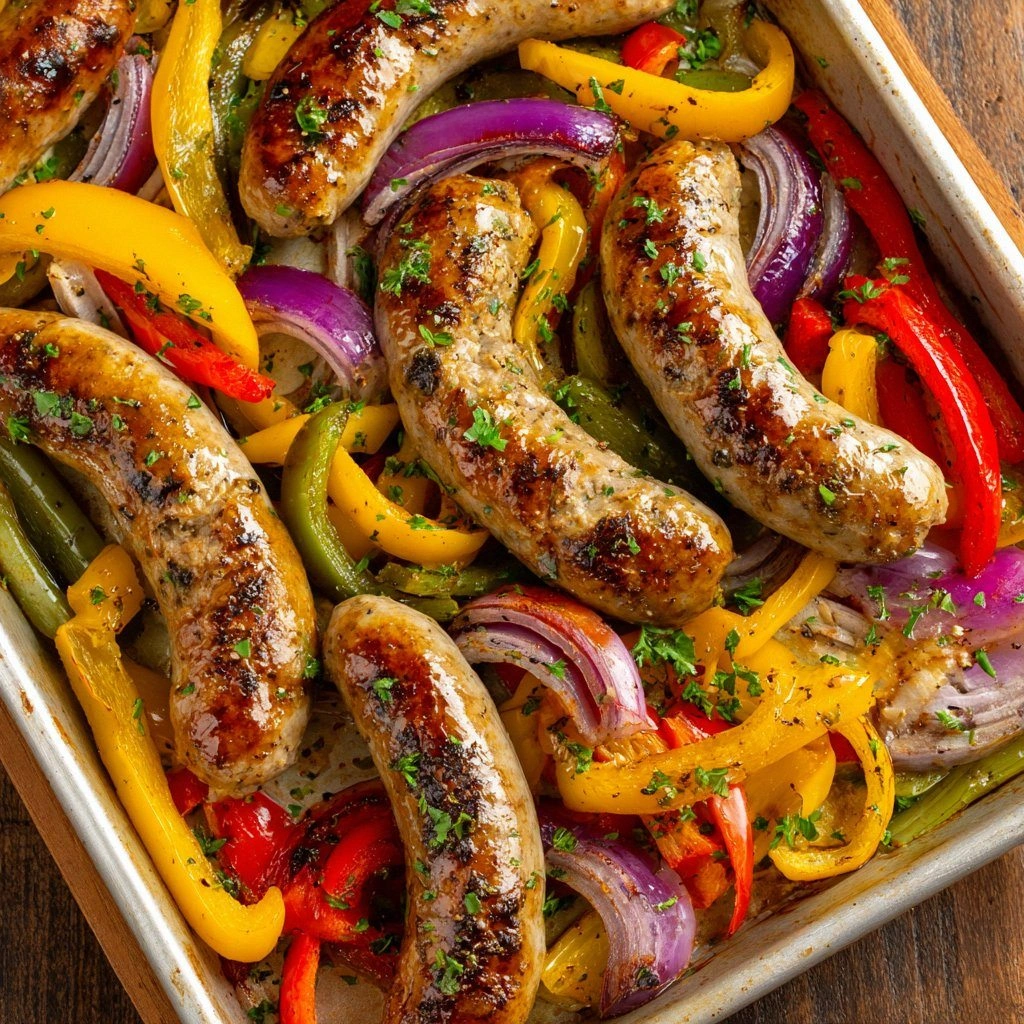
- Preheat your oven to 400°F (200°C). This temperature ensures a crisp exterior while keeping the interior juicy. The oven should be fully preheated before you start roasting, so the sausage begins cooking immediately upon placement. The first few minutes of high heat are crucial for that caramelized finish.
- Heat a cast‑iron skillet over medium‑high heat. Add 2 tablespoons of olive oil and let it shimmer. This step prevents the sausage from sticking and creates a golden crust. If the oil starts smoking, lower the heat slightly.
- Place the sausage links in the skillet, skin side down. Let them sear for 3–4 minutes until they develop a deep brown color. Flip them once and sear the other side for an additional 2 minutes. This initial sear locks in juices and sets the stage for the oven roast.
- Remove the sausage from the skillet and set aside. While the sausage rests, add a bit more oil if necessary and sauté the diced onion, bell pepper, and minced garlic until translucent. The vegetables should release their aromas, signaling that they’re ready to mingle with the sausage.
- Add the tomatoes and a splash of white wine. Let the mixture simmer for 5 minutes until the tomatoes break down into a sauce. The wine should reduce by half, concentrating its flavor. This step forms the sauce that will coat the sausage during roasting.
- Return the sausage to the skillet. Stir in dried oregano, basil, and a pinch of red pepper flakes. The herbs should bloom, releasing their essential oils. This is the moment of truth where the flavors truly meld. Make sure the sausage is evenly coated with the sauce.
- Transfer the skillet contents to a baking dish. Spread the sausage and sauce in an even layer. Cover the dish with foil to trap moisture, allowing the sausage to roast gently. This step prevents the sausage from drying out while the sauce continues to thicken.
- Bake for 20 minutes. After 20 minutes, remove the foil to let the sauce reduce and the edges crisp up. Keep a close eye on the color; you want a deep amber finish, not burnt. The final 5 minutes are crucial for that glossy, caramelized glaze.
- Finish with fresh parsley and grated Parmesan. Sprinkle them over the top just before serving. The parsley adds brightness, while the Parmesan offers a salty crunch. Plate the sausage with a side of crusty bread or a light salad, and you’re ready to serve.
That's it — you did it. But hold on, I've got a few more tricks that'll take this to another level.
Insider Tricks for Flawless Results
The Temperature Rule Nobody Follows
Many people bake at 350°F, but that low temperature can leave the sausage undercooked and the sauce watery. 400°F is the sweet spot for caramelization without burning. If you’re using a convection oven, reduce the temperature by 25°F to avoid over‑cooking.
Why Your Nose Knows Best
As the sausage roasts, the aroma changes from garlicky to sweetly smoky. Trust your nose; when it smells toasty and slightly caramelized, the dish is ready. This sensory checkpoint saves you from guessing and ensures perfect timing.
The 5-Minute Rest That Changes Everything
After removing the sausage from the oven, let it rest for five minutes. This allows the juices to redistribute, keeping the meat moist. A quick rest also lets the sauce thicken slightly, making every bite more indulgent.
The Sauce‑to‑Meat Ratio Trick
If you find the sauce too thin, add a tablespoon of tomato paste during the simmer step. It thickens the sauce and deepens the flavor. Conversely, if the sauce is too thick, splash in a splash of chicken broth to loosen it up.
The Garlic Timing Secret
Add minced garlic after the onions have softened, not at the start. Garlic can burn quickly, giving the dish a bitter edge. By timing it right, you preserve its sweet, aromatic profile.
The Salt‑and‑Pepper Balance
Season the sausage with salt and pepper before roasting; this draws out moisture and enhances flavor. Sprinkle a pinch more at the end for a fresh burst of seasoning. Over‑salting can mask the delicate herbs, so keep it measured.
Creative Twists and Variations
This recipe is a playground. Here are some of my favorite ways to switch things up:
Spicy Cajun Twist
Swap the Italian sausage for a spicy Cajun sausage, add a tablespoon of Cajun seasoning to the sauce, and finish with chopped green onions. This version brings a bold, smoky heat that pairs well with a creamy coleslaw.
Mediterranean Medley
Use a mix of lamb and pork sausage, add olives and capers to the sauce, and garnish with fresh mint. The briny olives and sweet mint give a Mediterranean flair that’s surprisingly refreshing.
Vegetarian Option
Replace sausage with plant‑based sausage links, and use vegetable broth instead of wine. The result is a hearty, meatless dish that still delivers the smoky, savory experience.
Cheesy Baked Delight
After roasting, sprinkle shredded mozzarella on top and bake for an additional 5 minutes until melted. The gooey cheese adds a comforting layer that’s perfect for a cozy dinner.
Pasta Powerhouse
Serve the sausage and sauce over al dente penne, tossing with a splash of pasta water to create a silky coating. The pasta absorbs the flavors, turning the dish into a satisfying main course.
Breakfast Boost
Slice the roasted sausage and serve it on toasted English muffins with a fried egg on top. The combination of savory sausage, creamy egg, and crisp bread makes for an unbeatable breakfast.
Storing and Bringing It Back to Life
Fridge Storage
Cool the dish to room temperature, then cover tightly and refrigerate for up to 3 days. The sauce may thicken slightly; a splash of water before reheating will restore its silky texture. Keep it in a shallow container to ensure even cooling.
Freezer Friendly
Pack the sausage and sauce in a freezer‑safe container and freeze for up to 2 months. Thaw overnight in the refrigerator before reheating. The flavor profile remains intact, and the sausage stays juicy.
Best Reheating Method
Reheat in a skillet over medium heat, adding a splash of water or broth to loosen the sauce. Stir until hot and bubbly, then finish with a sprinkle of fresh herbs. This method preserves the crispness of the sausage while restoring the sauce’s richness.