Picture this: a rainy Saturday night, the kind that makes you crave comfort food that feels like a hug from the inside out. I was stuck in a culinary rut, scrolling through endless takeout menus, when a friend dared me to recreate the street‑style chicken shawarma I’d just devoured in a bustling market. I laughed, I shrugged, and I said, “Challenge accepted.” The kitchen became a laboratory, the skillet a portal, and the air filled with the intoxicating perfume of cumin, coriander, and a whisper of cinnamon that made my nose do a happy dance. That first sizzle was the sound of destiny, and I’ve been obsessed ever since.
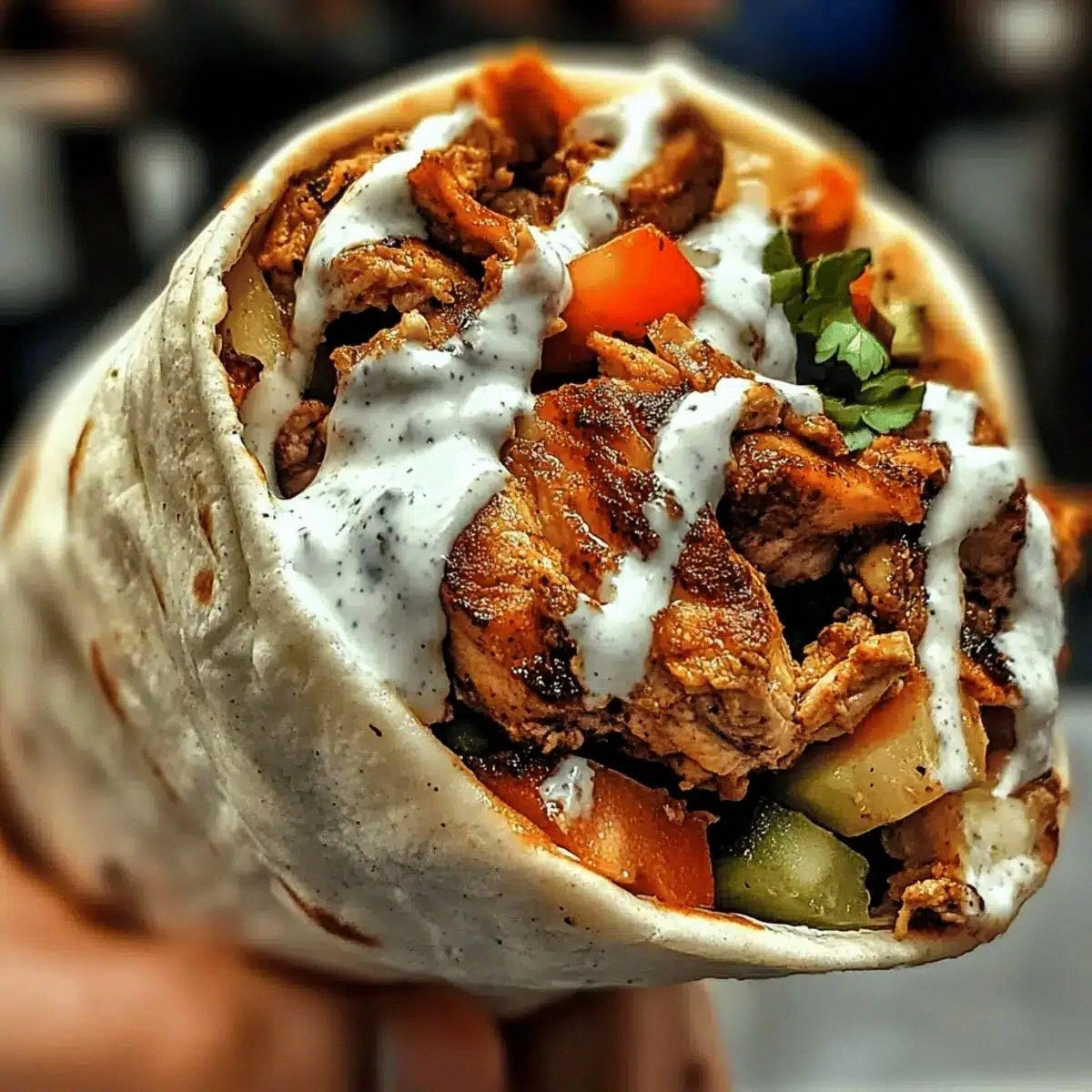
Fast forward to today, and I’ve refined that chaotic experiment into a polished masterpiece that will make your taste buds stand up and salute. This isn’t just another copy‑paste recipe you find on a random blog; this is the version that turned my kitchen into a Middle‑Eastern street corner, complete with the smoky char of perfectly seared thighs and a garlic sauce that clings to each bite like a silky veil. The secret? A marriage of bold spices, a touch of acidity, and a creamy garlic‑tahini sauce that makes every morsel sing. I dare you to taste this and not go back for seconds—because once you’ve tried it, you’ll understand why I call it the best version you’ll ever make at home.
Most shawarma recipes get the marination right but miss the magic of the finish. They either over‑cook the chicken until it’s dry, or they drown the sauce in a swamp of oil. Here’s what actually works: I’m using chicken thighs for their juicy fat content, a quick high‑heat sear for that caramelized crust, and a cooling, tangy garlic sauce that balances the heat without overwhelming the palate. You’ll also discover a technique I stole from a professional chef—briefly resting the meat after cooking to let the juices redistribute, which is pure game‑changing.
Okay, ready for the game‑changer? I’m about to walk you through every single step—from selecting the perfect thigh to plating the final masterpiece. By the end, you’ll wonder how you ever settled for bland, store‑bought shawarma. Let’s dive in and make something unforgettable.
What Makes This Version Stand Out
- Flavor Explosion: The blend of cumin, coriander, paprika, and a hint of cinnamon creates a layered spice profile that’s both familiar and adventurous, delivering a taste that lingers long after the last bite.
- Juicy Texture: Using chicken thighs ensures each piece stays moist, while the quick sear locks in juices, giving you that perfect contrast of crispy edges and tender interior.
- Simplicity: The marination takes only 15 minutes, and the sauce comes together while the chicken rests—no overnight soaking, no complicated equipment.
- Unique Sauce: The creamy garlic sauce combines Greek yogurt, tahini, and minced garlic for a velvety finish that’s richer than a plain tzatziki but lighter than a mayo‑based dip.
- Crowd Reaction: Serve it at a dinner party and watch the room light up; it’s the kind of dish that sparks conversation and repeat requests.
- Ingredient Quality: Fresh garlic, high‑quality olive oil, and authentic spices make a world of difference—no shortcuts, just pure flavor.
- Cooking Method: A stovetop sear followed by a brief oven finish guarantees consistent results whether you have a grill or a flat pan.
- Make‑Ahead Potential: The sauce keeps well for up to three days, and the chicken can be reheated without losing its succulent character.
Inside the Ingredient List
The Flavor Base
Four pieces of chicken thighs are the heart of this dish. Their higher fat content compared to breasts means they stay juicy even after a high‑heat sear. If you’re forced to use breasts, slice them thinly and brine them for 30 minutes to mimic the tenderness. Fresh garlic—four cloves for the chicken and two minced for the sauce—delivers that pungent bite that defines shawarma; skipping it would be a culinary tragedy. The lemon juice (2 Tbsp for the chicken, another 2 Tbsp for the sauce) adds a bright acidity that cuts through the richness, balancing the spice and preventing the meat from feeling heavy.
The Spice Crew
Cumin and coriander, each at two teaspoons, form the backbone of the flavor. Cumin brings earthiness, while coriander adds a citrusy lift. Paprika, also at two teaspoons, introduces a subtle sweetness and a gorgeous color. Turmeric, cinnamon, and cayenne pepper—each a single teaspoon—add depth, warmth, and a controlled kick. If you’re sensitive to heat, halve the cayenne; if you love fire, double it and watch your guests reach for water.
The Unexpected Star
Olive oil, three tablespoons, is more than a cooking medium; it carries the spices into the meat and creates a glossy finish. The Greek yogurt in the sauce, a full cup, provides creaminess without overwhelming the palate, while the tahini (two tablespoons) contributes a nutty undertone that ties the sauce together. Salt and pepper “to taste” might seem vague, but they’re your secret weapon—season in layers, tasting as you go, to avoid a bland final product.
The Final Flourish
The final dash of salt and pepper on the sauce is crucial. Even a pinch too much can drown the delicate balance, while too little leaves the sauce flat. A quick tip: use flaky sea salt for a subtle crunch that enhances texture. When selecting Greek yogurt, opt for the full‑fat version; low‑fat yogurts tend to curdle when mixed with lemon and tahini, ruining the silky mouthfeel.
Everything's prepped? Good. Let’s get into the real action…
The Method — Step by Step
First, combine the chicken thighs with the four cloves of minced garlic, two teaspoons each of cumin, coriander, and paprika, plus one teaspoon each of turmeric, cinnamon, and cayenne pepper. Drizzle the three tablespoons of olive oil and two tablespoons of lemon juice over the mixture, then season generously with salt and pepper. Toss everything in a large zip‑top bag, seal it, and massage the spices into the meat for about a minute. This step ensures every surface is coated, and the flavors start to meld. Watch the color change—the meat should take on a warm, reddish hue that signals the spices are waking up.
Let the chicken rest at room temperature for 15 minutes while you prep the sauce. This short marination window is enough for the flavors to penetrate without the meat becoming mushy.
Kitchen Hack: If you’re short on time, use a fork to poke the chicken pieces; this creates tiny channels for the marinade to seep deeper.While the chicken marinates, whisk together one cup of Greek yogurt, two tablespoons of tahini, two minced garlic cloves, and another two tablespoons of lemon juice in a bowl. Season with a pinch of salt, then taste. The sauce should be tangy, creamy, and have a subtle garlic bite—if it feels too thick, add a splash of water; if it’s too sharp, blend in a tad more yogurt. Set the sauce aside; it will develop even more flavor as it sits.
Heat a large cast‑iron skillet over medium‑high heat until it’s shimmering. Add a drizzle of olive oil, then lay the chicken thighs in a single layer, skin side down if they have skin. You’ll hear a satisfying sizzle that tells you the pan is hot enough. Let the thighs sear undisturbed for 4‑5 minutes; this creates a caramelized crust that’s the hallmark of great shawarma.
Flip the chicken and sear the other side for another 4‑5 minutes. At this point, the interior should be opaque but still a little pink in the middle—don’t overcook! If you have a meat thermometer, aim for an internal temperature of 165 °F (74 °C).
Watch Out: Overcrowding the pan drops the temperature, leading to soggy chicken instead of that coveted char.Once seared, transfer the skillet to a pre‑heated oven set to 375 °F (190 °C) for a quick 8‑minute finish. This step ensures the thighs are cooked through while preserving the juicy interior. While the chicken rests in the oven, the sauce continues to mellow, developing a richer texture.
Remove the chicken from the oven and let it rest on a cutting board for at least five minutes. This resting period is pure magic; it lets the juices redistribute, preventing a dry bite. While it rests, give the sauce one final stir, and if desired, drizzle a tiny bit more lemon juice for extra brightness.
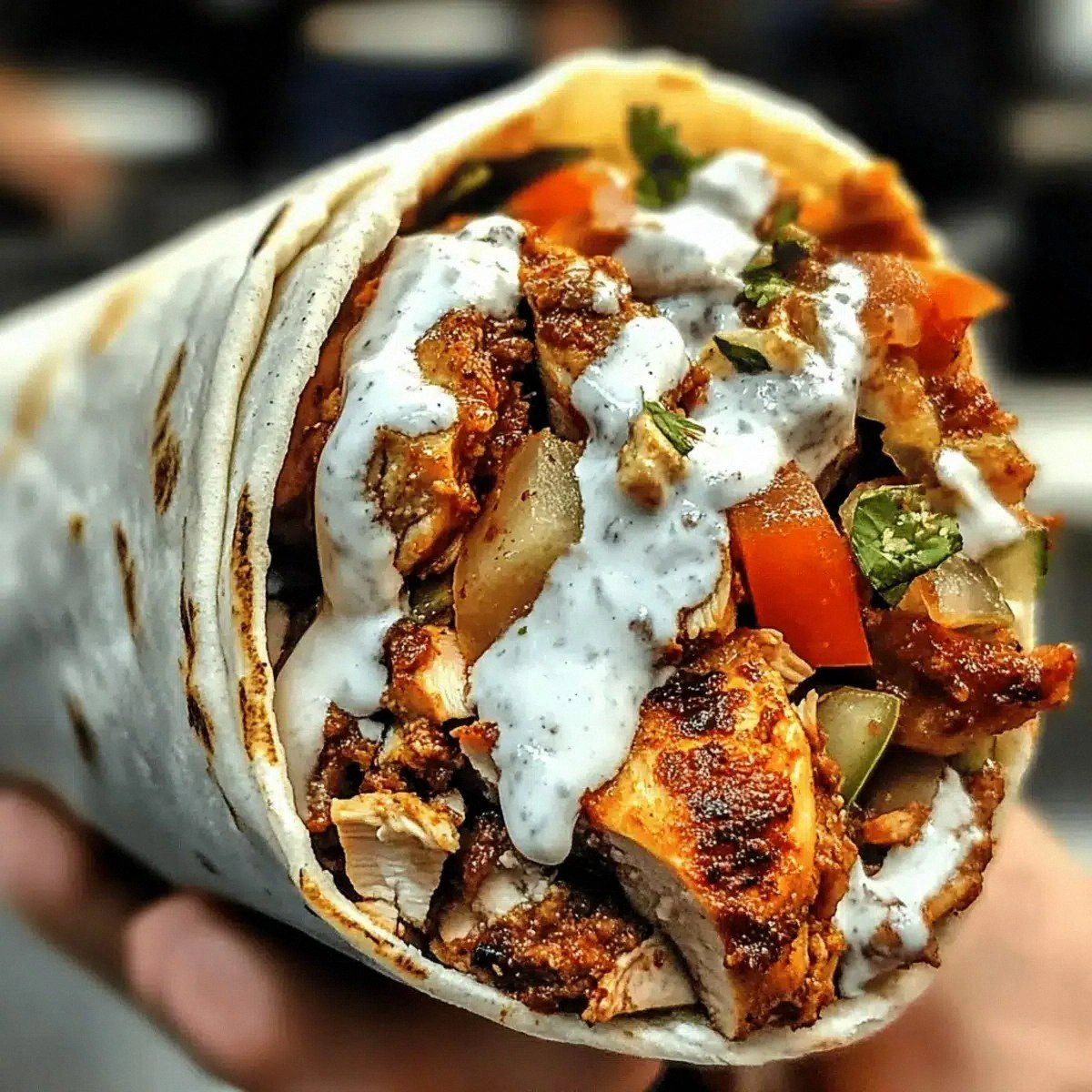
Slice the chicken into thin, bite‑size strips—think the size of a matchstick. Toss the strips gently with a spoonful of the creamy garlic sauce, ensuring each piece is lightly coated. Serve the shawarma on warm flatbreads, over a bed of crisp lettuce, or alongside a fresh cucumber‑tomato salad. Finish with a sprinkle of fresh parsley or a dash of sumac for an extra pop of color.
And now the fun part: assemble your plate. Spoon a generous dollop of sauce on the side for dipping, drizzle a little extra olive oil over the top, and watch your guests' eyes widen. That sizzle when the chicken hits the pan? Absolute perfection. This next part? Pure magic.
Insider Tricks for Flawless Results
The Temperature Rule Nobody Follows
Never start with a cold pan. Preheat your skillet until a few drops of water dance and evaporate instantly. This ensures the spices don’t burn and the chicken forms a crust instantly. I once tried a “cold start” and ended up with a greasy mess—lesson learned.
Why Your Nose Knows Best
Trust the aroma. When the chicken releases a nutty, toasted scent, you’re at the perfect sear point. If the smell turns bitter, the heat is too high and the spices are scorching. Adjust the flame and keep that nose vigilant.
The 5‑Minute Rest That Changes Everything
After cooking, let the meat rest. Those five minutes allow the juices to settle, turning a good shawarma into a great one. Skipping this step is like pouring milk before the coffee—everything gets diluted.
Layering the Sauce for Depth
Mix the sauce in stages: yogurt first, then tahini, then garlic, and finally lemon. This layering prevents the sauce from separating and gives each component room to shine. A friend tried blending everything at once and ended up with a curdled mess—don’t be that friend.
Spice Toasting Secret
Before adding the spices to the chicken, toast them dry in the skillet for 30 seconds. This awakens their essential oils, delivering a deeper flavor. Just watch them closely; they can go from fragrant to burnt in a heartbeat.
Creative Twists and Variations
This recipe is a playground. Here are some of my favorite ways to switch things up:
Spicy Harissa Kick
Swap the cayenne pepper for a tablespoon of harissa paste in the marinade. The smoky, fermented heat adds a North‑African twist that pairs beautifully with the creamy sauce.
Herb‑Infused Yogurt
Stir in a handful of chopped mint and cilantro into the garlic sauce. The fresh herb notes brighten the dish, making it perfect for summer picnics.
Veggie‑Loaded Shawarma
Add sliced bell peppers, red onions, and zucchini to the skillet during the last two minutes of searing. The veggies caramelize alongside the chicken, offering texture and a burst of color.
Low‑Carb Lettuce Wraps
Skip the flatbread and use large butter lettuce leaves as wraps. This reduces carbs and adds a crisp bite that contrasts the tender chicken.
Smoky Paprika Variation
Replace regular paprika with smoked paprika for a deeper, wood‑fire flavor. Pair with a drizzle of pomegranate molasses for a sweet‑sour finish that will wow any palate.
Storing and Bringing It Back to Life
Fridge Storage
Place leftover chicken and sauce in separate airtight containers. The chicken stays fresh for up to three days, while the sauce can last five days. Keep them chilled at 40 °F (4 °C) to preserve flavor.
Freezer Friendly
Wrap the cooked chicken tightly in foil, then place in a freezer‑safe bag. It freezes well for up to two months. The sauce freezes in an ice‑cube tray, then transfer the cubes to a bag for easy portioning.
Best Reheating Method
When reheating, add a tiny splash of water to the pan and cover it for a minute; the steam revives the chicken’s juiciness. For the sauce, gently warm it over low heat, stirring constantly to prevent separation.