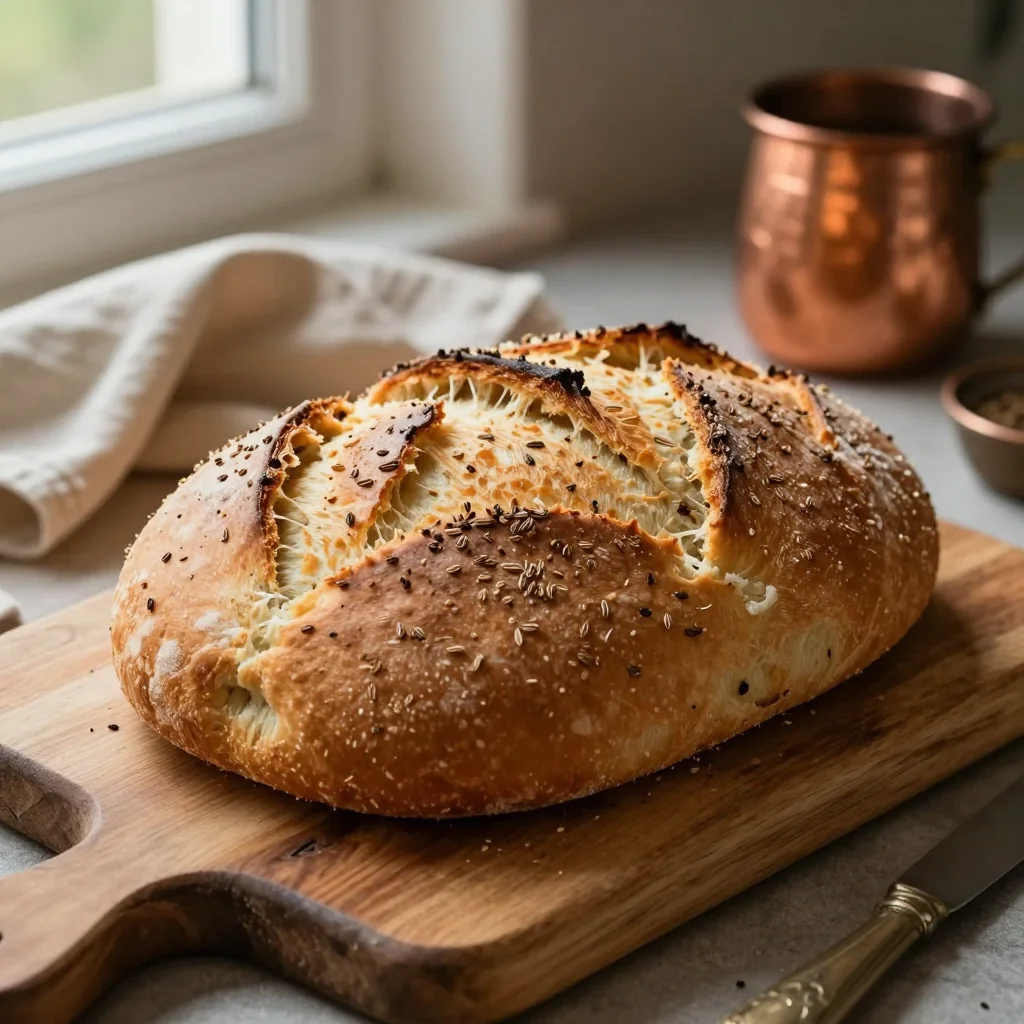
A rustic, quick‑baked loaf that captures the heart of Irish kitchens with a fragrant hint of caraway.
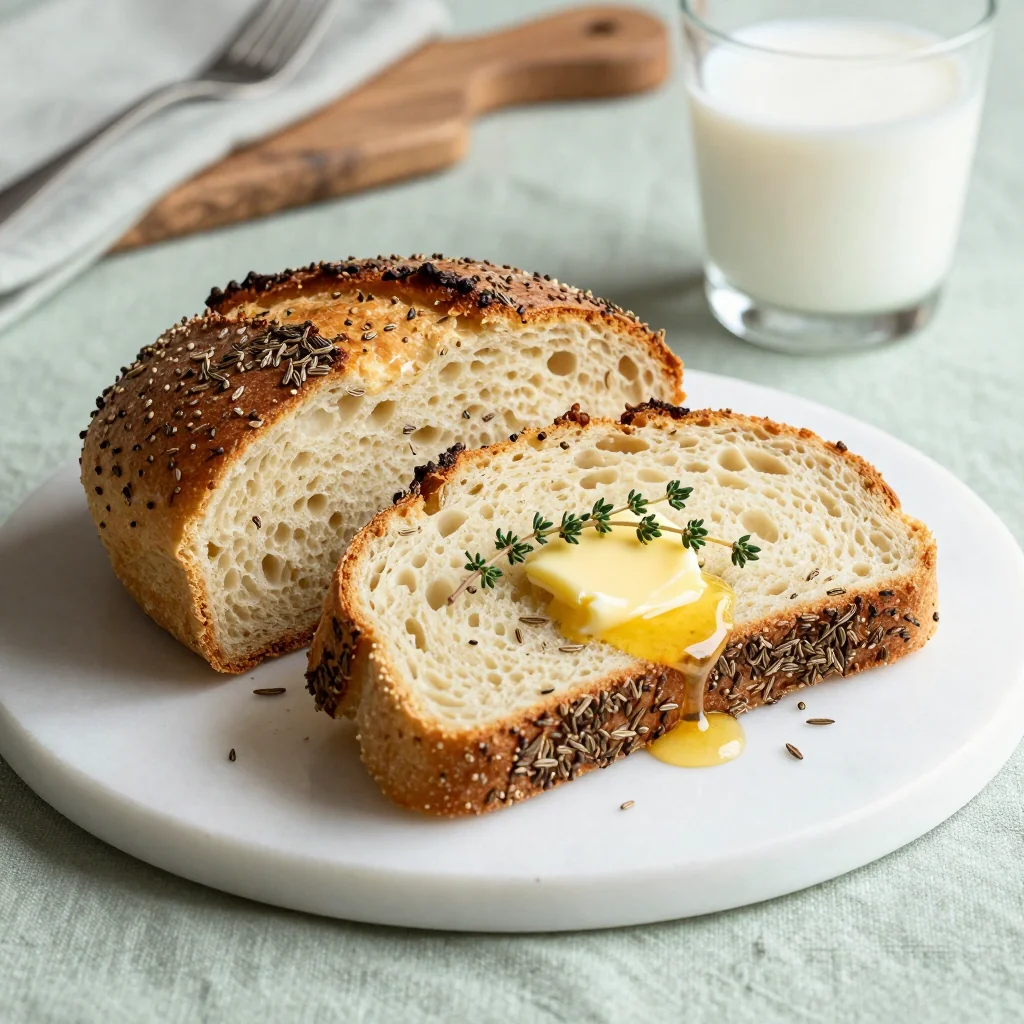
When I was ten, my grandmother would pull a steaming loaf from the old coal oven every Sunday, the scent of fresh bread mingling with the earthy perfume of caraway. I can still hear the crackle of the crust as it cooled on the kitchen bench, and the way the warm slice would melt butter like sunshine on a rainy day. That memory sparked my lifelong love for simple, heritage recipes that require little more than a few pantry staples and a good hand.
Irish soda bread dates back to the 19th century, when leavening agents like yeast were expensive and hard to keep fresh. The invention of baking soda as a reliable leavener transformed the humble loaf into a staple of the Irish diet, especially in rural households where time and resources were limited. The addition of caraway seeds, a tradition that began in the early 1800s, brings a subtle, aromatic bite that balances the bread’s mild sweetness.
In this article, you’ll discover why this recipe works every time, how to master the texture, and the science behind the quick rise. I’ll walk you through each step, share pro tips for a perfect crust, and explain how to adapt the loaf for different dietary needs without sacrificing flavor.
Grab your mixing bowl, preheat the oven, and let’s bring a piece of Irish heritage to your kitchen.
🌟 Why This Recipe Will Capture Your Heart
From the moment you slice into the golden crust, you’ll understand why this loaf has endured for centuries.
- ✨ Speed and Simplicity: No kneading, no proofing, just mix, shape, bake. Perfect for busy weeknights.
- ✨ Authentic Flavor: Caraway seeds give a distinctive, slightly sweet, peppery note that elevates the humble bread.
- ✨ Moist Interior: The buttermilk reacts with the soda, creating tiny air pockets that keep the crumb tender.
- ✨ Versatile Pairing: Ideal with butter, jam, cheese, or as a base for hearty soups.
- ✨ Budget Friendly: Uses pantry staples you probably already have—flour, baking soda, salt, and buttermilk.
- ✨ Heritage Connection: Baking this loaf connects you to a centuries‑old tradition of Irish home cooking.
🥗 Ingredients
📝 Complete Ingredient List
For the Dough:
Optional Topping:
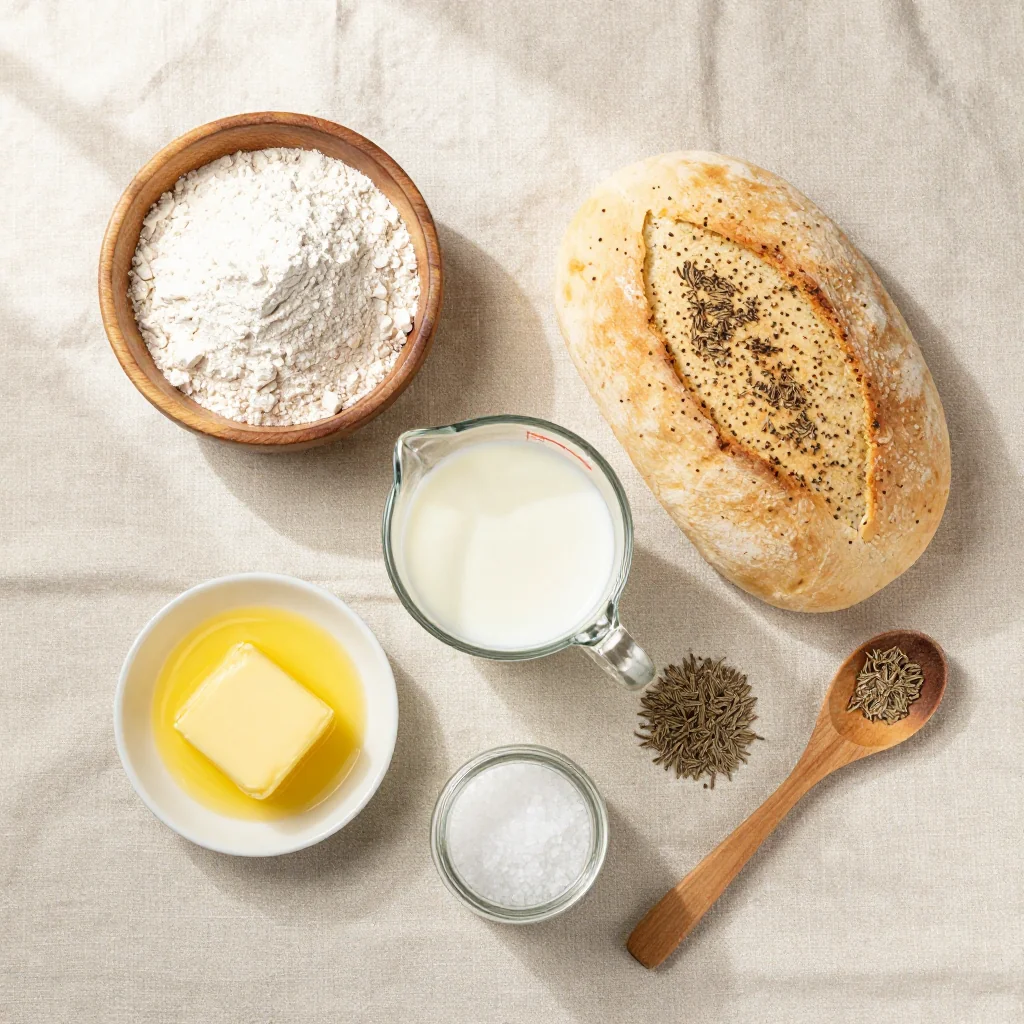
🔍 Focus on Key Ingredients
All‑Purpose Flour
Flour provides the structure. Using a high‑protein variety (around 11‑12% protein) creates a stronger gluten network, which traps the carbon dioxide released by the baking soda, giving the loaf its characteristic rise and tender crumb.
Baking Soda
Baking soda is an alkaline leavener that reacts instantly with the acidic buttermilk. This reaction creates carbon dioxide bubbles that lift the dough quickly, eliminating the need for a long fermentation period.
Caraway Seeds
Caraway seeds contribute a warm, slightly sweet, and peppery aroma that pairs beautifully with the mild flavor of the bread. Toasting them briefly before adding intensifies their flavor and releases essential oils.
🔄 Quick Substitutions
| If you don’t have... | Use instead... |
|---|---|
| Buttermilk | 1 cup milk + 1 tbsp lemon juice (let sit 5 min) |
| All‑purpose flour | Whole‑wheat flour (use 400 g + 50 g vital wheat gluten) |
| Caraway seeds | 1 tsp toasted cumin seeds |
👨🍳 Step‑by‑Step Instructions
Follow these detailed steps to achieve a perfectly risen, golden‑crusted soda bread that’s crisp on the outside and soft inside.
📋 Phase 1: Preparation and Mise en Place
Gather and measure all ingredients before you begin.
Preheat the Oven
Set your oven to 200 °C (390 °F) and place a heavy baking sheet or a cast‑iron skillet on the middle rack. This preheated surface will give the loaf an immediate burst of heat, helping the crust form quickly.
Toast Caraway Seeds
Place the 2 tsp caraway seeds in a dry skillet over medium heat. Stir continuously for about 30 seconds until they become fragrant but not browned. Transfer to a small bowl and set aside.
🔥 Phase 2: Mixing and Baking
Combine dry and wet ingredients, shape, and bake.
Mix Dry Ingredients
In a large mixing bowl, whisk together the flour, baking soda, and salt. Create a well in the center for the wet ingredients. The whisk ensures even distribution of the leavener, preventing pockets of soda that could cause bitter spots.
Combine Wet Ingredients
In a separate jug, combine the buttermilk and melted butter. Add the toasted caraway seeds. Stir gently to incorporate the seeds without breaking them up too much.
Form the Dough
Make a well in the dry mixture and pour in the wet mixture. Using a wooden spoon, stir just until the flour is moistened and a shaggy dough forms—about 30 seconds. The dough should be slightly sticky but manageable.
Shape the Loaf
Turn the dough onto a lightly floured surface. With floured hands, gently shape it into a round loaf about 4 inches tall. Avoid over‑working; the goal is to create surface tension without developing too much gluten.
Place the loaf onto a parchment‑lined baking sheet. Using a sharp knife, cut a deep “X” about 1 inch deep across the top. This allows the heat to penetrate and the loaf to expand evenly.
Brush the surface with a little extra melted butter and sprinkle the optional coarse sea salt and extra caraway seeds for a decorative finish.
Bake the Bread
Slide the sheet onto the preheated oven rack. Bake for 35 minutes, or until the crust is a deep golden amber and the loaf sounds hollow when tapped on the bottom.
For an extra crisp crust, remove the foil (if used) during the last 10 minutes and turn the oven to broil for 1‑2 minutes—watch closely to avoid burning.
✨ Phase 3: Finishing and Serving
Cool, slice, and enjoy.
Check for Doneness
Insert a thin skewer or metal toothpick into the center; it should come out clean. The internal temperature should read around 96 °C (205 °F) if you have a kitchen thermometer.
Cool Properly
Transfer the loaf to a wire rack and let it cool for at least 20 minutes. This resting period lets the crumb set, making slicing easier and preserving moisture.
Serve
Slice the bread with a serrated knife. Serve warm with butter, jam, or alongside a hearty Irish stew. The bread also pairs beautifully with sharp cheddar or a drizzle of honey.
💡 Expert Tips and Tricks
🛒 Choosing the Best Ingredients
When selecting flour, look for a label that specifies protein content; 11‑12% is ideal. For buttermilk, choose cultured varieties with a tangy flavor rather than the low‑fat “milk‑plus‑acid” alternatives. Fresh caraway seeds retain their essential oils—store them in an airtight jar away from light. If you can, source butter from grass‑fed cows; the higher butterfat contributes to a richer crumb.
🔪 Preparation Techniques
Handle the dough as little as possible. Over‑mixing activates gluten, which can make the bread tough. Use a bench scraper to lift the dough onto the work surface, and pat it gently into shape. Scoring the top with a sharp blade not only looks traditional but also directs the expansion, preventing random cracks.
🌡️ Mastering the Bake
Preheat both the oven and the baking sheet for at least 15 minutes before the loaf goes in. This ensures an instant burst of steam, which is crucial for a crust that’s both crisp and glossy. If your oven runs hot, lower the temperature by 10 °C after the first 15 minutes to avoid over‑browning.
🍽️ Presentation and Service
Arrange slices on a wooden board, drizzle a little extra melted butter, and sprinkle a pinch of sea salt. For a festive touch, serve with a small dish of Irish cheddar and a spoonful of chutney. The loaf also looks stunning when halved and toasted, revealing its airy interior.
🏆 Pro‑Chef Secrets
Elevate your soda bread from good to extraordinary with these professional insights.
- 🎯 Temperature Shock Technique: After the first 20 minutes of baking, briefly open the oven door and pour a splash of cold water onto the oven floor. The sudden steam surge expands the crumb, creating an open, airy texture.
- 🎯 Butter Infusion: Melt the butter with a pinch of honey and a dash of smoked paprika before adding to the buttermilk. This adds a subtle depth of flavor that complements the caraway without overwhelming the loaf.
- 🎯 Flour Hydration Control: Adjust the flour amount based on humidity. In a dry climate, increase flour by 5‑10 g; in humid conditions, reduce by the same amount to keep the dough from becoming gummy.
- 🎯 Scoring Artistry: Use a razor‑sharp blade to make a decorative “X” that’s slightly deeper at the center. This creates a beautiful pattern and ensures the loaf expands uniformly.
- 🎯 Resting the Dough: Let the mixed dough rest uncovered for 5‑10 minutes before shaping. This allows the flour to fully hydrate, resulting in a softer crumb.
- 🎯 Dual‑Bake Method: After the initial bake, lower the oven to 180 °C (350 °F) and bake an additional 10 minutes with the loaf covered in foil. This yields a crust that’s both crisp on the outside and tender inside.
“Good bread is the foundation of a good meal; a well‑crafted soda loaf can turn a simple supper into a celebration.” — Declan O’Leary, Irish Culinary Historian
🔄 Variations and Adaptations
This classic loaf is a flexible canvas. Below are several ways to tailor it to different tastes, diets, and occasions.
🥬 Vegetarian / Vegan Version
Replace the butter with an equal amount of coconut oil or vegan butter. Use plant‑based cultured “buttermilk” made by adding 1 tbsp lemon juice to 400 ml soy or almond milk. The flavor remains rich, and the texture stays soft.
- Vegan butter (30 g) – melt and use as directed.
- Plant‑based cultured buttermilk – see substitution table.
🌶️ Flavor Variations
Experiment with additional herbs and spices to create new taste profiles while preserving the quick‑rise nature of soda bread.
Spicy Version:
Add ½ tsp crushed red pepper flakes to the dry mix and substitute half the caraway seeds with toasted fennel seeds for a warm, slightly sweet heat.
Mediterranean Version:
Fold in ¼ cup chopped sun‑dried tomatoes and 2 tbsp finely chopped fresh rosemary. Omit the caraway seeds and increase the salt by a pinch.
Asian‑Inspired Version:
Incorporate 1 tsp toasted sesame seeds into the dough and replace the caraway with 1 tsp toasted nigella (black cumin). Serve with a drizzle of soy‑ginger glaze.
⚠️ Dietary Adaptations
Gluten‑Free:
Swap the all‑purpose flour for a 1‑to‑1 gluten‑free flour blend that contains xanthan gum. Increase the baking soda to 1½ tsp to compensate for the lighter structure.
Lactose‑Free:
Use lactose‑free butter or coconut oil and a dairy‑free cultured buttermilk made from almond milk plus lemon juice.
Low‑Calorie:
Reduce butter to 15 g, replace half the flour with oat flour, and increase the buttermilk to 450 ml for extra moisture without added calories.
👶 Family / Kids Version
Kids love a sweeter loaf. Add 2 tbsp honey to the wet mixture and sprinkle a light dusting of cinnamon sugar on top before baking. The sweet aroma will entice even the pickiest eaters.
📦 Storage and Reheating
🧊 Conservation
In the Refrigerator:
- Duration: 4‑5 days
- Container: Airtight plastic bag or bread box
- Tip: Slice before storing; individual slices reheat faster.
In the Freezer:
- Duration: Up to 3 months
- Method: Wrap tightly in foil, then place in a freezer‑safe zip‑bag.
- Thawing: Transfer to fridge overnight, then reheat.
💡 For best texture, reheat from frozen using the oven method below rather than the microwave.
♨️ Reheating
🔥 Oven (Recommended):
- Preheat to 180 °C (350 °F).
- Wrap the slice loosely in foil to keep moisture.
- Heat for 8‑10 minutes.
- Remove foil for the last 2 minutes to crisp the crust.
⚡ Microwave (Quick):
- Place slice on a microwave‑safe plate.
- Cover with a damp paper towel.
- Heat on medium power for 30‑45 seconds.
- Check and repeat in 10‑second bursts if needed.
🍳 Skillet:
Heat a non‑stick skillet over medium heat, add a dab of butter, and toast each side for 2‑3 minutes until golden.
🍷 Perfect Pairings
🥗 Side Dishes
- Irish Stew: The hearty broth soaks into the crumb, making each bite comforting.
- Mixed Green Salad with Lemon Vinaigrette: The bright acidity cuts through the bread’s richness.
- Cheddar & Apple Platter: Sharp cheese and crisp apple contrast beautifully with the earthy caraway.
🍷 Wine & Beverage Pairings
- Irish Red Ale: Its maltiness mirrors the bread’s sweet notes.
- Dry Riesling: The acidity balances the buttery crumb.
- Non‑Alcoholic: Sparkling apple cider adds a festive fizz.
🍰 Complementary Courses
Start with a light pea soup, follow the soda bread with the main stew, and finish with a simple lemon tart. The progression from savory to sweet keeps the palate refreshed.
❓ Frequently Asked Questions
Q: Can I use whole‑wheat flour instead of all‑purpose?
A: Yes, but replace up to half of the all‑purpose flour with whole‑wheat to avoid a dense loaf. Adding an extra 1‑2 tbsp of baking soda helps maintain lift. Expect a nuttier flavor and a slightly darker crust.
Q: Why does my bread turn out flat?
A: Common causes include old baking soda (which loses potency), insufficient acidity in the buttermilk, or over‑mixing the dough. Ensure your baking soda is fresh, use cultured buttermilk, and mix only until just combined.
Q: How can I make the crust extra crunchy?
A: Place a shallow pan of hot water on the lower rack while baking to generate steam. Additionally, brush the top with melted butter halfway through baking and finish under the broiler for a final crisp.
Q: Is it okay to add raisins or dried fruit?
A: Absolutely! Add ½ cup of raisins or currants to the dry ingredients for a sweeter version. Reduce the salt by a pinch to balance the added sweetness.
Q: Can I freeze the dough before baking?
A: Yes. Shape the dough, wrap tightly in plastic, and freeze for up to 1 month. When ready, thaw in the refrigerator overnight, then bake as directed, adding 5‑10 minutes to the baking time.
Q: How far in advance can I prepare the loaf?
A: The dough can sit at room temperature for up to 2 hours before baking, but for best texture, bake immediately after mixing. If you need to delay, refrigerate the shaped dough (unbaked) for up to 12 hours; let it come to room temperature before baking.
🎉 Let’s Get Baking!
This Traditional Irish Soda Bread brings together simplicity, history, and flavor in a single loaf. With just a handful of ingredients and a quick rise, you’ll have a rustic bread that feels like a warm hug from an Irish cottage. Remember the key points: fresh buttermilk, proper measuring, and a hot oven. The result is a tender crumb, a fragrant caraway aroma, and a crust that sings with golden crunch.
Give it a try, share your photos, and let us know how you customized the recipe. Your feedback helps the community grow, and your stories inspire others to explore culinary traditions.
Did you try this recipe?
Leave a comment and rating below! Share your photos on Instagram with #SodaBreadMagic to be featured.
Traditional Irish Soda Bread with Caraway Seeds
A quick, fragrant loaf that brings Irish tradition to your table.
📝 Ingredients
Dough
Optional Topping
👨🍳 Instructions
- 1 Preheat oven to 200 °C (390 °F) and place a baking sheet inside.
- 2 Toast caraway seeds in a dry skillet for 30 seconds; set aside.
- 3 Whisk flour, baking soda, and salt together in a large bowl.
- 4 Mix buttermilk, melted butter, and toasted seeds in a jug.
- 5 Create a well, pour wet into dry, and stir until a shaggy dough forms.
- 6 Shape into a round loaf, score a deep “X”, brush with butter, and sprinkle toppings.
- 7 Bake for 35 minutes, checking for a hollow sound when tapped.
- 8 Cool on a wire rack for 20 minutes before slicing.
- 9 Serve warm with butter, cheese, or alongside stew.
- 10 Store leftovers as described in the storage section.
🥗 Nutrition (per serving)
*Values are estimates based on standard ingredients.





💬 Comments and Reviews
Leave a Comment
No comments yet. Be the first to share your thoughts!