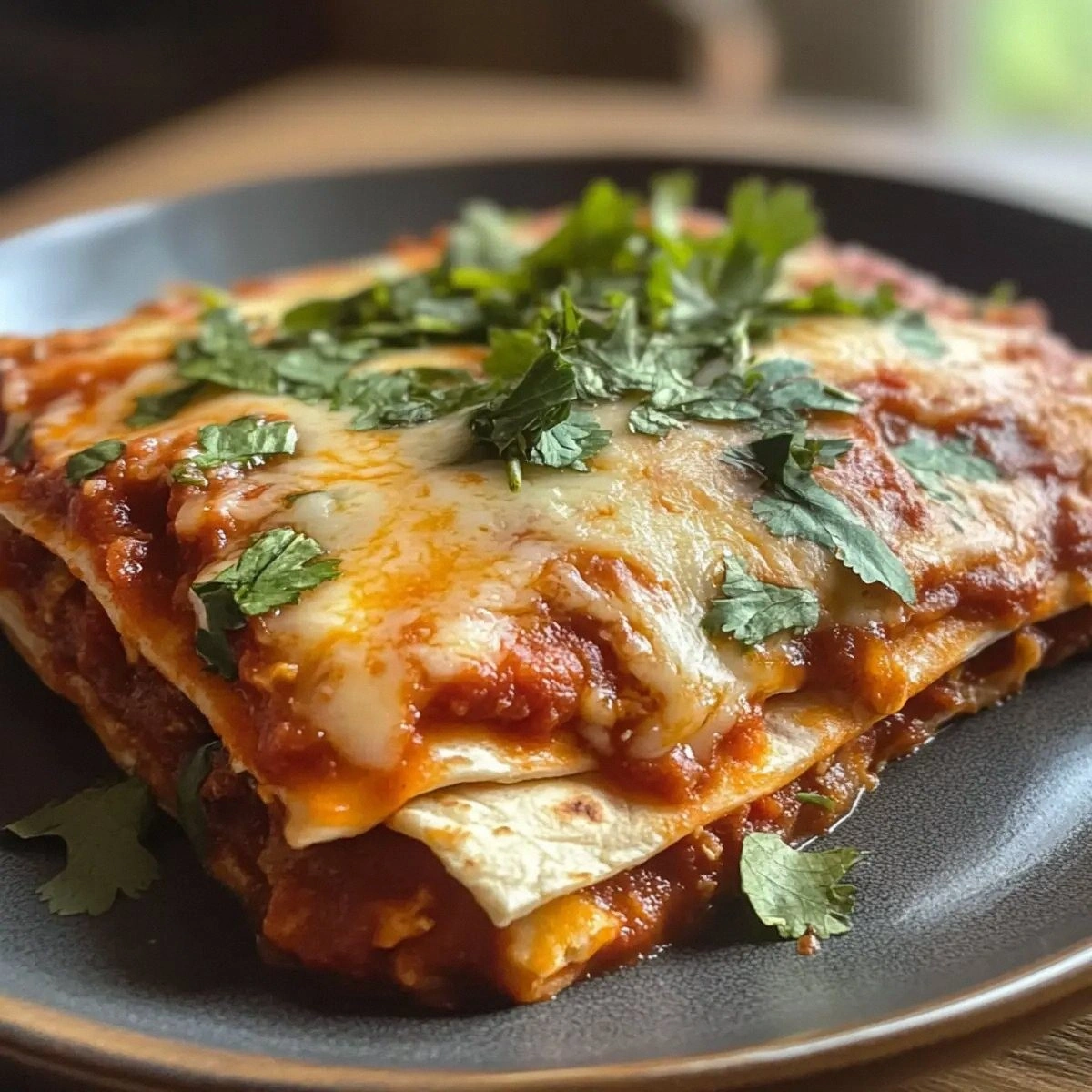
I was standing in my kitchen on a rainy Thursday night, the kind of night when the only thing that can save you from a Netflix binge is something that smells like a street‑food stall in Tokyo. I had a can of white tuna, a jar of mayo, and a sudden urge to prove to my roommate that I could turn pantry staples into a dish that would make even the most seasoned sushi chef nod in approval. The first attempt was a disaster: a soggy, flavor‑less patty that fell apart the moment I tried to flip it. I swear I heard the pan sigh. That failure sparked a dare – “I dare you to taste this and not go back for seconds” – and I set out to create the ultimate Asian tuna cake that would never let you down.
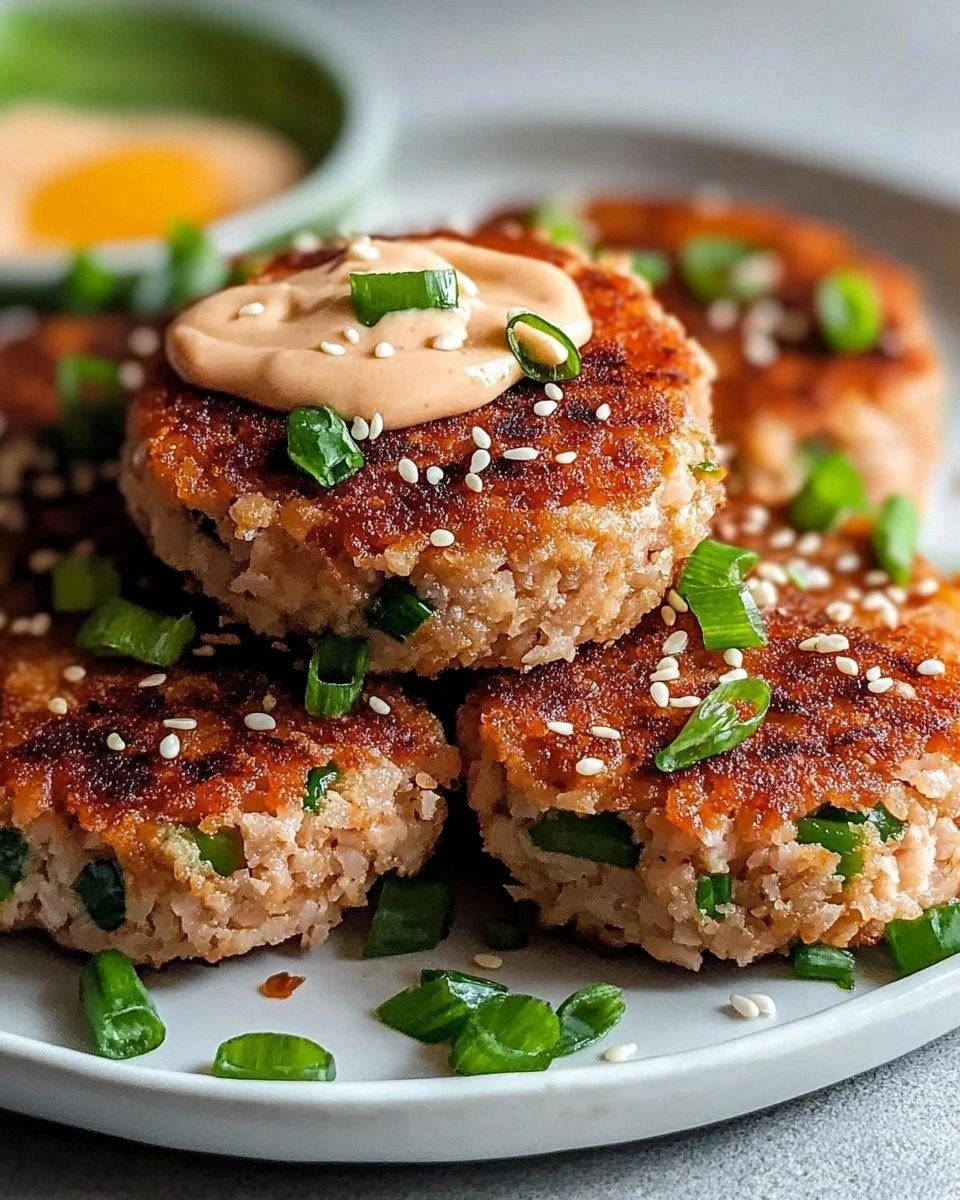
Picture this: the kitchen fills with the sizzle of oil, a faint nutty aroma of sesame mingling with the briny kiss of tuna, and a whisper of garlic that makes your nostrils do a little dance. The first bite delivers a crunch that shatters like thin ice, followed by a buttery interior that’s as moist as a perfectly poached egg. The spicy mayo drapes the cake like a silk scarf, delivering a gentle heat that tingles the palate without overwhelming it. It’s a symphony of textures and flavors that makes you feel like you’ve just unlocked a secret level in the world of appetizers.
What sets this version apart from the endless sea of tuna patty recipes? Most recipes either drown the tuna in a bland binder or fry the cakes until they’re as dry as a desert. I’ve cracked the code by balancing the umami of soy sauce, the subtle sweetness of mayo, and the crunch of gluten‑free crumbs, all while keeping the cakes light enough to melt in your mouth. The secret weapon? A splash of sesame oil that adds a nutty depth you didn’t even know tuna could have, and a dash of arrowroot powder that creates a tender crumb without the gluten guilt.
And there’s a technique you won’t find in any generic recipe blog: I’ll show you how to create a “double‑coat” that locks in moisture and gives you that restaurant‑style crisp without the need for a deep‑fat fryer. Trust me, this is hands down the best version you’ll ever make at home. Let me walk you through every single step — by the end, you’ll wonder how you ever made it any other way.
What Makes This Version Stand Out
- Umami Explosion: The combination of flaked white tuna, soy sauce, and a whisper of garlic creates a depth of flavor that feels like a broth that’s been reduced for hours, yet it’s ready in minutes.
- Crispy Edge: Gluten‑free crumbs mixed with arrowroot powder give the exterior a golden crunch that shatters with a satisfying snap, unlike the soggy edges you get from ordinary flour.
- Silky Spicy Mayo: The mayo isn’t just a binder; it’s a velvety coating that carries a gentle heat, making each bite feel like a warm hug from a Korean street vendor.
- Simple Prep: All ingredients are pantry‑friendly, meaning you can whip up a batch on a weeknight without a trip to the specialty store.
- All‑Day Crowd‑Pleaser: Whether you serve them as a starter, a snack, or a light main, these cakes disappear faster than you can say “second helping.” I’ll be honest — I ate half the batch before anyone else got to try it.
- Make‑Ahead Magic: The cakes keep beautifully in the fridge and reheat like new, so you can prep them ahead of a party and still impress your guests.
- Diet‑Friendly Flexibility: By swapping regular flour for arrowroot and using gluten‑free crumbs, the recipe stays inclusive without compromising texture.
- Flavor Boosters: A drizzle of sesame oil and a splash of soy sauce add that unmistakable Asian flair that most “tuna cake” recipes completely miss.
Inside the Ingredient List
The Flavor Base
Flaked white tuna is the heart of this dish. Look for cans labeled “solid white” or “premium” – they have a firmer texture and a cleaner taste that doesn’t turn mushy when mixed. If you settle for a low‑quality can, the cake will feel watery and the flavor will be flat. A good swap for those who prefer a firmer bite is to use fresh sushi‑grade tuna, but that does raise the cost dramatically.
Soy sauce brings the salty umami that makes the tuna sing. I recommend a light Japanese soy sauce for a subtle sweetness; if you’re gluten‑free, tamari works just as well. Skipping soy sauce is a mistake – the cakes lose that savory backbone and end up tasting like plain fish.
The Texture Crew
Arrowroot powder (or regular flour) is the unsung hero that gives the cakes their tender crumb without a gluteny chew. Arrowroot is a starch that creates a light, airy structure, perfect for those who want a delicate bite. If you don’t have arrowroot, all‑purpose flour works, but the texture will be a tad denser.
Gluten‑free crumbs or panko crumbs provide that satisfying crunch. The larger the crumbs, the more pronounced the crunch. I love the contrast of a fine crumb interior with a coarse breadcrumb exterior – it’s like biting into a crispy shell that gives way to a soft center.
The Unexpected Star
Mayonnaise isn’t just a binder; it adds moisture and a subtle tang that balances the salty soy. If you’re watching calories, Greek yogurt can replace half of the mayo for a lighter version without sacrificing creaminess. A common mistake is to over‑mix mayo, which can cause the mixture to become too runny – a gentle fold is all you need.
Sesame oil and avocado oil together create a frying medium that’s both high‑heat tolerant and aromatic. Avocado oil handles the heat without smoking, while a splash of sesame oil adds that unmistakable nutty perfume. Skipping sesame oil would make the dish feel generic – the “Asian” part would be missing.
The Final Flourish
Green onions, separated into white and green parts, add a fresh crunch and a pop of color. The white part gives a mild onion bite, while the green tops provide a herbaceous lift that cuts through the richness. If you’re out of green onions, chives or thinly sliced shallots work in a pinch.
Garlic, minced finely, infuses the mixture with a pungent aroma that deepens the overall flavor. Don’t be shy – a little extra garlic can turn a good cake into a great one. If you’re sensitive to raw garlic’s bite, sauté it briefly in a teaspoon of oil before adding; it mellows the sharpness while keeping the aroma.
Everything's prepped? Good. Let's get into the real action...
The Method — Step by Step
-
Drain two cans of white tuna and flake them into a large mixing bowl. Use a fork to break up any large clumps; you want a texture that’s loose enough to bind but not mushy. This is the foundation, so take a moment to appreciate the pale pink flakes – they’re about to become the star of your plate.
Kitchen Hack: Pat the drained tuna with a paper towel to remove excess liquid; this prevents soggy cakes later. -
Add the chopped green onion whites, minced garlic, 2 tablespoons of soy sauce, and the mayo to the bowl. Stir gently until everything is just combined; over‑mixing will develop gluten in the flour and make the cakes tough. Feel the mixture – it should be slightly sticky but manageable.
-
Crack one large egg into the center of the mixture and fold it in. The egg acts as a binder, holding the cakes together during frying. If the mixture feels too dry, splash in a teaspoon of water; if it’s too wet, sprinkle a little extra arrowroot powder.
-
In a separate small bowl, whisk together 3 tablespoons of arrowroot powder (or flour) with a pinch of salt and pepper. This dry blend will give the cakes structure without making them dense. Sprinkle the dry mix over the tuna mixture and fold until just incorporated.
Watch Out: Adding too much arrowroot will create a gummy texture; stick to the recommended amount. -
Fold in ½ cup of gluten‑free crumbs or panko crumbs until the mixture holds together when pressed. The crumbs add the crunch factor that makes each bite unforgettable. Test a small portion – it should stay together without crumbling.
-
Heat a large non‑stick skillet over medium‑high heat. Add 2 tablespoons of avocado oil and 1 teaspoon of sesame oil. When the oil shimmers (you’ll see a faint ripple), it’s ready. That sizzle when it hits the pan? Absolute perfection.
-
Using a damp hand, shape the mixture into 8 equal patties, about ¾‑inch thick. Place them gently into the hot oil, giving each patty enough space to breathe. The edges should start to turn golden within 2‑3 minutes – that’s your cue that the crust is forming.
Kitchen Hack: Press a small well in the center of each patty with your thumb; this prevents puffing and ensures even cooking. -
Cook the cakes for 3‑4 minutes on the first side, then carefully flip with a thin spatula. The second side should develop the same golden hue, and the interior will be opaque and flaky. If the cakes start to stick, give them another 30 seconds – the crust will release on its own.
-
Transfer the cooked cakes to a paper‑towel‑lined plate to drain excess oil. While they’re still hot, drizzle the spicy mayo (mix 2 tbsp mayo with 1 tsp sriracha, a dash of lime juice, and a pinch of sugar). The mayo will melt slightly, creating a glossy coating that clings to every ridge.
That moment when the mayo meets the hot cake? Pure magic. Serve immediately, garnished with the green parts of the onion and a sprinkle of sesame seeds if you like.
That's it — you did it. But hold on, I've got a few more tricks that'll take this to another level. Keep reading, because the secret sauce (literally) is just the beginning of your new favorite kitchen routine.
Insider Tricks for Flawless Results
The Temperature Rule Nobody Follows
Never fry over high heat; the oil should be around 350°F (175°C). If the heat is too high, the exterior burns before the interior cooks, leaving a raw center. Use a thermometer or watch the oil’s surface – a gentle wobble indicates the perfect temp. I once tried a “max‑heat” approach and ended up with blackened bricks; lesson learned.
Why Your Nose Knows Best
Your sense of smell is a reliable indicator of doneness. When the cakes start to emit a nutty, toasted aroma, that’s the cue to flip. If you’re unsure, lift one cake with a spatula; the underside should be a uniform golden brown, not speckled or uneven.
The 5‑Minute Rest That Changes Everything
After frying, let the cakes rest for five minutes on a cooling rack rather than a plate. This allows excess oil to drip away and the interior to set, preventing a soggy bite. I’ve tried serving them straight off the pan and the texture was disappointingly mushy.
The Secret Spice Mix
Blend a pinch of smoked paprika, a dash of ginger powder, and a whisper of toasted sesame seeds into the mayo. This adds layers of complexity that make the sauce taste like it’s been simmered for hours. Most recipes stop at sriracha; we go further.
The Double‑Coat Technique
For an ultra‑crispy crust, lightly dust each patty with a second sprinkle of arrowroot before the final fry. The first coat creates structure; the second creates that crackling surface you crave. This is the game‑changer that separates a good cake from a legendary one.
Creative Twists and Variations
This recipe is a playground. Here are some of my favorite ways to switch things up:
Spicy Kimchi Kick
Stir in ¼ cup of finely chopped kimchi into the tuna mixture. The fermented tang adds a bold, punchy flavor that pairs beautifully with the mellow mayo. Perfect for fans of Korean street food.
Coconut Curry Fusion
Replace the soy sauce with 2 tbsp coconut aminos and add a teaspoon of curry powder to the dry mix. The result is a fragrant, slightly sweet cake that feels like a tropical getaway.
Herb‑Infused Green
Swap the green onion tops for a mixture of cilantro, mint, and Thai basil. This herb combo brightens the dish and adds a fresh, garden‑like aroma, ideal for summer gatherings.
Cheesy Crunch
Fold ¼ cup of shredded mozzarella or a vegan cheese alternative into the batter. The cheese melts inside, creating gooey pockets that surprise the palate.
Low‑Carb Almond Flour
Use almond flour instead of arrowroot and gluten‑free crumbs for a low‑carb version. The almond flavor adds a subtle nuttiness, and the texture remains delightfully crisp.
Storing and Bringing It Back to Life
Fridge Storage
Place cooled cakes in an airtight container lined with parchment paper. They’ll stay fresh for up to 3 days. When you’re ready to serve, reheat in a hot skillet with a splash of oil; the crust will revive instantly.
Freezer Friendly
Freeze the uncooked patties on a baking sheet, then transfer to a zip‑top bag. They freeze solid for up to 2 months. To cook, pop them straight from the freezer into a pre‑heated pan; add an extra minute per side.
Best Reheating Method
For the crispiest result, reheat in a hot oven at 375°F (190°C) for 8‑10 minutes, turning halfway. Add a tiny splash of water to the pan before covering with foil – the steam restores moisture while the oven revives the crunch.