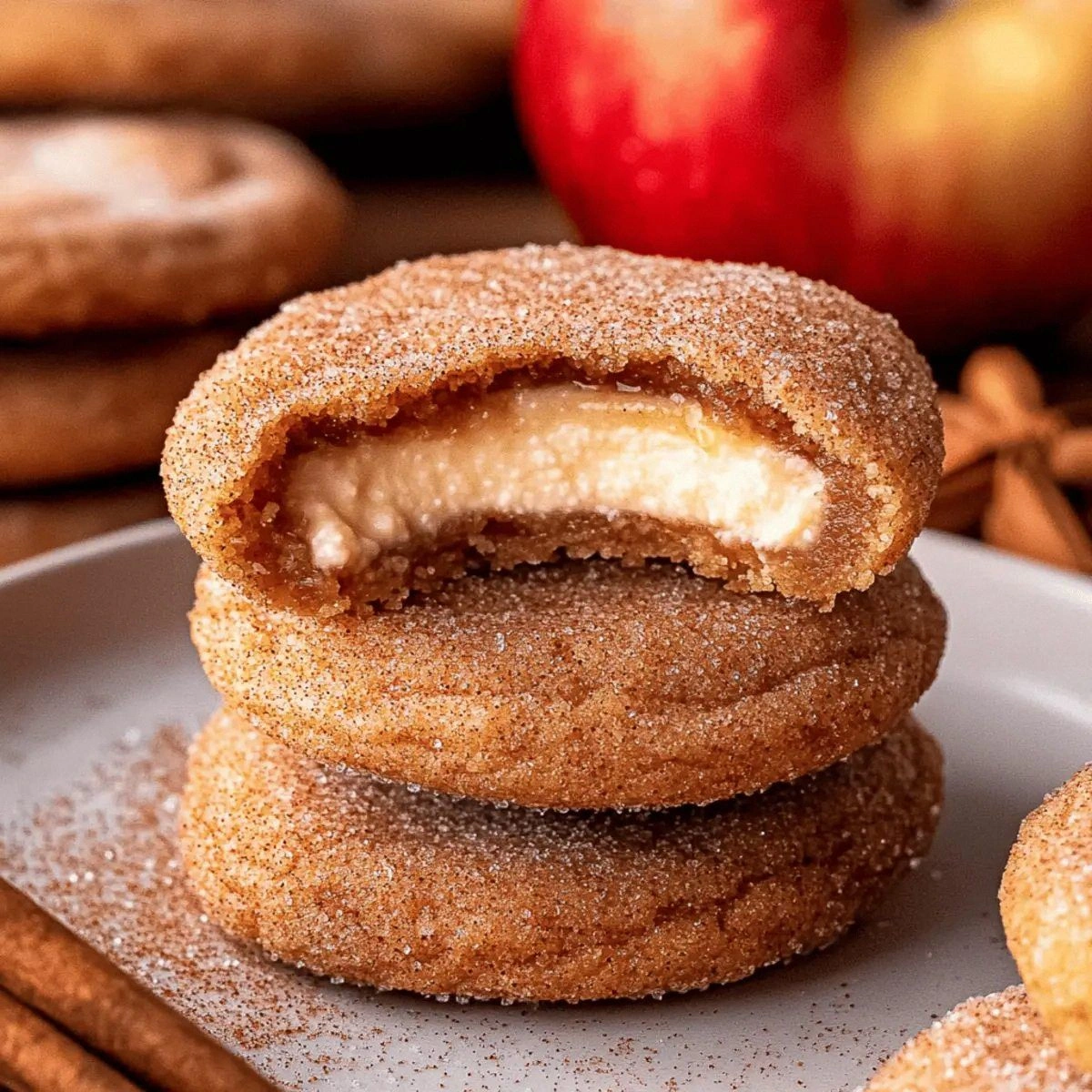
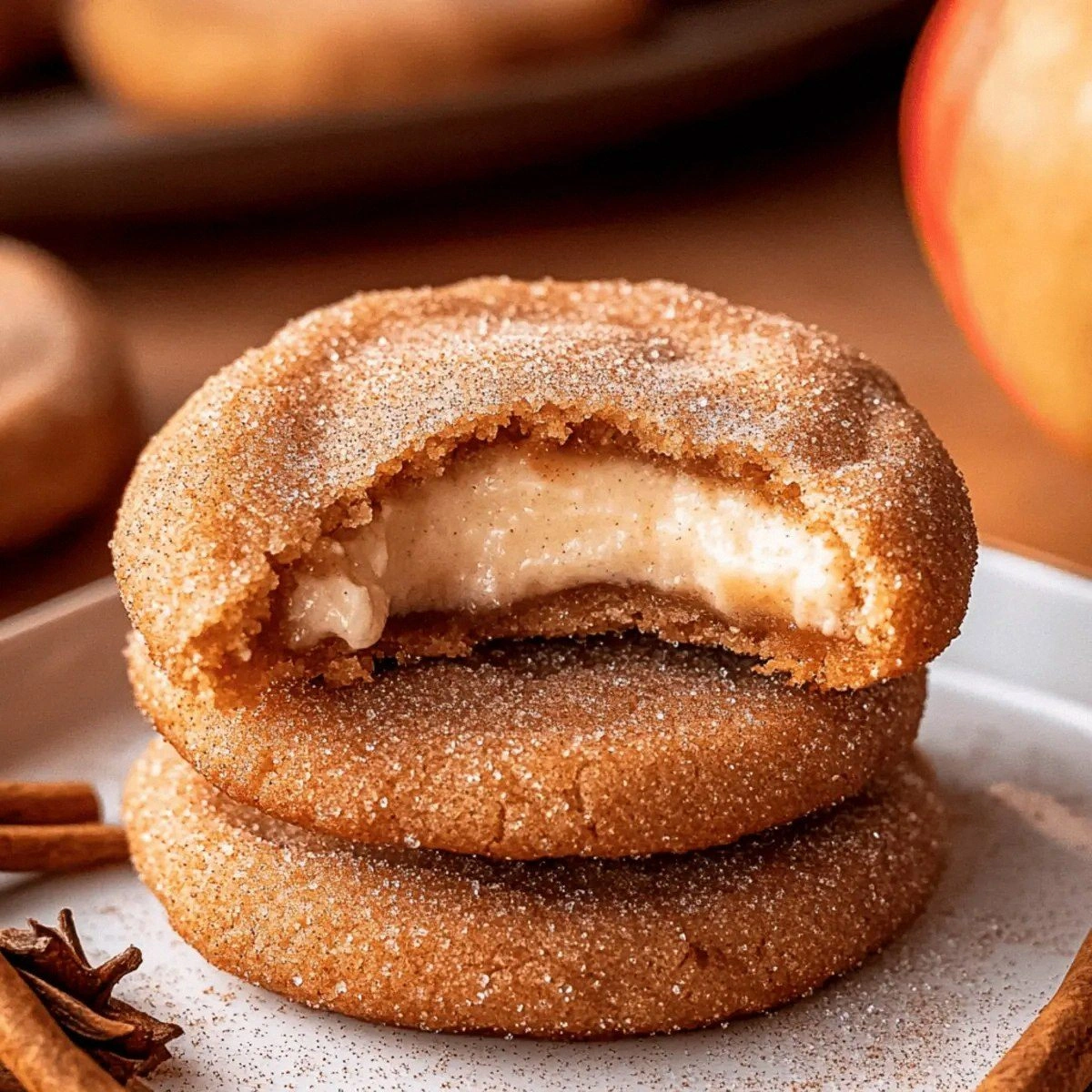
Last Tuesday I set out to make a respectable batch of apple cider cookies and accidentally created something so outrageously good that my neighbor—who claims she’s "not really a sweets person"—ate four before the parchment paper had even cooled. What started as a simple autumn craving turned into a three-day obsession involving reduced cider, cheesecake filling, and a spice-sugar crust that crackles like thin ice under your teeth. The first test batch emerged from the oven looking almost too pretty to eat, with bronzed edges and centers that puddled like tiny apple-scented lava cakes. I lifted one, still soft and pliant, and the bottom had that glossy, almost mirror-like sheen you normally only see on professional bakery cases. One bite and I knew I’d crossed into dangerous territory: the cookie equivalent of a down jacket on a windy October night—warm, plush, and impossible to take off.
Picture this: outside, the maple leaves are doing their final fling of the year, skittering across the porch like papery firecrackers. Inside, your kitchen smells like someone distilled fall itself—cinnamon, nutmeg, and buttery cider reducing into a syrupy concentrate so fragrant you’ll swear you hear sweaters being pulled out of storage. The cream cheese swirl melts just enough to marble the dough, leaving pale ribbons that bake into tangy pockets against the chewy crumb. And the edges—oh, the edges—caramelize against the sheet pan until they taste like the corner piece of apple crisp, the one everyone fights over. If you’ve ever wished someone would turn a slice of New York cheesecake, a mug of hot cider, and a snickerdoodle into a single handheld miracle, congratulations: your oddly specific dream just came true.
I tested these cookies six times in four days, partly because I’m stubborn and partly because each batch disappeared faster than I could take notes. Batch #2 never stood a chance; my teenager inhaled them while they were still too hot to legally touch. Batch #4 taught me that reducing the cider down to a sticky, almost molasses-thick syrup is non-negotiable—skip it and you’ll get bland, cakey pucks that taste like disappointment with a hint of apple. Batch #6, the keeper, balanced tangy cream cheese, warm spice, and that unmistakable autumn perfume of boiled-down cider. I wrapped a dozen in parchment, tied the bundle with twine, and dropped them at my parents’ house. My dad, a man who firmly believes dessert peaked with 1970s chocolate cake, texted me two hours later: “Need more. These should be illegal.”
Let me walk you through every single step—by the end, you’ll wonder how you ever made it any other way.
What Makes This Version Stand Out
- Cider Reduction Magic: Most recipes toss in a splash of cider and call it a day. We reduce two full cups into a mahogany syrup so concentrated it tastes like apple liqueur without the hangover. The flavor is bold, bright, and unmistakably autumn.
- Cheesecake Pocket Surprise: Instead of a dry crumb topping, we tuck little nuggets of vanilla-scented cream cheese into the dough. They melt into tangy geysers that keep the centers soft for days—if they last that long.
- Spiced Sugar Armor: Rolling the dough in a cinnamon-cardamom-sugar mix before baking creates a whisper-thin crust that shatters like crème brûlée under your teeth, sealing in chewiness.
- Texture That Defies Physics: Crispy edges, gooey centers, and that creamy cheesecake swirl all coexist in one modest two-bite cookie. It’s like a textural choose-your-own-adventure novel.
- One-Bowl Dough, Zero Headache: No stand mixer required. The dough comes together in ten minutes with a whisk and a silicone spatula, meaning you can start these at 8 p.m. when the craving hits and still be in bed by ten.
- Make-Ahead Champion: The dough keeps for three days in the fridge and freezes like a dream. Prep on Sunday, bake on demand all week, and feel like a domestic superhero.
Alright, let’s break down exactly what goes into this masterpiece...
Inside the Ingredient List
The Flavor Base
Apple cider is the star, but only after we bully it into submission. Start with two cups of the good stuff—cloudy, local, and unpasteurized if you can find it. Pour it into a skillet and let it bubble away until you’re left with a scant half cup of glossy, almost balsamic-like syrup. This concentrates the natural sugars and creates those haunting top-notes of orchard and honey that commercial apple flavoring can only dream of. Skip this step and you might as well use apple-flavored water.
Butter does double duty: it carries fat-soluble flavor compounds from the spices and creates those delicate lacy edges. I use European-style butter with 82% fat because the extra butterfat translates into richer flavor and a more tender chew. If you’re stuck with standard sticks, no worries—just don’t swap in margarine unless you enjoy cookies that taste like birthday candles.
The Texture Crew
Light brown sugar brings molasses notes that hug the apple like a cable-knit sweater, while granulated sugar provides clean sweetness and helps the edges crisp. The combo gives you that crackly top and chewy center all in one bite. Egg yolks (skip the whites) add fat and emulsifiers, yielding a cookie that stays soft even after it cools—no brittle hockey pucks here.
All-purpose flour forms the skeleton, but the leavening agents determine posture. Baking powder lifts; baking soda spreads. Too much of either and you’ll have fluffy pancakes or greasy Frisbees. I landed on a 2:1 ratio that puffs just enough to keep the cheesecake pockets suspended, then collapses slightly for that coveted crinkle top.
The Unexpected Star
Cream cheese might seem out of place, but cut into tiny cubes and folded into the dough, it bakes into molten little pockets that taste like the best part of a New York cheesecake—minus the water bath and cracked tops. Make sure it’s brick-style, not whipped, and keep it cold so it doesn’t melt into the dough prematurely.
The Final Flourish
Spiced sugar mix is more than a gimmick. Rolling the dough in a mixture of granulated sugar, cinnamon, cardamom, and a whisper of kosher salt creates a micro-crust that caramelizes in the oven, giving you that bakery-style shine and a gentle crunch that yields to a soft, fragrant center. Don’t rush the roll; coat every crevice so each bite has that sweet-spicy pop.
Everything's prepped? Good. Let's get into the real action...
The Method — Step by Step
- Start by pouring the cider into a 12-inch stainless skillet set over medium-high heat. Let it bubble enthusiastically—almost an angry simmer—until the liquid reduces to a scant half cup and looks like melted garnet. Swirl, don’t stir, every few minutes so the sugars don’t scorch. You’ll know it’s ready when the steam smells like boozy apple candy and a spatula dragged across the pan leaves a trail that holds for three seconds before oozing back together. Pour the syrup into a heat-proof jar and chill it quickly by nesting the jar in a bowl of ice water; we want it cool so it doesn’t melt the butter later.
- While the cider cools, brown the butter for deeper nutty notes. Place the half-cup of butter in a light-colored saucepan over medium heat. Swirl occasionally as it foams, crackles, and eventually sends up whispers of hazelnut. Once the milk solids turn chestnut brown and the smell makes you want to bottle it as cologne, pull it off the heat and pour into a mixing bowl to stop the cooking. Chill five minutes so it’s liquid but not hot enough to scramble egg yolks.
- Whisk both sugars into the brown butter until the mixture looks like wet sand at low tide—slick, glossy, and homogenous. Add the egg yolks one at a time, whisking until the batter ribbons off the tines and sits on top for a second before sinking. This step emulsifies fat and water, locking in moisture and ensuring that chewy—not cakey—texture we’re after. Scrape in the cooled cider reduction and vanilla; the batter will marble like a caramel apple galaxy.
- In a separate bowl, whisk flour, cinnamon, nutmeg, allspice, baking powder, baking soda, and salt. Aerating now means you’ll mix the dough less later, keeping the cookies tender. The spices should smell so fragrant you briefly consider abandoning the cookies and just huffing the bowl. Resist—barely.
- Fold the dry ingredients into the wet with a silicone spatula. Stop as soon as you see no more streaks of flour; over-mixing develops gluten and gives you cookies that could double as skeet targets. The dough will be soft, almost like thick brownie batter, and it should slump off the spatula in slow-motion peaks.
- Cube the cold cream cheese into 1 cm squares and toss them gently in a spoonful of sugar. This prevents the cubes from glomming together and sweetens the tangy centers. Fold three-quarters of the cubes into the dough, saving the rest to press on top for visual cues. Don’t worry if some peek through—we’re after little molten pockets, not a homogenous swirl.
- Preheat oven to 350°F (175°C) and line two sheet pans with parchment. Combine the spiced sugar mix in a shallow bowl. Using a 1.5-tablespoon cookie scoop, portion mounds directly into the sugar, rolling to coat completely—this is your crunchy armor. Arrange on the trays two inches apart; they relax and expand like confident couch potatoes.
- Bake one sheet at a time for 11–12 minutes, rotating halfway for even color. They’re ready when the edges are golden and the tops have puffed into glossy domes with a few freckles. Slide the parchment directly onto the counter and resist poking; they need five minutes to finish baking from residual heat and to let the cream cheese centers set into molten little secrets. Transfer to a rack and repeat with remaining dough.
That's it—you did it. But hold on, I've got a few more tricks that'll take this to another level...
Insider Tricks for Flawless Results
The Temperature Rule Nobody Follows
Brown butter must be warm-liquid, not hot, when you whisk in the sugars. Too hot and the sugar partially dissolves, creating a greasy dough that spreads into lacy pancakes. Too cool and the butter resists emulsifying, leaving sandy sugar crystals that never quite disappear. Aim for the temperature of a cozy bath: touchable but not uncomfortable.
Why Your Nose Knows Best
Trust your senses over the timer. When the spiced sugar hits the heat, it should smell like someone’s simmering potpourri on the stove—warm, floral, and sweet. If all you get is a faint whiff, your spices are stale. Swap them out; cookies are only as good as the weakest pantry soldier.
The 5-Minute Rest That Changes Everything
After rolling in spiced sugar, let the dough balls sit on the tray for five minutes before baking. The sugar begins to dissolve slightly, creating a micro-syrup that bakes into a glassy, crackly top. My daughter calls it “cookie brûlée” and now refuses them any other way.
Freezer Insurance Policy
Roll and sugar all the dough, then freeze the balls on a tray. Once solid, toss into a zip bag. You can bake straight from frozen—just add two extra minutes. Future you, stumbling in from a frosty evening, will thank present you profusely.
Creative Twists and Variations
This recipe is a playground. Here are some of my favorite ways to switch things up:
Maple Bourbon Cowboy
Swap the cider reduction for an equal amount of maple syrup boiled with two tablespoons of bourbon. The alcohol bakes off, leaving smoky vanilla notes that pair beautifully with toasted pecans folded into the dough.
Salted Caramel Apple
Before baking, press a soft caramel square into the center of each dough ball, then sprinkle with flaky sea salt. The caramel melts into a molten river that stays gooey even after the cookies cool—perfect for those Instagram pull-apart shots.
Gingerbread Mash-Up
Replace the allspice with ground ginger and a pinch of black pepper. Roll in ginger-cinnamon sugar for a cookie that tastes like apple cider and gingerbread had a beautiful, chewy baby.
Orange Zest Brightness
Micro-plane half an orange into the brown butter once it cools. The citrus oils lift the apple and make the whole kitchen smell like a winter farmers’ market. My sister swears this version cures seasonal depression; I say it at least helps.
Gluten-Free, Same Great Chew
Substitute a 1:1 gluten-free baking blend that contains xanthan gum. Chill the dough 30 minutes longer to hydrate the starches, and you’ll get identical chew with zero wheat. I’ve served them to unsuspecting wheat-snobs who never noticed.
Breakfast Sandwich Edition
Bake the cookies slightly larger, then sandwich a scoop of cinnamon ice cream and a strip of candied bacon between two cooled cookies. Wrap in wax paper, freeze 20 minutes, and you’ve got the world’s most outrageous breakfast ice-cream sandwich.
Storing and Bringing It Back to Life
Fridge Storage
Layer completely cooled cookies in an airtight tin with parchment between stacks. They’ll keep five days refrigerated, though centers will firm up. To revive, microwave five seconds with a tiny glass of water nearby; the steam softens them back to fresh-baked glory.
Freezer Friendly
Freeze baked cookies on a tray, then bag with as much air removed as possible. They’ll stay perfect for two months. Thaw on the counter 20 minutes or give them a 300°F oven nap for five minutes to refresh the edges.
Best Reheating Method
Skip the microwave if you want crisp edges. Lay cookies on a sheet, tent loosely with foil, and warm at 300°F for 6 minutes. The foil traps steam to soften centers while the direct heat re-crisp bottoms. The result tastes like you just pulled them from the oven—because, in a way, you did.