I was halfway through a week of burnt lasagna and soggy stir‑fries when my phone buzzed with a text from my friend: “You gotta try this ginger salmon I found—steamed, not fried.” I stared at the screen, the smell of overcooked noodles still clinging to my kitchen, and thought, “Why not?” The idea of a dish that could turn that culinary mess into a fragrant, silky delight was irresistible. The moment I opened the recipe, I could almost taste the citrus‑sweet tang of ginger and the subtle umami of soy, and I knew this would be a game‑changer.
Picture the kitchen: a small steam basket humming beside the stove, a pot of water simmering like a gentle lullaby, and the faint scent of fresh ginger drifting in. I could hear the sizzle of garlic as it hits the hot pan, the soft hiss of steam as the salmon breathes, and the quiet clink of chopsticks against the ceramic bowl. The texture of the fish—flaky yet tender—was almost a visual promise of perfection. The air was filled with the aroma of toasted sesame oil, bright rice vinegar, and a whisper of honey, creating a sensory tapestry that made my mouth water. The anticipation was almost a physical sensation, a warm glow that spread from my fingertips to my heart.
What makes this version of steamed ginger salmon stand out? First, it’s the method—steaming instead of pan‑frying—so the fish stays moist and the flavors stay pure. Second, it’s the harmony of sweet and savory; honey balances the sharpness of ginger and the saltiness of soy. Third, the subtle heat from a pinch of chili flakes adds a gentle kick without overwhelming the delicate fish. Fourth, the garnish of scallions and sesame seeds adds crunch and freshness that contrast beautifully with the silky salmon. Fifth, the recipe is a breeze to prepare, requiring only a few minutes of prep and a single pot or steamer. Finally, it’s a crowd‑pleaser—guests will rave about the melt‑in‑your‑mouth texture and the fragrant, balanced taste.
And here’s the twist that will make you say, “I dare you to taste this and not go back for seconds.” I’ve added a splash of rice vinegar at the very end, right before serving, to brighten the dish and give it a subtle acidity that lifts the ginger’s warmth. That final touch turns the dish from simple to sensational, like a well‑timed punchline that lands perfectly. So buckle up, because by the end of this post you’ll wonder how you ever cooked salmon any other way.
What Makes This Version Stand Out
- Method: Steaming preserves the natural moisture of the salmon, giving it a tender, almost melt‑in‑your‑mouth texture that no pan‑fry can match.
- Flavor Balance: Sweet honey, sharp ginger, and umami soy create a layered taste that satisfies every palate.
- Heat: A subtle pinch of chili flakes offers a gentle warmth, keeping the dish lively without overpowering the fish.
- Texture: Toasted sesame seeds add a satisfying crunch that contrasts with the silky salmon fillets.
- Garnish: Fresh scallions give a bright, peppery finish that elevates the overall flavor profile.
- Prep Simplicity: The recipe requires only one pot or steamer and a handful of ingredients—ideal for busy nights.
- Make‑Ahead Friendly: The salmon can be steamed, chilled, and reheated without losing its delicate texture.
- Audience Reaction: Even the most skeptical foodies will be wowed by the fragrant aroma and the harmonious blend of flavors.
Alright, let's break down exactly what goes into this masterpiece...
Inside the Ingredient List
The Flavor Base
Ginger: Fresh ginger is the star of this dish, providing a zesty, peppery kick that cuts through the richness of the salmon. When minced finely, it releases oils that coat the fish, ensuring every bite is infused with warmth. If you’re out of fresh ginger, a teaspoon of ginger paste works, but the aroma will be slightly muted. A good rule of thumb: use about 2 tablespoons per four fillets for a robust flavor.
Garlic: Garlic adds depth and a hint of sweetness that balances the sharpness of ginger. Minced garlic should be sautéed just until fragrant—overcooking will make it bitter. If you’re sensitive to raw garlic, blanch it briefly before adding to the sauce. A small amount of garlic, about two cloves, is enough to round out the flavor profile.
The Texture Crew
Sesame Oil: This oil gives the dish a nutty aroma that enhances the overall flavor without overpowering the fish. Use a light or toasted sesame oil for a richer scent. If you don’t have sesame oil, a dash of toasted sunflower oil can substitute, though the flavor will be slightly different. One tablespoon per batch is perfect for a subtle but noticeable effect.
Rice Vinegar: Rice vinegar adds a bright acidity that lifts the dish, cutting through the sweetness of honey and the saltiness of soy. It also helps keep the salmon tender by preventing the proteins from tightening up. A tablespoon per batch is sufficient; too much will make the dish overly tart. If you prefer a milder acidity, substitute with a splash of apple cider vinegar.
The Unexpected Star
Honey: Honey is the sweet counterbalance to the savory and spicy elements. It caramelizes slightly during steaming, creating a glossy glaze that coats the salmon. If you’re avoiding honey, a tablespoon of maple syrup or brown sugar works, though the flavor will shift. Use a high‑quality honey for the best aroma and taste.
Chili Flakes: A pinch of chili flakes adds a gentle heat that awakens the palate. They’re optional but recommended for those who like a subtle kick. If you prefer a milder dish, omit them entirely; the salmon will still be delicious. If you want a more pronounced heat, add a teaspoon instead.
The Final Flourish
Scallions: Thinly sliced scallions add a fresh, peppery finish that brightens the dish. They also provide a pleasant crunch that contrasts with the silky salmon. Use the green parts for a milder flavor and the white parts for a sharper bite. A handful per batch is ideal.
Sesame Seeds: Toasted sesame seeds add a nutty crunch and a subtle aroma that ties everything together. They’re also a visual pop of color that makes the dish more appetizing. Toast them lightly in a dry pan until golden brown; this releases their oils and enhances flavor. One teaspoon per batch is enough.
Water or Fish Stock: A cup of water or low‑sodium fish stock keeps the salmon moist during steaming and creates a light broth for serving. If you want more flavor, use fish stock; if you’re watching sodium, plain water works fine. The liquid should be just enough to create steam, not to submerge the fish. Adjust as needed based on your steamer size.
Everything's prepped? Good. Let's get into the real action...
The Method — Step by Step
- Begin by rinsing the salmon fillets under cold water and patting them dry with paper towels. This step removes any surface moisture that could hinder the steaming process. Lay the fillets on a plate, season lightly with salt and pepper, and set aside. The seasoning will be absorbed during the steaming, ensuring a subtle flavor.
- In a small bowl, whisk together the soy sauce, rice vinegar, honey, and a splash of water to create a silky sauce. The mixture should be well blended; if the honey clumps, give it a quick stir. This sauce will coat the salmon and create a glossy glaze. Keep the sauce warm on the stove at low heat.
- Heat a large skillet or wok over medium heat, add the sesame oil, and let it shimmer. Add the minced garlic and ginger, sautéing for 30 seconds until fragrant. Be careful not to burn them; a burnt aroma will ruin the dish. This step develops the aromatic base that will permeate the fish.
- Pour the sauce over the aromatics, letting it simmer for a minute to thicken slightly. The sauce should coat the back of a spoon. This creates a flavorful glaze that will seep into the fish. Keep the heat low to prevent the sauce from boiling.
- Place the salmon fillets in a steamer basket or a heat‑proof dish, skin side down. Pour the remaining sauce over the fillets, making sure each piece is covered. The sauce will steam with the fish, infusing every bite. The fillets should sit snugly, not overlapping.
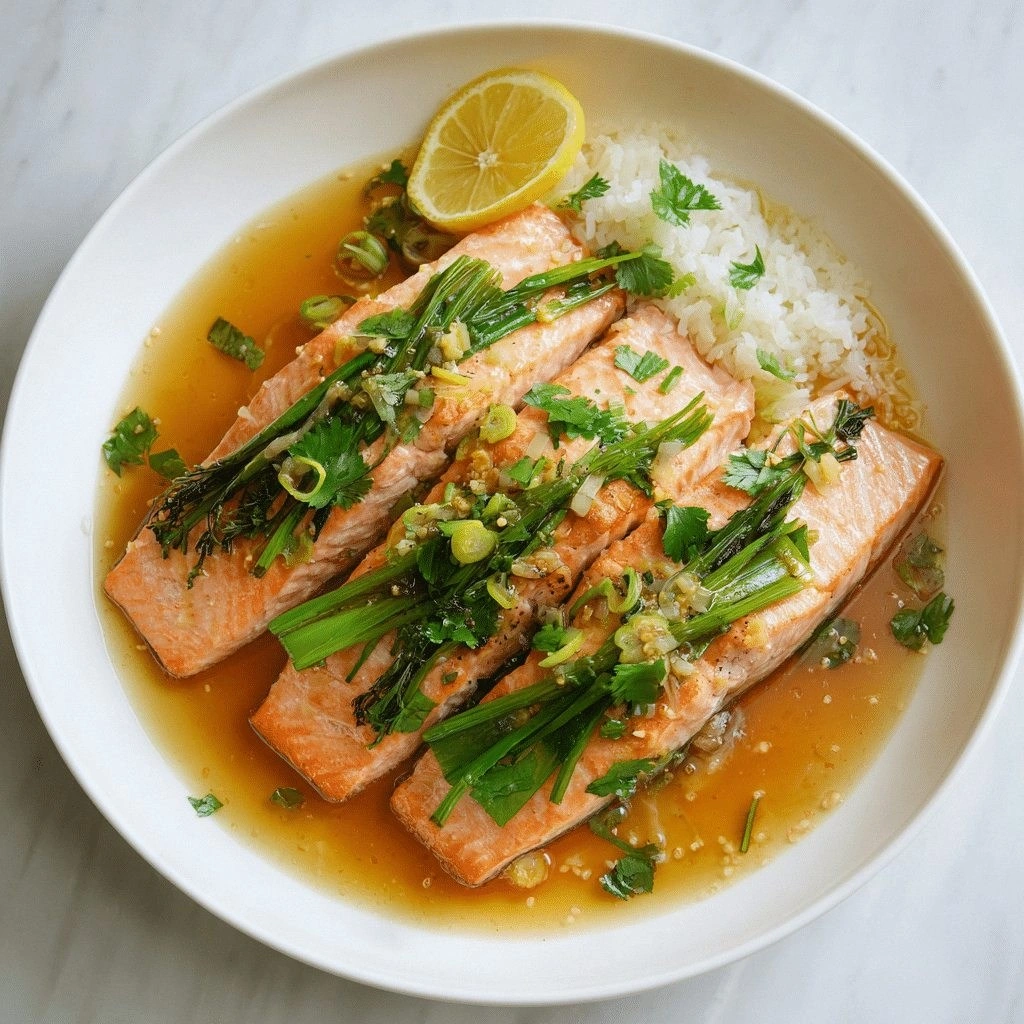
- Cover the steamer or pot with a lid and steam the salmon for 10 to 12 minutes, depending on thickness. The fish should flake easily with a fork, and the internal temperature should reach 145°F. A quick test is to press the thickest part; it should feel firm yet give slightly. This ensures the salmon stays moist.
- Remove the salmon from the steamer and arrange on a serving platter. Sprinkle the toasted sesame seeds and sliced scallions over the top. Add a final splash of rice vinegar to brighten the flavors. Serve immediately with steamed rice or a fresh salad.
That's it—you did it. But hold on, I've got a few more tricks that'll take this to another level...
Insider Tricks for Flawless Results
The Temperature Rule Nobody Follows
Maintain a steady steam: The key to a perfectly cooked salmon is a consistent, gentle steam. Avoid high heat that can cause the fish to dry out. If your steamer has a temperature control, set it to 200°F; if not, let the water simmer gently. This subtle heat keeps the flesh tender.
Why Your Nose Knows Best
Use aroma to gauge doneness: As the salmon steams, the scent of ginger and soy will become more pronounced. When the aroma peaks, the fish is ready. Trusting your nose is a quick, reliable method that eliminates guesswork. This trick saves you from overcooking.
The 5-Minute Rest That Changes Everything
Let it rest: After steaming, let the salmon sit for 5 minutes before cutting. This allows the juices to redistribute, keeping the fish moist. A quick rest also lets the sauce thicken slightly, enhancing flavor. Skipping this step can result in a dry bite.
The Right Garnish Timing
Finish with fresh herbs: Adding scallions and sesame seeds right before serving preserves their crunch and freshness. If you add them too early, they’ll wilt under steam. The contrast of textures elevates the dish. This small detail makes the dish feel polished.
The Sauce’s Secret Ingredient
Include a splash of fish stock: Replacing water with fish stock deepens the umami profile. The stock infuses the salmon with savory depth that plain water lacks. If you’re vegan, use vegetable stock; the flavor will still be rich. This tweak elevates the dish from good to unforgettable.
Creative Twists and Variations
This recipe is a playground. Here are some of my favorite ways to switch things up:
Coconut‑Infused Delight
Swap the water for coconut milk to give the salmon a tropical twist. The milk adds richness and a subtle sweetness that pairs well with ginger. Keep the ginger amount the same to maintain the spice. Serve over jasmine rice for a full‑blown island vibe.
Miso‑Glazed Surprise
Replace honey with miso paste for a savory, umami glaze. The miso adds depth and a slightly earthy undertone. Use a light miso for a subtle flavor or a dark miso for a richer profile. This version is great for a quick weeknight dinner.
Spicy Szechuan Kick
Add Szechuan peppercorns to the sauce for a numbing heat that complements the ginger. The peppercorns release a citrusy aroma when heated. Keep the chili flakes minimal to avoid overwhelming the fish. This variation is perfect for adventurous eaters.
Lemon‑Zest Zing
Finish the dish with a squeeze of fresh lemon juice and a sprinkle of lemon zest. The acidity brightens the flavors and balances the sweetness. Add the lemon at the very end to preserve its bright aroma. This version is ideal for spring or summer meals.
Herb‑Infused Freshness
Stir in chopped fresh cilantro or mint before serving. The herbs add a burst of green freshness that cuts through the richness. Use small amounts to avoid overpowering the delicate fish. This variation is great for a light, refreshing dinner.
Vegetarian Alternative
Use thick slices of tofu or tempeh instead of salmon for a plant‑based version. Marinate them in the same ginger‑soy sauce mixture for at least 30 minutes. Steam until the tofu is heated through and the tempeh is slightly browned. This version satisfies both pescatarians and vegans.
Storing and Bringing It Back to Life
Fridge Storage
Cool the salmon completely before refrigerating. Store in an airtight container or wrap tightly with foil. The dish stays fresh for up to 2 days. When you’re ready to eat, reheat gently in a steamer or microwave, adding a splash of water to keep it moist.
Freezer Friendly
For longer storage, freeze the salmon in a freezer‑safe bag or container. Remove any excess air to prevent freezer burn. The salmon can be kept for up to 3 months. Thaw overnight in the refrigerator before reheating.
Best Reheating Method
Reheat in a steamer or on the stove with a splash of water or broth. Keep the heat low and cover to trap steam. Add a teaspoon of sesame oil to restore the glossy finish. Serve immediately with fresh rice or salad.