
Chicken And Capers Skillet
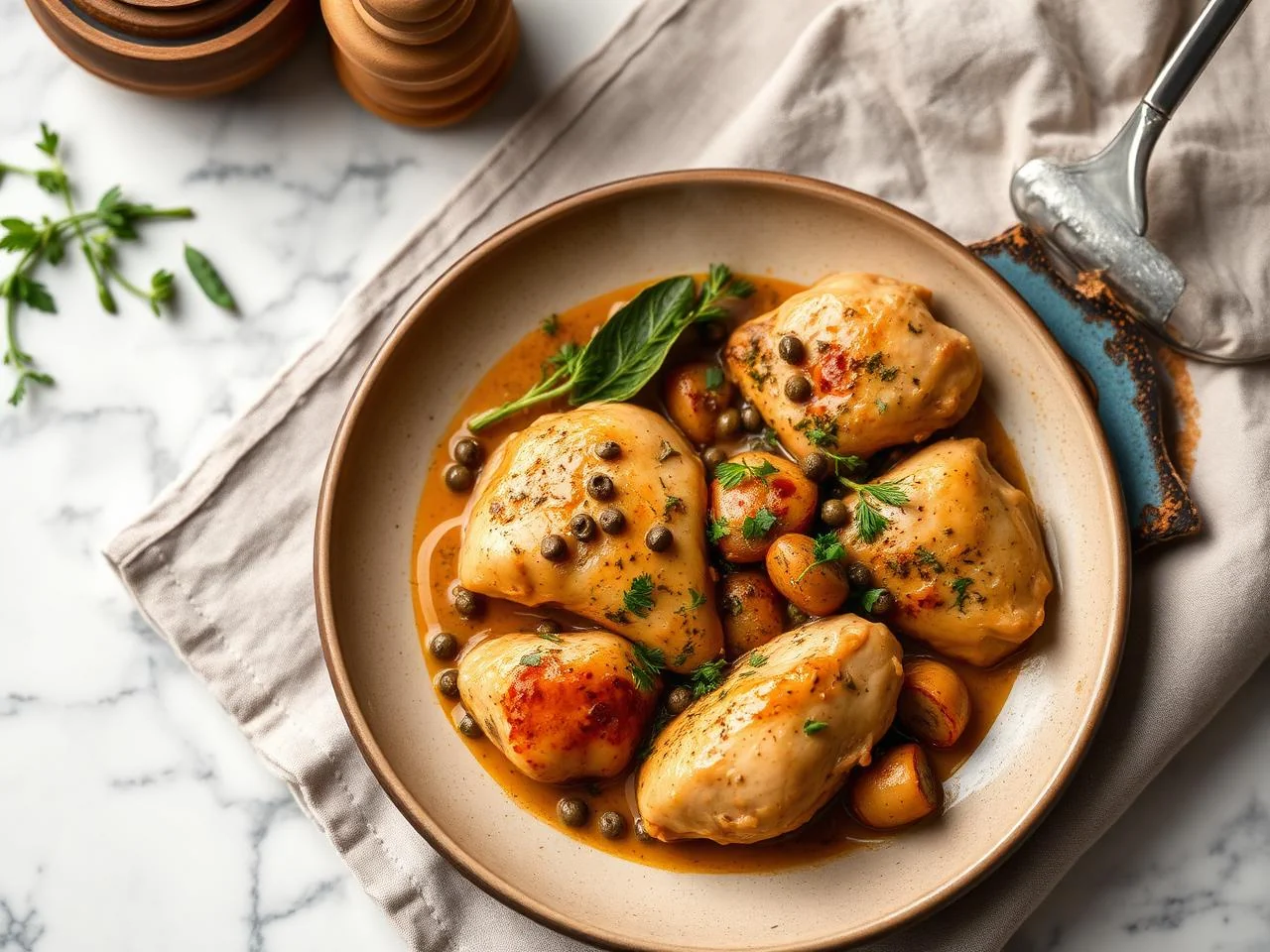
I still remember the first time I made a chicken and capers skillet for my family - the aroma that filled the kitchen, the flavors that danced on our plates, and the joy of sharing a homemade meal together. It was one of those moments that reminded me why I love cooking so much. This recipe is a staple in our household, and I'm excited to share it with you.
There's something special about cooking chicken in a skillet. The way the meat browns and crisps on the outside, while staying juicy and tender on the inside, is just magic. And when you add capers to the mix, you get a burst of salty, tangy flavor that elevates the dish to a whole new level.
This recipe is perfect for a weeknight dinner, as it's quick, easy, and requires minimal ingredients. You can serve it with your favorite sides, such as mashed potatoes, roasted vegetables, or a simple green salad. And the best part? It's a great way to get your family involved in the cooking process - my kids love helping me stir the skillet and watching the chicken cook to perfection.
So, if you're looking for a delicious and stress-free dinner idea, look no further than this chicken and capers skillet recipe. It's a classic for a reason, and I'm confident you'll love it just as much as we do.
In this recipe, I'll walk you through the steps to create a mouthwatering chicken and capers skillet that's sure to become a family favorite. From the initial prep work to the final presentation, I'll share my tips and tricks to ensure your dish turns out perfectly every time.
Why You’ll Love This Recipe
- This recipe is easy to make and requires minimal ingredients.
- It's a great way to get your family involved in the cooking process.
- The dish is perfect for a weeknight dinner, as it's quick and stress-free.
- The combination of chicken, capers, and skillet sauce is a classic and delicious flavor profile.
- You can serve it with your favorite sides, such as mashed potatoes or a simple green salad.
- The recipe is versatile and can be modified to suit your tastes and dietary preferences.
Why This Recipe Works
The key to a great chicken and capers skillet is in the cooking technique. By searing the chicken in a hot skillet, you create a crispy exterior that locks in the juices and flavors. Then, by adding the capers and sauce to the skillet, you create a rich and tangy flavor profile that complements the chicken perfectly.
Another important aspect of this recipe is the layering of flavors. By adding aromatics like garlic and onion to the skillet, you create a depth of flavor that enhances the overall dish. And by using a combination of chicken broth and lemon juice, you add a bright and citrusy note that cuts through the richness of the sauce.
Finally, the resting time is crucial in this recipe. By letting the chicken rest for a few minutes before serving, you allow the juices to redistribute and the meat to stay tender and juicy. This makes all the difference in the world, and it's a step that's often overlooked in other recipes.
Ingredients You’ll Need
When it comes to making a great chicken and capers skillet, the ingredients are just as important as the cooking technique. You'll need a few staple ingredients, such as chicken breasts, capers, garlic, and lemon juice, as well as some pantry staples like olive oil, salt, and pepper.
One of the most important ingredients in this recipe is the chicken. I recommend using boneless, skinless chicken breasts, as they cook evenly and stay tender. You'll also need some fresh capers, which add a salty, tangy flavor to the dish. Don't be afraid to experiment with different types of capers, such as nonpareil or surfine, to find the one that you like best.
- 1 lb (450g) chicken breasts, boneless and skinlessI recommend using fresh, never frozen chicken for the best flavor and texture. You can also use chicken thighs if you prefer, but be sure to adjust the cooking time accordingly.
- 1/4 cup (30g) capers, rinsed and drainedCapers are the star of the show in this recipe, so be sure to use high-quality ones. Look for capers that are packed in salt or vinegar, as they have a more complex flavor than those packed in water.
- 3 cloves garlic, mincedGarlic is a fundamental flavor component in many dishes, and this recipe is no exception. Be sure to mince the garlic finely, as it will cook quickly and add a depth of flavor to the sauce.
- 2 tbsp (30ml) olive oilOlive oil is a great choice for cooking the chicken and making the sauce, as it has a high smoke point and a rich, fruity flavor. Be sure to use a high-quality olive oil, as it will make a big difference in the final dish.
- 1 tsp (5g) dried thymeThyme is a classic herb that pairs well with chicken and capers. Be sure to use fresh thyme, as it has a more delicate flavor than dried thyme.
- 1/2 tsp (2g) saltSalt is essential for bringing out the flavors in the dish, so be sure to use a high-quality salt like kosher or sea salt.
- 1/4 tsp (1g) black pepperBlack pepper is a classic seasoning that adds depth and warmth to the dish. Be sure to use freshly ground black pepper, as it has a more complex flavor than pre-ground pepper.
- 2 tbsp (30ml) lemon juiceLemon juice is a great way to add a bright, citrusy flavor to the sauce. Be sure to use fresh lemon juice, as it has a more complex flavor than bottled juice.
- 1 cup (240ml) chicken brothChicken broth is a great way to add moisture and flavor to the sauce. Be sure to use a low-sodium broth, as it will help to balance out the flavors in the dish.
- 1 tbsp (15g) butterButter is a great way to add richness and flavor to the sauce. Be sure to use high-quality butter, as it will make a big difference in the final dish.
Equipment You’ll Need
How to Make Chicken And Capers Skillet
- 1Heat the olive oil in a large heavy skillet or wok over medium-high heat. Be sure to use a skillet that's large enough to hold the chicken and sauce, as you want to be able to cook everything in one pan.
- 2Add the chicken to the skillet and cook until browned on both sides, about 5-6 minutes per side. Be sure to cook the chicken to an internal temperature of 165 F (74 C), as this will ensure that it's safe to eat.
- 3Remove the chicken from the skillet and set it aside on a plate. Be sure to let the chicken rest for a few minutes, as this will help the juices to redistribute and the meat to stay tender.
- 4Add the garlic to the skillet and cook until fragrant, about 1 minute. Be sure to cook the garlic over medium heat, as you don't want it to burn or become bitter.
- 5Add the capers to the skillet and cook until they're fragrant and slightly browned, about 2-3 minutes. Be sure to stir the capers constantly, as they can burn easily.
- 6Add the thyme, salt, and pepper to the skillet and stir to combine. Be sure to use a wooden spoon or spatula to stir the sauce, as you don't want to scratch the bottom of the pan.
- 7Add the lemon juice and chicken broth to the skillet and stir to combine. Be sure to use a low-sodium broth, as this will help to balance out the flavors in the dish.
- 8Return the chicken to the skillet and spoon some of the sauce over the top of each breast. Be sure to use a spoon to baste the chicken, as you want to make sure that it's fully coated in the sauce.
- 9Reduce the heat to medium-low and simmer the sauce for about 10-15 minutes, or until it's thickened and the chicken is cooked through. Be sure to stir the sauce occasionally, as you don't want it to stick to the bottom of the pan.
- 10Stir in the butter until it's melted and the sauce is smooth. Be sure to use high-quality butter, as it will make a big difference in the final dish.
- 11Check the chicken with an instant-read thermometer to ensure it reaches 165 F (74 C) in the thickest part of the breast. This is a crucial step, as you want to make sure that the chicken is cooked to a safe internal temperature.
- 12Remove the skillet from the heat and let the chicken rest for a few minutes before slicing and serving. Be sure to let the chicken rest for at least 5-10 minutes, as this will help the juices to redistribute and the meat to stay tender.
- 13Slice the chicken and serve it with the sauce spooned over the top. Be sure to use a sharp knife to slice the chicken, as you want to make sure that it's sliced evenly and cleanly.
Expert Tips
- Be sure to use high-quality ingredients, as they will make a big difference in the final dish.
- Don't overcook the chicken, as it can become dry and tough. Instead, cook it until it's just done, and then let it rest for a few minutes.
- Use a large enough skillet to hold the chicken and sauce, as you want to be able to cook everything in one pan.
- Don't be afraid to experiment with different types of capers, as they can add a unique flavor to the dish.
- Let the chicken rest for at least 5-10 minutes before slicing and serving, as this will help the juices to redistribute and the meat to stay tender.
- Use a wooden spoon or spatula to stir the sauce, as you don't want to scratch the bottom of the pan.
- Stir the sauce occasionally, as you don't want it to stick to the bottom of the pan.
- Check the chicken with an instant-read thermometer to ensure it reaches 165 F (74 C) in the thickest part of the breast.
Common Mistakes to Avoid
- Overcooking the chicken, which can make it dry and tough.
- Not using high-quality ingredients, which can affect the flavor and texture of the dish.
- Not letting the chicken rest for a few minutes before slicing and serving, which can cause the juices to run out and the meat to become dry.
- Not stirring the sauce occasionally, which can cause it to stick to the bottom of the pan.
- Not checking the chicken with an instant-read thermometer, which can cause food safety issues.
- Using a skillet that's too small, which can cause the sauce to overflow and the chicken to become crowded.
Variations and Substitutions
- Using different types of capers, such as nonpareil or surfine, to add a unique flavor to the dish.
- Adding other ingredients to the sauce, such as diced onions or bell peppers, to add more flavor and texture.
- Using chicken thighs instead of breasts, which can add more flavor and moisture to the dish.
- Adding a sprinkle of grated cheese, such as parmesan or cheddar, to the top of the chicken before serving.
- Serving the dish with a side of roasted vegetables or mashed potatoes, which can add more flavor and texture to the meal.
- Using a different type of citrus, such as lime or orange, to add a unique flavor to the sauce.
- Adding a sprinkle of chopped fresh herbs, such as parsley or thyme, to the top of the chicken before serving.
What to Serve With Chicken And Capers Skillet
This chicken and capers skillet is a versatile dish that can be served with a variety of sides. Some ideas include roasted vegetables, mashed potatoes, or a simple green salad. You can also serve it with a side of crusty bread or over rice or pasta.
One of the best things about this recipe is that it's easy to customize to your tastes. You can add or subtract ingredients to suit your preferences, and you can also serve it with a variety of different sides. So don't be afraid to get creative and make the dish your own!
Make-Ahead, Storage, Freezing and Reheating
This chicken and capers skillet can be stored in the refrigerator for up to 3 days or frozen for up to 2 months. To reheat, simply thaw the dish overnight in the refrigerator and then reheat it in the skillet over medium heat until the chicken is warm and the sauce is bubbly.
It's also a great idea to make the sauce ahead of time and store it in the refrigerator for up to a week. This can be a big time-saver, as you can simply reheat the sauce and cook the chicken when you're ready to serve.
In addition, you can also make the dish ahead of time and refrigerate or freeze it until you're ready to serve. This can be a great option for meal prep or for cooking for a crowd. Simply reheat the dish and serve it hot, garnished with fresh herbs or a sprinkle of grated cheese.
When storing the dish, be sure to use airtight containers and label them with the date and contents. This will help you to keep track of how long the dish has been stored and ensure that it's safe to eat.
Frequently Asked Questions
What type of capers should I use?
You can use either nonpareil or surfine capers, depending on your personal preference. Nonpareil capers are smaller and have a more delicate flavor, while surfine capers are larger and have a more robust flavor.
Can I use chicken thighs instead of breasts?
Yes, you can use chicken thighs instead of breasts. Simply adjust the cooking time and temperature accordingly, as thighs take longer to cook than breasts.
How do I store the dish?
You can store the dish in the refrigerator for up to 3 days or freeze it for up to 2 months. To reheat, simply thaw the dish overnight in the refrigerator and then reheat it in the skillet over medium heat until the chicken is warm and the sauce is bubbly.
Can I make the sauce ahead of time?
Yes, you can make the sauce ahead of time and store it in the refrigerator for up to a week. Simply reheat the sauce and cook the chicken when you're ready to serve.
What type of citrus should I use?
You can use either lemon or lime juice, depending on your personal preference. Lemon juice has a more traditional flavor, while lime juice has a more unique and citrusy flavor.
Can I serve the dish with a side of rice or pasta?
Yes, you can serve the dish with a side of rice or pasta. Simply cook the rice or pasta according to the package instructions and serve it alongside the chicken and sauce.
How do I reheat the dish?
To reheat the dish, simply thaw it overnight in the refrigerator and then reheat it in the skillet over medium heat until the chicken is warm and the sauce is bubbly.
Can I make the dish ahead of time and refrigerate or freeze it?
Yes, you can make the dish ahead of time and refrigerate or freeze it until you're ready to serve. Simply reheat the dish and serve it hot, garnished with fresh herbs or a sprinkle of grated cheese.
Ingredients
- 1 lb (450g) chicken breasts, boneless and skinless
- 1/4 cup (30g) capers, rinsed and drained
- 3 cloves garlic, minced
- 2 tbsp (30ml) olive oil
- 1 tsp (5g) dried thyme
- 1/2 tsp (2g) salt
- 1/4 tsp (1g) black pepper
- 2 tbsp (30ml) lemon juice
- 1 cup (240ml) chicken broth
- 1 tbsp (15g) butter
Instructions
- Heat the olive oil in a large heavy skillet or wok over medium-high heat. Be sure to use a skillet that's large enough to hold the chicken and sauce, as you want to be able to cook everything in one pan.
- Add the chicken to the skillet and cook until browned on both sides, about 5-6 minutes per side. Be sure to cook the chicken to an internal temperature of 165 F (74 C), as this will ensure that it's safe to eat.
- Remove the chicken from the skillet and set it aside on a plate. Be sure to let the chicken rest for a few minutes, as this will help the juices to redistribute and the meat to stay tender.
- Add the garlic to the skillet and cook until fragrant, about 1 minute. Be sure to cook the garlic over medium heat, as you don't want it to burn or become bitter.
- Add the capers to the skillet and cook until they're fragrant and slightly browned, about 2-3 minutes. Be sure to stir the capers constantly, as they can burn easily.
- Add the thyme, salt, and pepper to the skillet and stir to combine. Be sure to use a wooden spoon or spatula to stir the sauce, as you don't want to scratch the bottom of the pan.
- Add the lemon juice and chicken broth to the skillet and stir to combine. Be sure to use a low-sodium broth, as this will help to balance out the flavors in the dish.
- Return the chicken to the skillet and spoon some of the sauce over the top of each breast. Be sure to use a spoon to baste the chicken, as you want to make sure that it's fully coated in the sauce.
- Reduce the heat to medium-low and simmer the sauce for about 10-15 minutes, or until it's thickened and the chicken is cooked through. Be sure to stir the sauce occasionally, as you don't want it to stick to the bottom of the pan.
- Stir in the butter until it's melted and the sauce is smooth. Be sure to use high-quality butter, as it will make a big difference in the final dish.
- Check the chicken with an instant-read thermometer to ensure it reaches 165 F (74 C) in the thickest part of the breast. This is a crucial step, as you want to make sure that the chicken is cooked to a safe internal temperature.
- Remove the skillet from the heat and let the chicken rest for a few minutes before slicing and serving. Be sure to let the chicken rest for at least 5-10 minutes, as this will help the juices to redistribute and the meat to stay tender.
- Slice the chicken and serve it with the sauce spooned over the top. Be sure to use a sharp knife to slice the chicken, as you want to make sure that it's sliced evenly and cleanly.